Why Mount Hunter Stands Out
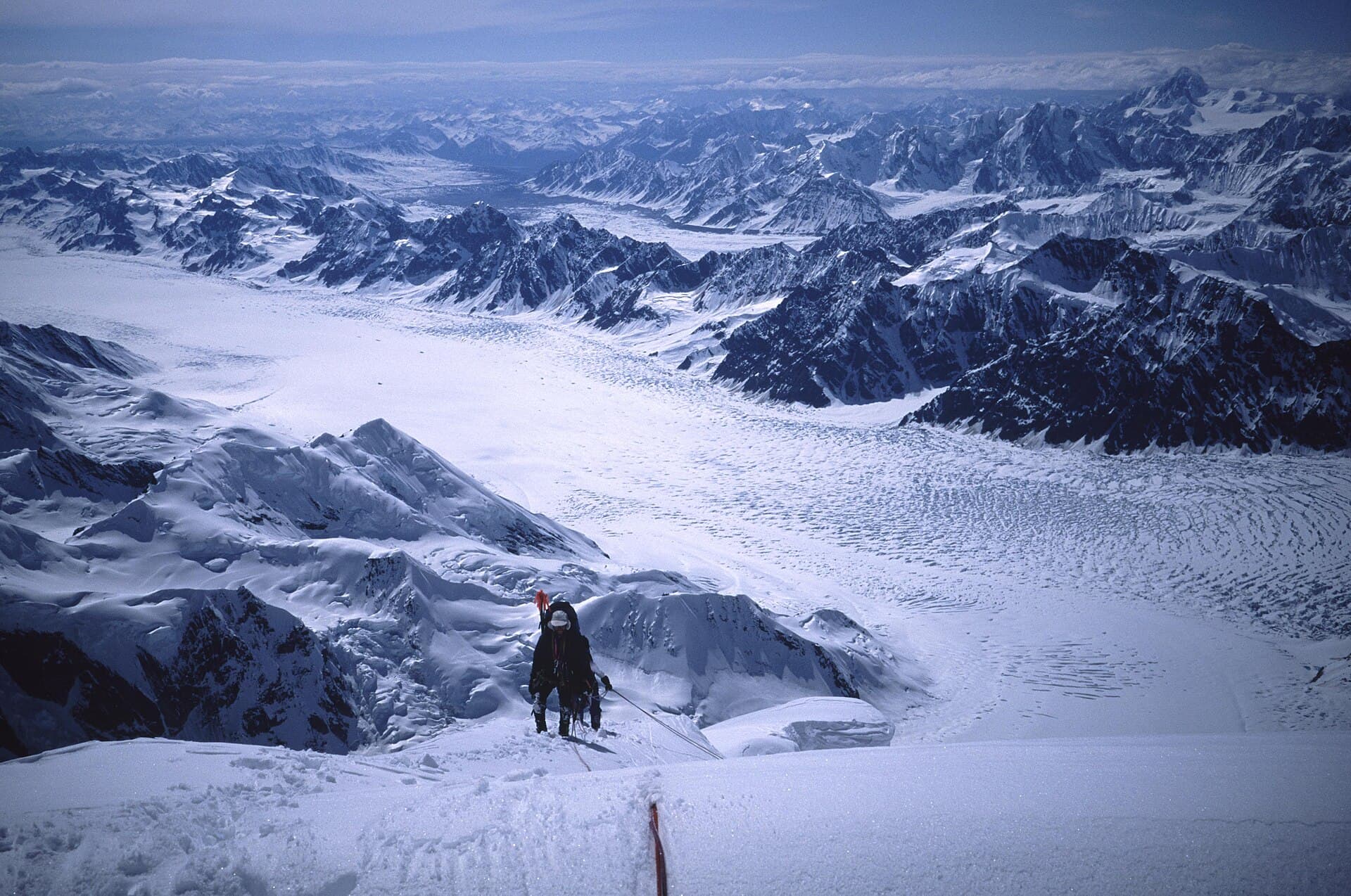
Mount Hunter rises dramatically in the Alaska Range, offering one of North America’s most technically demanding alpine experiences. Its steep granite faces and ice walls attract experienced mountaineers seeking serious challenge amid vast glacial landscapes. The mountain’s isolation and scale provide unmatched views of the surrounding tundra and peaks, making it a highlight for those venturing into remote Alaska wilderness.
Getting There
Access begins with a flight to Anchorage, followed by travel to Talkeetna, the gateway community for Denali-area expeditions. From Talkeetna, small aircraft provide flightseeing tours or transport climbers to base camps on the Kahiltna Glacier. No roads reach the mountain directly, so air travel is essential for reaching the surrounding park lands managed by the National Park Service.
Best Time to Visit
The prime window runs from late spring through early fall when daylight is long and temperatures allow for technical climbing and glacier travel. Winter visits are possible only for highly prepared teams equipped for extreme cold and short days. Conditions change rapidly, so monitoring weather forecasts from local aviation services remains critical throughout any trip.
Activities and Experiences
Climbing routes range from the technical West Ridge to more committing south face ascents, all requiring prior glacier travel skills and crevasse rescue knowledge. Non-climbers enjoy scenic flights that circle the peak for close-up views of hanging glaciers and seracs. Hiking opportunities exist on lower trails near the park entrance, while wildlife viewing for caribou, bears, and Dall sheep adds to the experience in the surrounding foothills.
Nearby Destinations
Denali itself dominates the horizon to the north, offering additional climbing and viewing options within the same national park. The historic town of Talkeetna provides river rafting on the Susitna and cultural insights into Alaska bush life. Further south, the Matanuska Valley features agricultural scenery and easy day hikes contrasting the high-alpine terrain.
- Pack essential mountaineering gear including ice axes, crampons, and ropes even for shorter approaches.
- Obtain necessary permits through the National Park Service well in advance of travel.
- Choose reputable air taxi operators familiar with glacier landings for safe access.