Keep reading
Nearby & related

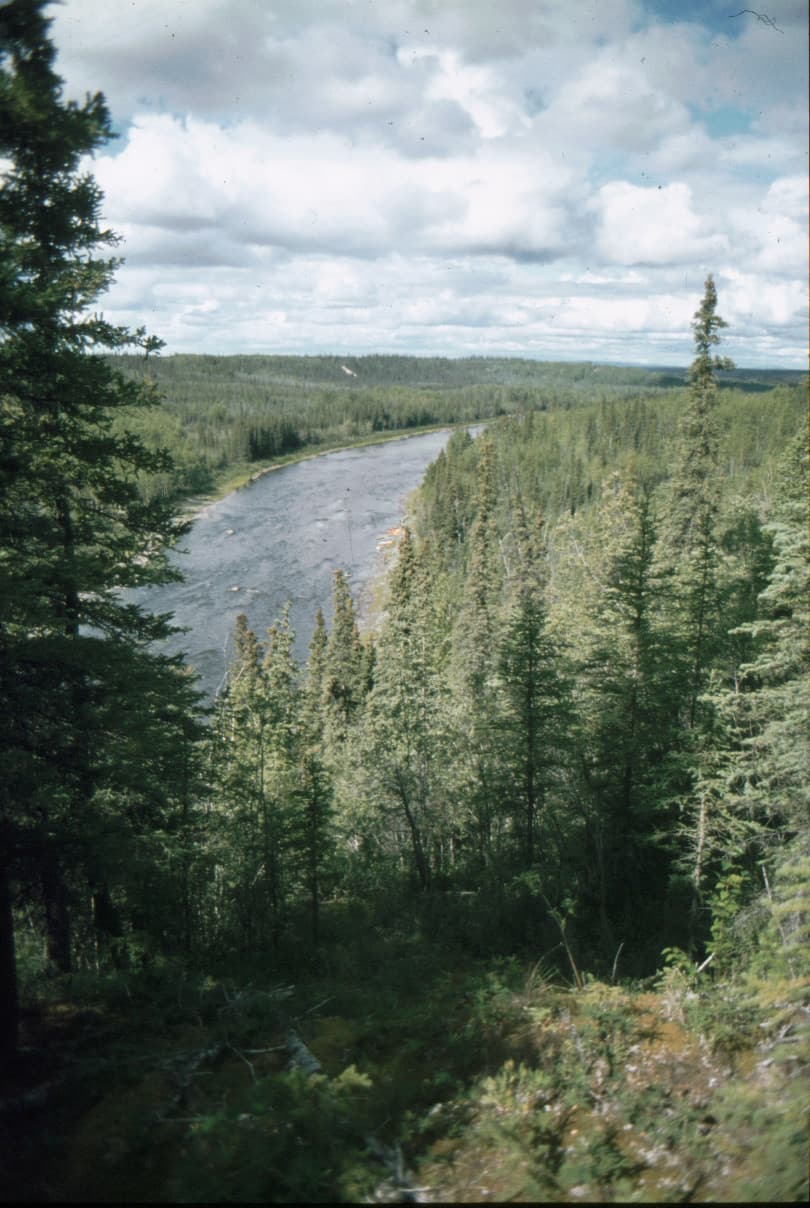
Tanana River: Paddling Alaska’s Wild Interior Waterway
Experience the remote wilderness, salmon runs, and Athabascan heritage along one of Alaska’s longest free-flowing…

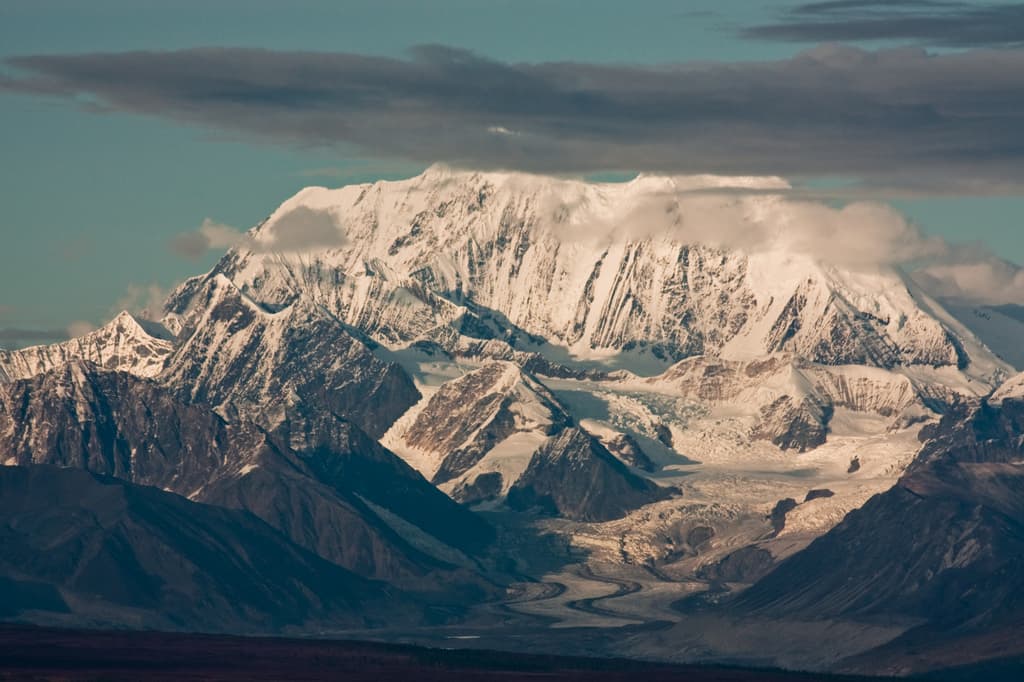
Experience the wild isolation and dramatic alpine terrain of Mount Hayes in Alaska's interior.
Mount Hayes rises as a prominent summit in the Hayes Range, offering visitors a true sense of Alaska’s vast, roadless wilderness. Its location in the Southeast Fairbanks Census Area places it amid glaciated valleys and tundra that support caribou, Dall sheep, and grizzly bears. The mountain rewards those who seek solitude rather than crowded trails, with sweeping views across the eastern Alaska Range toward distant peaks and river corridors.
Access begins with a flight into Fairbanks International Airport. From there, travelers typically arrange air taxi service from nearby airstrips such as Delta Junction or Healy to reach gravel bars or lakes near the mountain’s base. Some experienced parties drive the Alaska Highway to remote trailheads then continue on foot or by packraft across braided rivers. No maintained roads lead directly to the peak, so self-sufficiency with navigation and weather monitoring is essential.
June through early September offers the longest daylight and firmest snow conditions for travel. Earlier in the season, lingering snow bridges simplify river crossings, while late summer brings wildflowers and more stable rock. Winter visits demand advanced mountaineering skills and cold-weather expertise, as temperatures drop sharply and daylight shrinks to a few hours.
The Delta River corridor to the south provides additional rafting and fishing options. The Black Rapids Glacier area offers easier day hikes with striking ice formations. Travelers often combine a Mount Hayes trip with visits to the Alaska Range’s eastern foothills near Paxson for additional scenic drives and hot springs.
The peak demands strong backcountry skills; most routes involve glacier travel, route-finding, and multi-day commitments suitable for experienced climbers.
No maintained trails exist; visitors rely on natural drainages, ridgelines, and map-and-compass navigation across unmarked terrain.
No special climbing permits are required, but visitors should check current Bureau of Land Management or state land rules for camping and air access.
It is possible but lengthy; parties hike or raft from distant highway pullouts, adding several days of travel each way.
Store food away from camp, travel in groups, and be alert near berry patches and riverbanks where bears forage.
Keep reading

Experience the remote wilderness, salmon runs, and Athabascan heritage along one of Alaska’s longest free-flowing…