Why the Delta River Draws Visitors
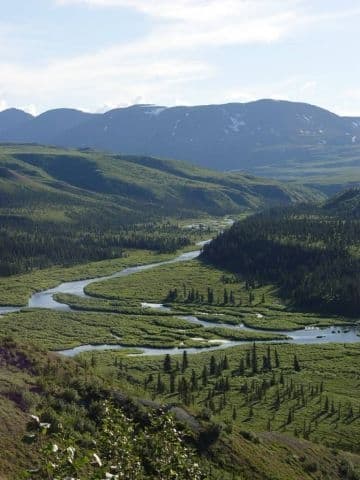
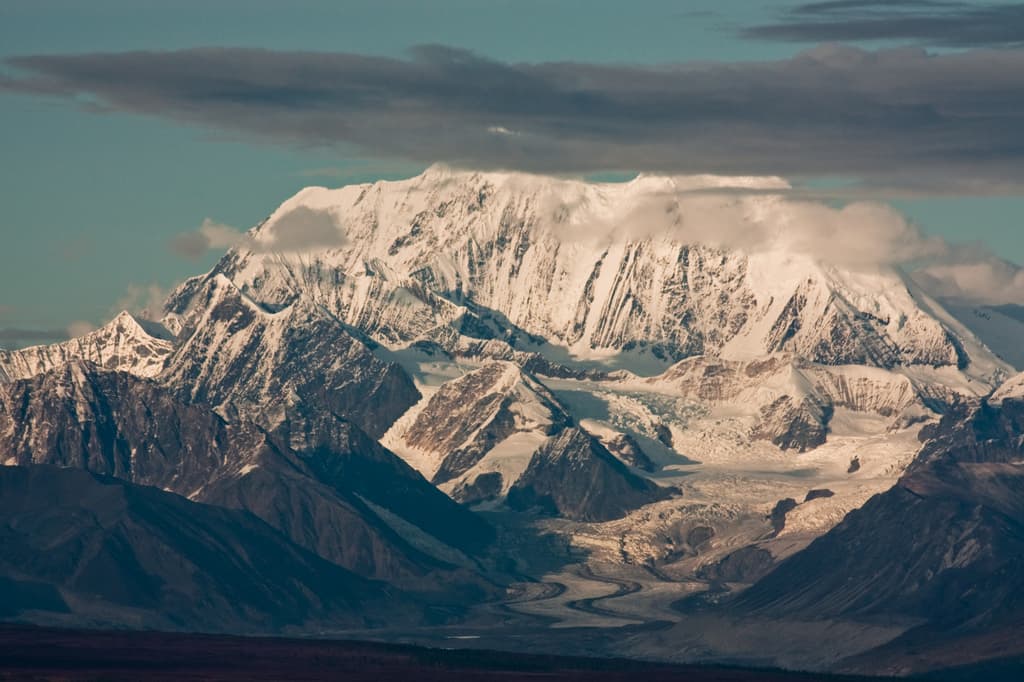
The Delta River begins at glaciers in the Amphitheater Mountains and flows northward for roughly 80 miles to join the Tanana River at Delta Junction. Its turquoise water, braided channels, and frequent views of snow-capped peaks make it one of the more accessible yet still remote rivers in Alaska’s Interior. Travelers on the Richardson Highway follow the river for long stretches, turning the drive itself into a scenic introduction to the landscape.
Getting There
Most visitors reach the Delta River by road. From Fairbanks, the drive south on the Richardson Highway takes about two hours to Delta Junction, where the river meets the highway. From Anchorage, the route via the Glenn Highway and Tok Cutoff is longer but scenic. Once at Delta Junction, the river is visible from multiple pullouts heading south toward Paxson. No formal shuttle services operate regularly; most people use personal vehicles or arrange drop-offs with local outfitters for multi-day floats.
Things to Do on the Delta River
Fishing
The river supports runs of king and chum salmon in summer, plus resident Arctic grayling and Dolly Varden. Popular access points lie near the Clearwater Mountains and at several highway bridges. Anglers wade the braided channels or drift from small boats. Always check current Alaska Department of Fish and Game regulations before casting.
Paddling and Rafting
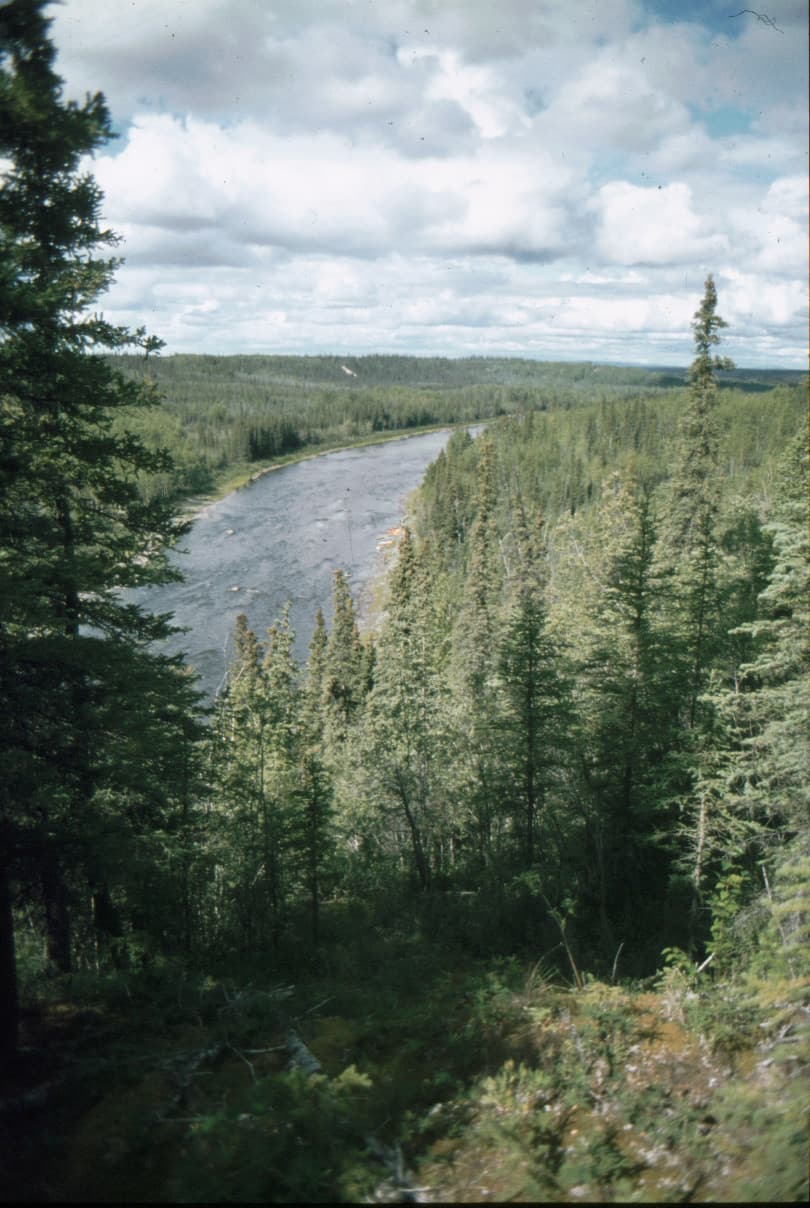
Most of the Delta River offers Class II to III water suitable for experienced paddlers. The upper section from near Paxson to the Richardson Highway bridge provides a full day’s float through canyon scenery with occasional rapids. Lower reaches are gentler and good for wildlife viewing from the water. Commercial raft trips are limited; independent boaters should scout put-ins and take-outs carefully.
Wildlife and Scenery
Moose, black bears, and migratory birds frequent the river corridor. Early morning or evening floats increase sighting chances. The surrounding tundra and spruce forest turn brilliant gold in September, offering excellent photography from roadside overlooks.
Best Time to Visit
June through early September brings the longest days, warmest temperatures, and active salmon runs. July and August see peak insect activity, so bug protection is essential. September offers fewer bugs and fall colors but shorter days and possible early snow at higher elevations. Winter travel is possible by snowmobile or ski but requires specialized preparation and local knowledge.
Nearby Attractions
- Delta Junction offers the Delta State Recreation Area for camping and the Big Delta State Historical Park.
- The Alaska Range rises dramatically to the south; clear days may reveal distant peaks of the Wrangell Mountains.
- Paxson Lake and the Gulkana River provide additional fishing and paddling options a short drive farther south.