Skip to content
Plan & Tour
DestinationsItinerariesTravel BlogAboutContact
0Sign inPlan a trip
Plan & TourPlan & Tour

Travel guides, destination inspiration and curated itineraries for Canada, the USA and beyond, plus a free tool to plan your own day-by-day trip.

Get travel inspiration

Explore

  • All Destinations
  • Curated Itineraries
  • Travel Blog
  • Plan a Trip

Topics

  • Hiking & Nature
  • Food & Drink
  • City Breaks
  • Budget Travel

Company

  • About Us
  • Contact
  • Privacy Policy
  • Terms of Service

© 2026 Plan & Tour. Built for travellers.

Discover the world, one trip at a time.

Mount Dutton: Hiking Alaska’s Remote Volcanic Peak
  1. Home
  2. Destinations
  3. Alaska
  4. Mount Dutton: Hiking Alaska’s Remote Volcanic Peak
Mountain

Mount Dutton: Hiking Alaska’s Remote Volcanic Peak

A guide to reaching and exploring the rugged summit of Mount Dutton on the Alaska Peninsula.

AlaskaUpdated 14 August 2026

Why Mount Dutton Stands Out

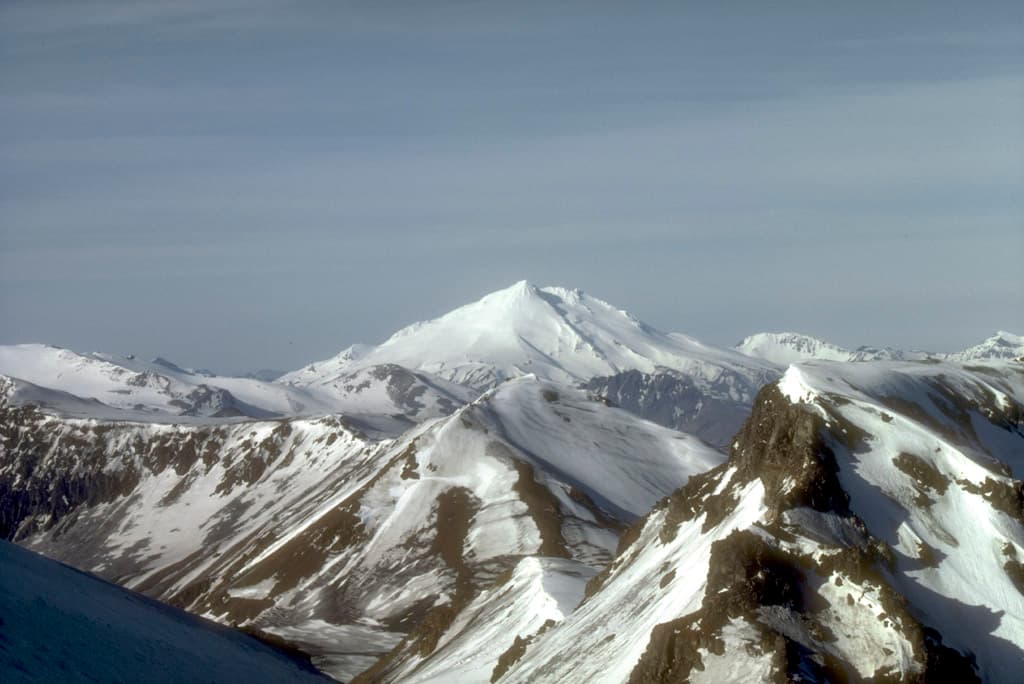
Mount Dutton rises as a prominent stratovolcano on the Alaska Peninsula, offering hikers and climbers a true wilderness experience far from crowds. Its steep slopes, glacial remnants, and sweeping views across the Bering Sea and nearby peaks reward those who make the journey. The mountain’s isolation preserves pristine tundra, wildflower meadows in summer, and opportunities to spot caribou, bears, and seabirds without the infrastructure of more famous Alaskan destinations.

Getting to Mount Dutton

Access begins with a flight to Cold Bay, the nearest community with scheduled air service from Anchorage. From there, travelers arrange boat transport across Izembek Lagoon or a helicopter drop closer to the mountain’s base. No maintained trails lead to the summit, so navigation relies on topographic maps, GPS, and clear weather windows. The final approach involves scrambling over loose volcanic rock and crossing seasonal snowfields.

Best Time to Visit

July through early September provides the longest daylight, driest conditions, and lowest chance of whiteout storms. Earlier in the season, lingering snow can make routes impassable, while fall brings shorter days and stronger winds. Volcanic monitoring remains active year-round, though eruptions are infrequent.

Activities on and Around the Mountain

Strong hikers can attempt the full ascent, which typically requires two to three days round-trip from a base camp near the tree line. The reward is a 360-degree panorama that includes the dramatic cone of Pavlof Volcano to the northeast. Lower slopes offer day hikes through lupine fields and along streams teeming with salmon. Wildlife viewing is excellent; brown bears frequent the valleys, and seabird colonies thrive along the coast.

Photography and Nature Study

The combination of volcanic geology, coastal light, and changing weather creates dramatic images at any hour. Photographers should plan for both golden-hour summit shots and close-ups of alpine flora. Birders will find nesting puffins and kittiwakes visible from ridges overlooking the lagoon.

Nearby Destinations

After a Mount Dutton trip, many visitors explore Izembek National Wildlife Refuge for its famous eelgrass beds and migratory waterfowl. Short flights or boat rides also reach the fishing community of King Cove or the hot springs near the village of False Pass. These extensions turn a mountain-focused journey into a broader introduction to the eastern Aleutians.

Visitor tips

  • File a detailed trip plan with local authorities or your outfitter, as cell service is nonexistent and weather can strand parties for days.
  • Carry bear-resistant food containers and know how to store gear properly; brown bears are active on the lower slopes throughout summer.
  • Bring extra fuel, a satellite communicator, and layers for temperatures that can drop below freezing even in midsummer.

Frequently asked questions

How difficult is climbing Mount Dutton?+

The route involves off-trail hiking and scrambling on loose scree with significant elevation gain; it is suitable only for experienced, fit backpackers comfortable with route-finding.

Do I need a guide for Mount Dutton?+

A guide is strongly recommended for first-time visitors because of the lack of trails, rapidly changing weather, and potential volcanic hazards.

Is Mount Dutton currently active?+

The volcano is monitored by the Alaska Volcano Observatory; check current alerts before travel, though it has not produced major eruptions in recent decades.

What wildlife might I encounter?+

Brown bears, caribou, foxes, and numerous seabirds are common; maintain proper food storage and keep a safe distance from all animals.

Can I camp on the mountain?+

Dispersed camping is allowed on public lands, but choose sites well above the tide line and away from bear travel corridors; pack out all waste.

Share
Google Maps Apple Maps Directions

Image: Public domain · via Wikimedia Commons

Keep reading

Nearby & related

All stories
Mount Chamberlin: A Remote Wilderness Peak in Alaska’s Arctic Refuge
Alaska

Mount Chamberlin: A Remote Wilderness Peak in Alaska’s Arctic Refuge

Discover hiking, wildlife, and solitude on this high Brooks Range summit deep inside the Arctic National Wildlife…

14 August 2026
Devils Thumb: Alaska’s Remote Granite Icon in the Stikine Icecap
Alaska

Devils Thumb: Alaska’s Remote Granite Icon in the Stikine Icecap

This striking 9,077-foot spire draws experienced climbers to its sheer walls amid Alaska’s vast icefields.

14 August 2026
Mount Recheshnoi: Hiking Alaska’s Remote Aleutian Volcano on Umnak Island
Alaska

Mount Recheshnoi: Hiking Alaska’s Remote Aleutian Volcano on Umnak Island

A guide to exploring the rugged volcanic terrain, wildlife, and isolation of Mount Recheshnoi in Alaska’s Aleutian…

14 August 2026