
Keep reading
Nearby & related
Aleutians West Census Area
Hammerhead Island: Remote Wilderness in Alaska’s Aleutian Chain
Experience the raw, windswept isolation and abundant marine wildlife of this uninhabited Aleutian island.
16 August 2026
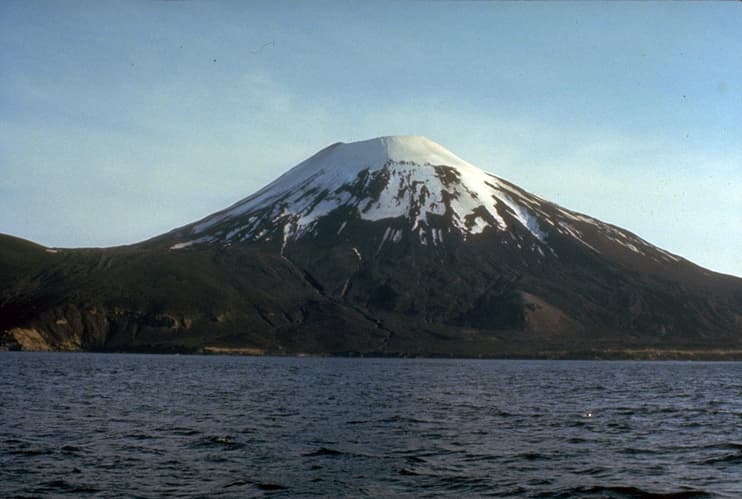
An isolated stratovolcano offering dramatic landscapes and true wilderness for experienced adventurers.
Mount Amukta rises sharply from the North Pacific as a classic cone-shaped stratovolcano in the central Aleutian chain. Its steep flanks, frequent cloud cover, and lack of any facilities create a raw, untouched setting that rewards those who reach it with sweeping ocean views and a genuine sense of isolation. The mountain sits within the Alaska Maritime National Wildlife Refuge, where seabird colonies, sea otters, and occasional marine mammals add life to the volcanic terrain.
Access begins with flights to Dutch Harbor or Adak, the nearest reliable airports served from Anchorage. From there, visitors arrange boat charters or small-plane transfers to reach Amukta Island itself; no roads or regular transport exist. Travelers should expect multi-day logistics and weather-dependent schedules, as the surrounding waters are exposed and often rough.
Activities center on hiking the lower slopes and coastal benches for close views of lava flows and crater rim perspectives when conditions allow. Photographers capture the contrast between dark volcanic rock and the bright North Pacific. Birders scan cliffs for nesting auklets and puffins, while those with proper permits may explore intertidal zones at low tide. Overnight camping requires full self-sufficiency, including bear-safe food storage.
July and August offer the longest daylight and mildest temperatures, though fog and sudden storms remain common. Shoulder months of June and September can provide clearer volcanic views but bring higher chances of rain and wind. Winter visits are impractical due to darkness, ice, and lack of rescue options.
Chagulak Island lies to the east and Yunaska to the west; both host additional volcanic features and seabird colonies. Some charters continue to the Islands of Four Mountains group for multi-day itineraries combining several remote peaks and bays.
Keep reading
Experience the raw, windswept isolation and abundant marine wildlife of this uninhabited Aleutian island.
No. The island offers no trails, shelters, or rescue services, so only experienced backcountry travelers with strong navigation and self-reliance skills should attempt a visit.
Yes. Portions fall within the Alaska Maritime National Wildlife Refuge; check current refuge regulations and obtain any required permits before travel.
Seabirds nest on the cliffs, sea otters frequent nearshore waters, and Steller sea lions haul out on rocks; maintain distance and follow wildlife-viewing guidelines.
Most visitors allow at least three to five days to account for weather delays on arrival and departure plus time for exploration.
There are none. Campers must be entirely self-sufficient with food, shelter, fuel, and waste management.
Discover the untouched landscapes, seabird colonies, and wartime relics of this isolated island in Alaska’s Aleutian…
This isolated island in the central Aleutians delivers raw volcanic landscapes, seabird colonies, and true frontier…