Why Monte Prena Rewards Visitors
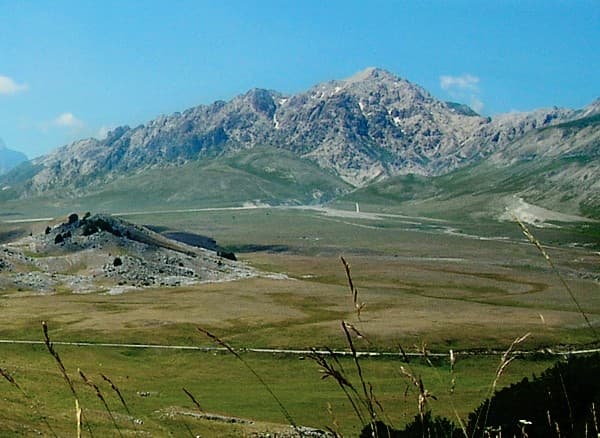
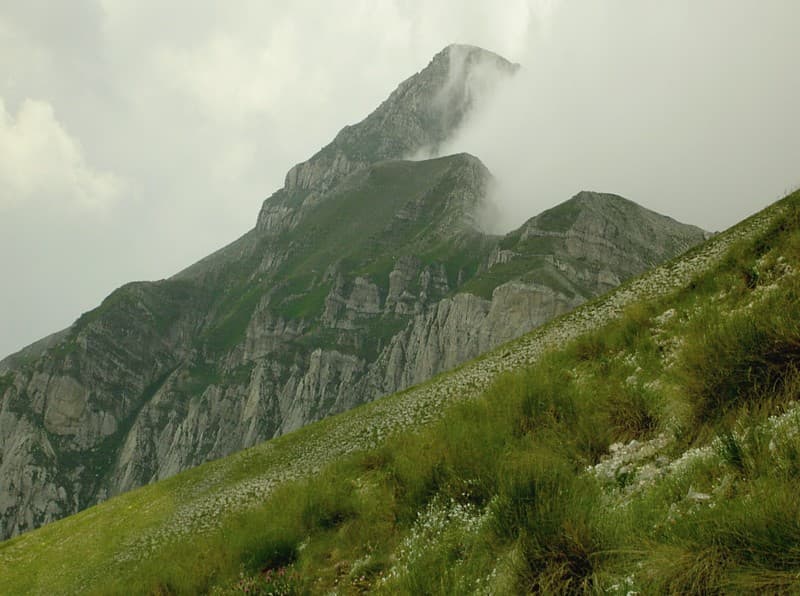
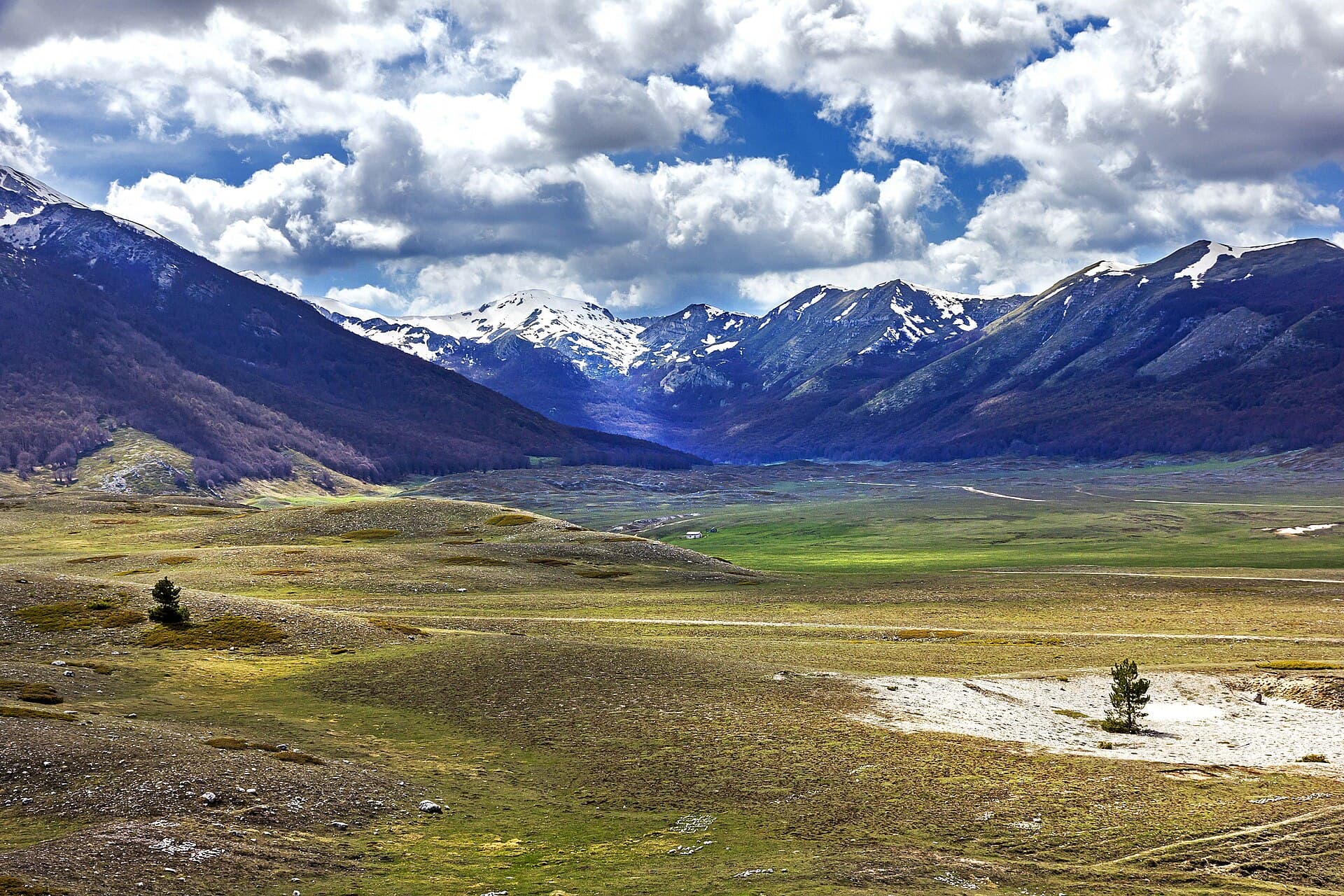
Monte Prena rises as one of the prominent limestone peaks on the southern flank of the Gran Sasso massif. Its steep, pale rock faces and high plateaus offer hikers a sense of wild isolation within easy reach of the Aterno valley. The mountain sits inside Parco Nazionale del Gran Sasso e Monti della Laga, protecting rich biodiversity and dramatic karst scenery that changes with every season.
Getting There
Most visitors approach from the A24 motorway, exiting at Assergi or Fonte Cerreto and continuing on secondary roads toward the village of Castelli or the Campo Imperatore plateau. From trailheads near these points, marked paths climb steadily through beech woods before emerging onto open slopes. Public transport reaches nearby towns, yet a car or arranged shuttle remains the most practical option for carrying gear and returning the same day.
Best Time to Visit
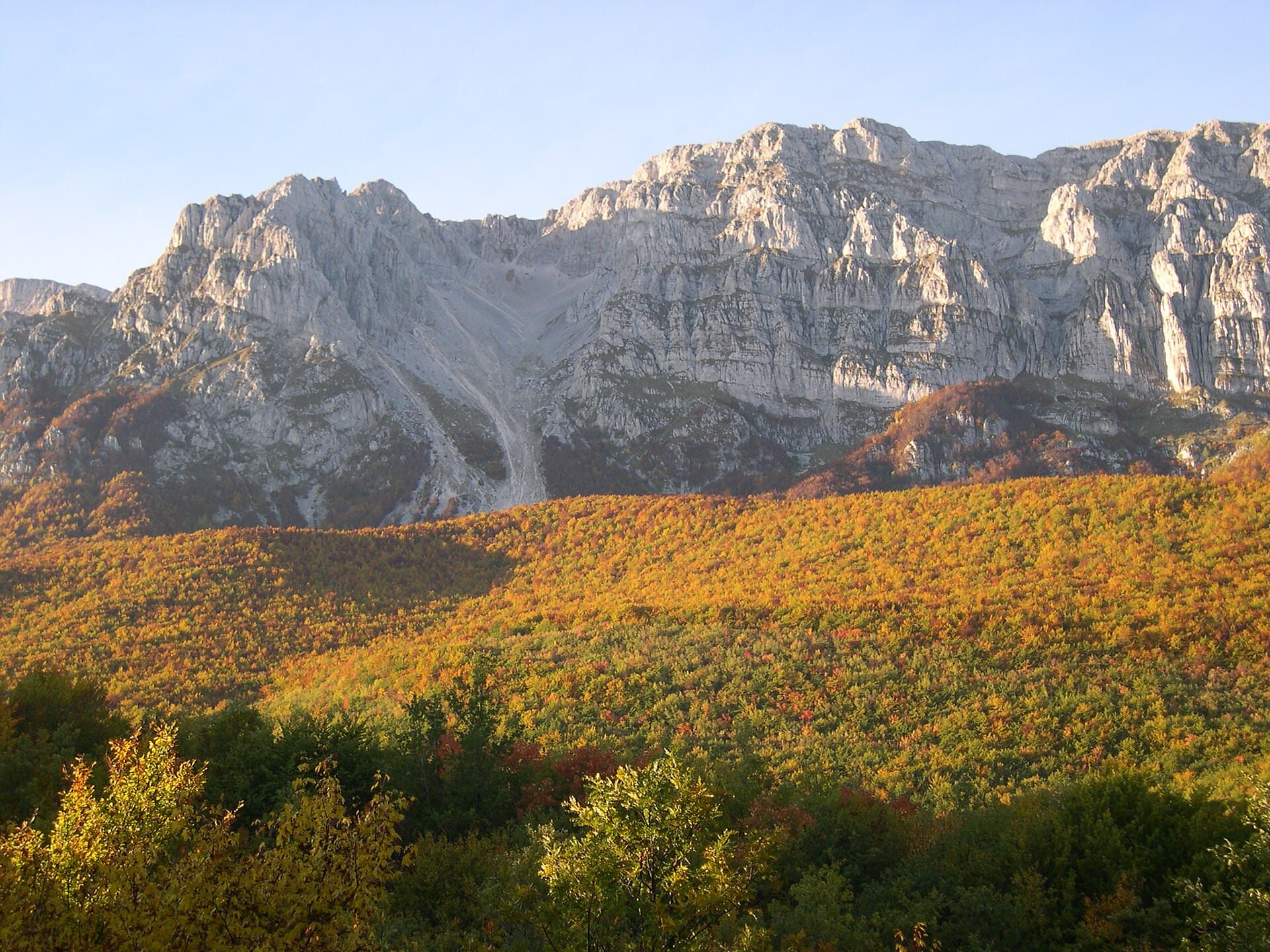
Late spring through early autumn provides the longest window of stable weather for ridge walking. Snow lingers on north-facing couloirs well into June, while July and August bring hot afternoons that reward early starts. September and October often deliver clear skies and fewer visitors, with the added color of turning beech forests on lower slopes. Winter ascents require mountaineering equipment and local knowledge of avalanche risk.
What to See and Do
The classic route follows the southeast ridge, passing through narrow gullies and broad ledges that reveal distant views of Corno Grande and the Maiella massif. On clear days the Adriatic Sea shimmers on the horizon. Birdwatchers may spot golden eagles and choughs riding thermals above the cliffs. Photographers favor the contrast between white limestone and the deep green of surrounding valleys. Shorter loops around the base allow families to enjoy the same scenery without committing to the full summit push.
Nearby Attractions
After descending, many travelers continue to the medieval hill town of Castelli, known for its centuries-old ceramics tradition. The ruins of Rocca Calascio stand a short drive south, while the high plain of Campo Imperatore offers additional trails and the historic Albergo di Campo Imperatore. L’Aquila, the regional capital, lies less than an hour away and provides museums and restaurants for extending the day.