Why Monte Corvo Stands Out
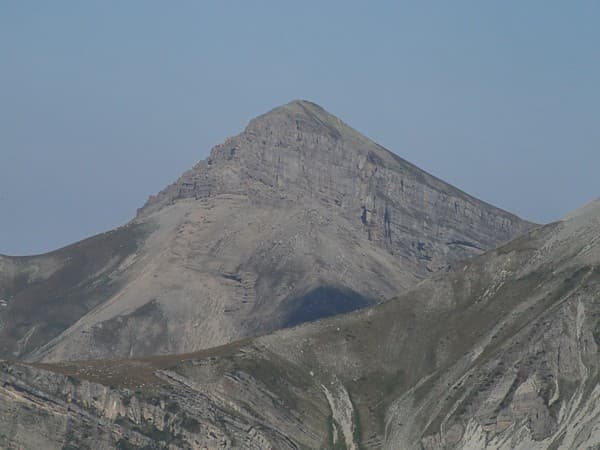
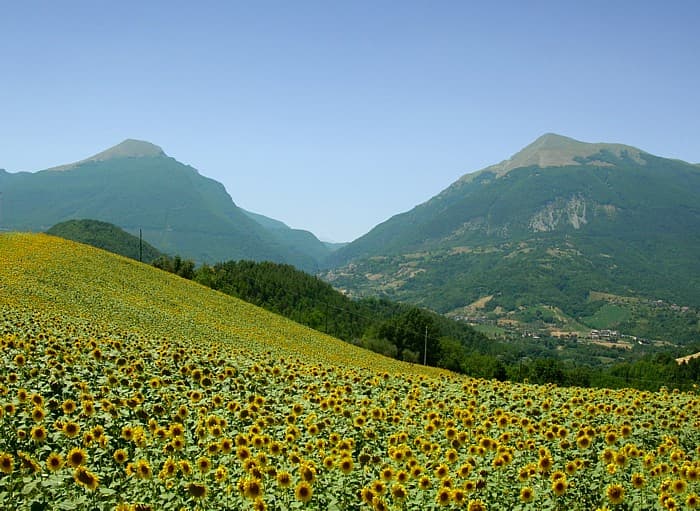
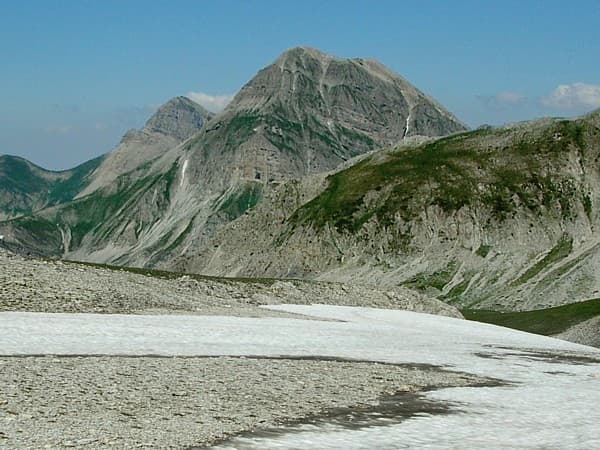
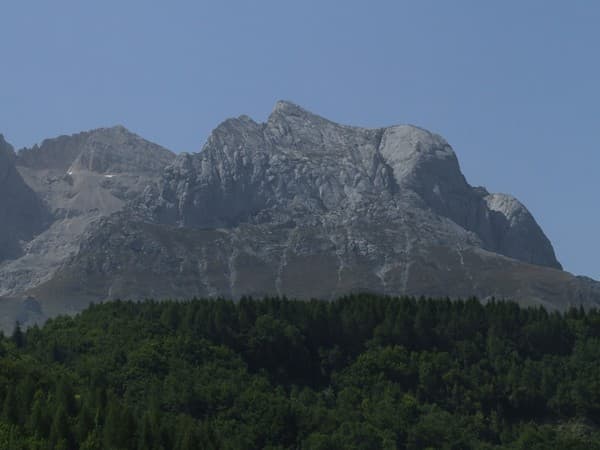
Monte Corvo rises as one of the principal summits of the Monti della Laga range inside Abruzzo’s Gran Sasso e Monti della Laga National Park. Its broad, rounded profile contrasts with the sharper limestone peaks of the Gran Sasso massif to the south, offering hikers a quieter alternative with expansive 360-degree panoramas that stretch from the Adriatic coast to the highest Apennine ridges.
Trails and What to Expect
The standard route begins near the hamlet of Ceppo above Pietracamela and follows old shepherds’ paths through mixed beech and fir woodland before emerging onto open slopes. The final section crosses stony ground to the broad summit plateau marked by a large cairn. Most walkers complete the round trip in six to eight hours; the terrain is steep in places but does not require technical climbing. In early summer the upper meadows are carpeted with wildflowers, while autumn brings vivid beech color and fewer visitors.
Wildlife and Landscape
Golden eagles nest on nearby cliffs, and red deer are often seen at dawn in the valleys. The mountain’s geology of sandstone and marl creates a softer relief than the neighboring limestone massifs, resulting in gentler ridge walks and seasonal springs that feed small tarns.
Getting There
From Teramo, the nearest major town, drivers follow the SS80 toward Montorio al Vomano then take the winding SP491 toward Pietracamela and Ceppo. Public transport reaches Pietracamela; from there a taxi or pre-arranged lift covers the final gravel section. The nearest airports are Rome Fiumicino (about two hours by car) and Pescara (roughly 90 minutes).
Best Time to Visit
Late May through early October provides the most reliable conditions for hiking. Snow can linger into June on north-facing slopes and returns by November; winter ascents require mountaineering experience and proper gear. July and August bring warm days but occasional thunderstorms in the afternoon, so early starts are advisable.
Nearby Attractions
After a summit day, visitors often continue to the high pastures around Lake Campotosto for birdwatching or drive the scenic road to the medieval village of Santo Stefano di Sessanio. The historic center of Teramo offers Roman ruins and a Gothic cathedral for a cultural contrast to the mountain wilderness.