Why Corno Piccolo Stands Out
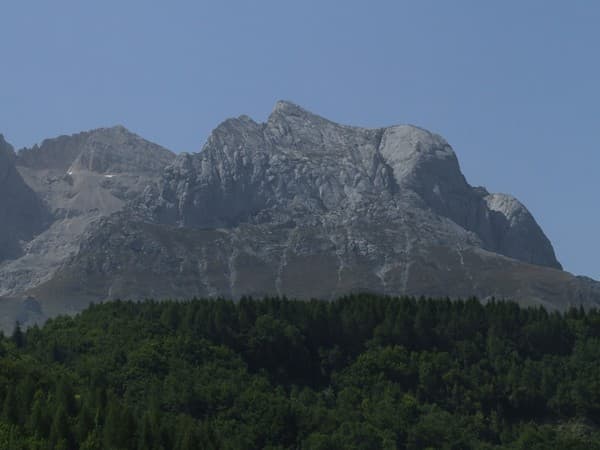
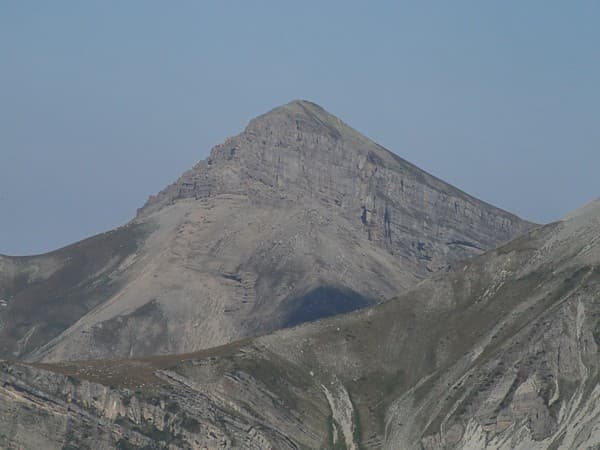
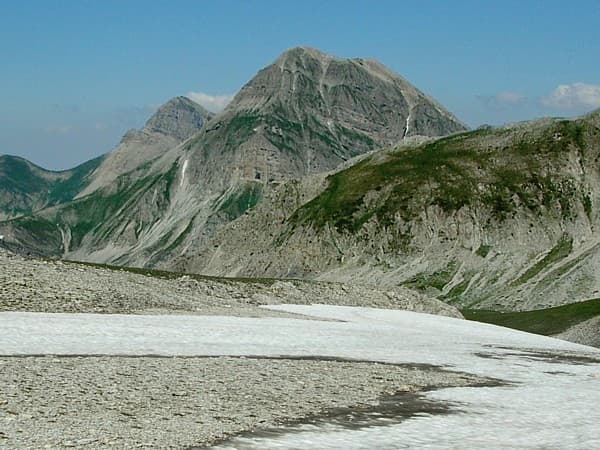
Corno Piccolo rises sharply within the Gran Sasso massif, its jagged limestone ridges contrasting with the gentler slopes of surrounding plateaus. At 2,655 meters it ranks as the second-highest summit after Corno Grande, yet its compact shape and exposed rock faces give it a more alpine character than many neighboring peaks. Hikers and climbers are drawn by the clear sightlines across the Campo Imperatore plain and distant Adriatic coast on clear days.
Reaching the Trailheads
The most common starting points lie on the northern flank of the massif. From the Province of Teramo, follow winding roads through Pietracamela to Prati di Tivo, where parking areas sit at roughly 1,500 meters. A longer approach begins at Campo Imperatore on the southern side, accessible by road from Fonte Cerreto near L’Aquila. Both routes involve steep initial ascents through beech forest before emerging onto open scree and karst terrain.
Best Time to Visit
Late June through early October offers the most stable conditions, with snow usually gone from main routes by mid-July. Early summer brings wildflower meadows on lower slopes, while September provides cooler temperatures and fewer thunderstorms. Winter ascents require ice axes and crampons and are suited only to experienced alpinists.
Routes and Activities
The normal route from Prati di Tivo follows marked trails past Rifugio Carlo Franchetti before a final rocky scramble to the summit cross. More technical options include the via ferrata on the east face and the airy ridge traverse linking Corno Piccolo to Corno Grande. The surrounding national park also supports multi-day treks along the Grande Traversata dei Monti d’Abruzzo.
Nearby Highlights
After descending, visitors often continue to the vast Campo Imperatore basin for its historic observatory and wild horse herds. The medieval hill town of Santo Stefano di Sessanio lies a short drive south, while the cheese-producing villages around Castel del Monte offer authentic Abruzzo cuisine.