History and Significance
Yasodharapura served as the capital of the Khmer Empire from the late 9th century onward, centered on the vast hydraulic and temple complex now known as Angkor. Founded by King Yasovarman I around 889 CE, the city featured an immense reservoir called the East Baray and a network of roads, canals, and shrines that supported a population estimated in the hundreds of thousands. Its layout reflected Hindu cosmology, with temple-mountains at the center and surrounding walls symbolizing mountain ranges and oceans.
What to See and Do
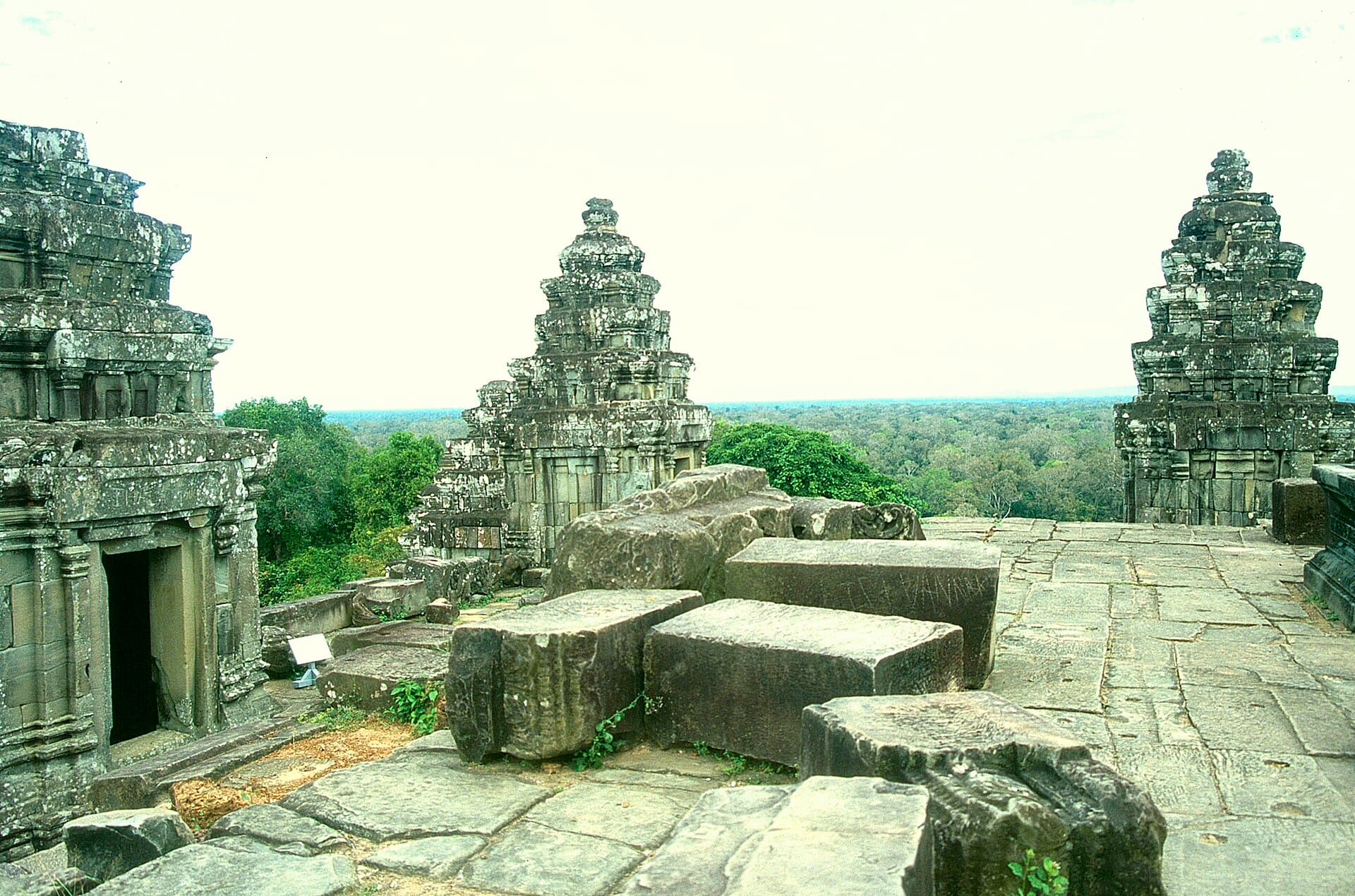
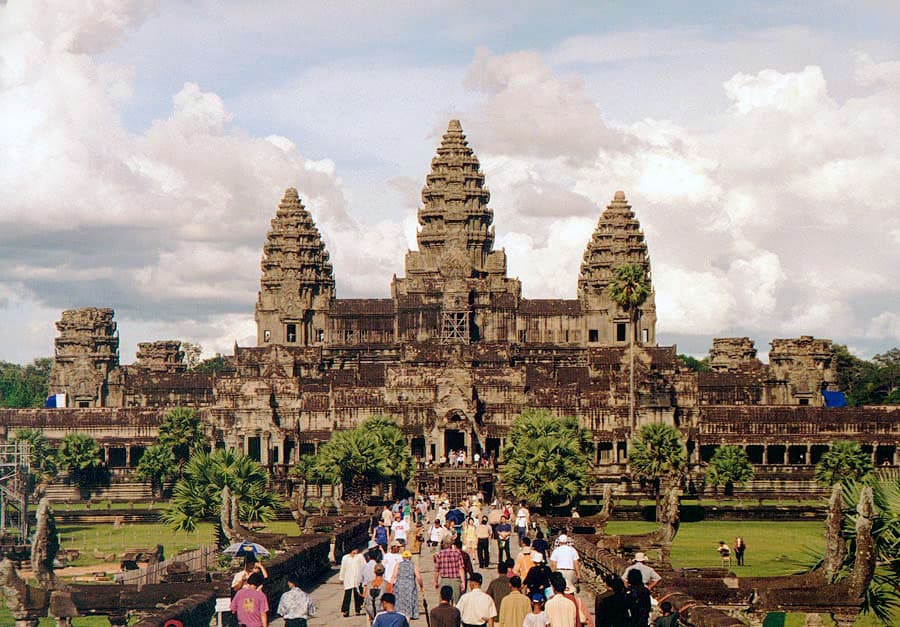
Begin at the surviving temple-mountains that once anchored the city. Phnom Bakheng offers panoramic views at sunset, while the vast moated enclosure of Angkor Wat remains the most intact example of Khmer architecture. Continue to the Bayon with its enigmatic stone faces, the jungle-wrapped Ta Prohm, and the earlier Roulos group temples east of the main site. Walk or cycle the ancient roads that once connected the royal palace area to outlying monasteries. Allow time to observe the intricate bas-reliefs depicting daily life, warfare, and mythology carved into the sandstone.
Practical Exploration Tips
- Start early to avoid crowds and heat at the major temples.
- Use the Angkor Pass to access multiple sites within the former city boundaries.
- Carry water and wear a hat; shaded areas are limited inside the enclosures.
Getting There
Yasodharapura lies immediately north of Siem Reap town. Most visitors arrive by tuk-tuk, taxi, or rented bicycle from the city center, a journey of roughly 20–30 minutes. International flights land at Siem Reap-Angkor International Airport, from which the site is a short drive. Within the archaeological park, electric vehicles, bicycles, and authorized tour buses provide access along the established routes.
Best Time to Visit
The cool-dry season from November to February offers the most comfortable temperatures and clearest skies for photography. March to May brings intense heat, while June to October sees monsoon rains that can make paths muddy yet reduce visitor numbers. Early morning or late afternoon visits minimize midday sun and allow for better lighting on the carvings.
Nearby Attractions
Combine a visit with the floating villages on Tonlé Sap lake to the south, the silk farms and craft workshops around Siem Reap, or the Preah Vihear temple farther north. The modern town of Siem Reap provides restaurants, markets, and accommodations that support day trips into the ancient city.