Discovering the Ludwig Roselius Museum
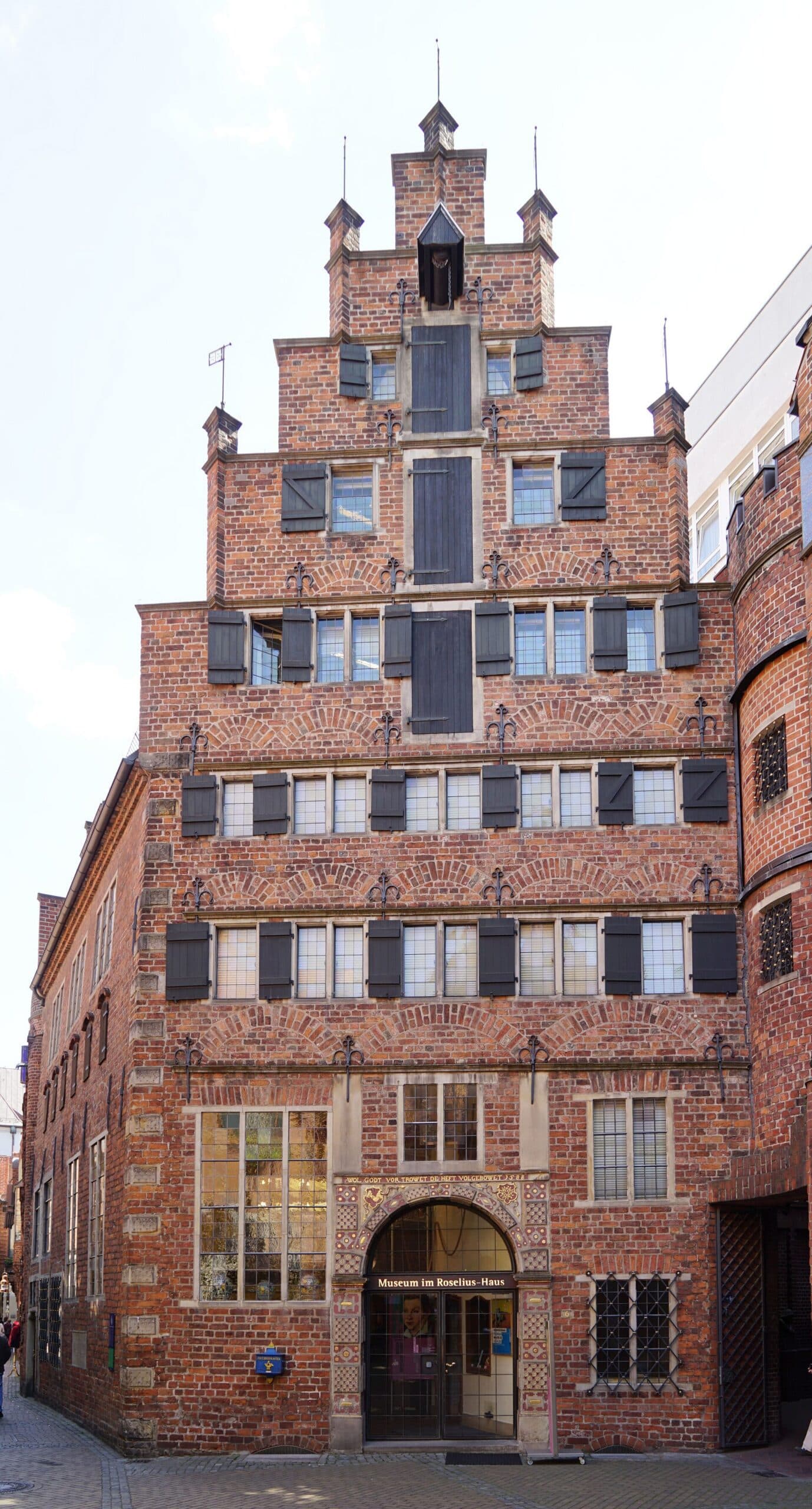
The Ludwig Roselius Museum occupies a striking building in Böttcherstraße, a compact street redesigned in the 1920s with expressionist brick architecture. Coffee merchant Ludwig Roselius assembled the core collection of medieval and Renaissance works that still forms the museum’s backbone. Visitors encounter paintings, sculptures, altarpieces, and decorative objects that trace artistic developments across northern Europe.
What to See and Do
Begin on the ground floor where carved wooden figures and panel paintings from the late Middle Ages are displayed in intimate rooms. Upstairs, Flemish and German Renaissance pieces share space with silverwork and early scientific instruments. Temporary exhibitions often highlight conservation techniques or lesser-known regional artists. The museum’s location inside the Böttcherstraße complex allows seamless movement between the Ludwig Roselius Museum and the adjacent Paula Modersohn-Becker Museum without leaving the street.
Getting There
Bremen Hauptbahnhof lies a 15-minute walk away; several tram lines stop at the nearby Domsheide or Marktplatz stations. From the central market square, follow the short pedestrian route through the historic Schnoor quarter to reach Böttcherstraße. Cyclists can use the city’s extensive bike lanes and secure their bicycles at racks along the street.
Best Time to Visit
Spring and early autumn offer mild weather ideal for combining an indoor museum visit with a stroll along the Weser River. December brings atmospheric Christmas lighting on Böttcherstraße, while summer months allow extended daylight for exploring nearby outdoor sites after the museum visit. The permanent collection remains consistent year-round, making any season suitable for focused art viewing.
Nearby Attractions
After touring the museum, continue along Böttcherstraße to admire its carved brick facades and the Glockenspiel. The Schnoor district’s narrow lanes and half-timbered houses lie just beyond, while the Bremen Cathedral and the Roland statue on the market square are a five-minute walk north. The Übersee-Museum, with its ethnographic displays, sits a short distance west of the old town.