Skip to content
Plan & Tour
DestinationsItinerariesTravel BlogAboutContact
0Sign inPlan a trip
Plan & TourPlan & Tour

Travel guides, destination inspiration and curated itineraries for Canada, the USA and beyond, plus a free tool to plan your own day-by-day trip.

Get travel inspiration

Explore

  • All Destinations
  • Curated Itineraries
  • Travel Blog
  • Plan a Trip

Topics

  • Hiking & Nature
  • Food & Drink
  • City Breaks
  • Budget Travel

Company

  • About Us
  • Contact
  • Privacy Policy
  • Terms of Service

© 2026 Plan & Tour. Built for travellers.

Discover the world, one trip at a time.

Louise Island: Remote Wilderness and Haida Heritage in Haida Gwaii
  1. Home
  2. Destinations
  3. British Columbia
  4. Louise Island: Remote Wilderness and Haida Heritage in Haida Gwaii
Island

Louise Island: Remote Wilderness and Haida Heritage in Haida Gwaii

Experience pristine old-growth forests, abundant wildlife, and quiet cultural sites on this uninhabited island in British Columbia’s Haida Gwaii archipelago.

British ColumbiaUpdated 31 July 2026

Why Louise Island Stands Out

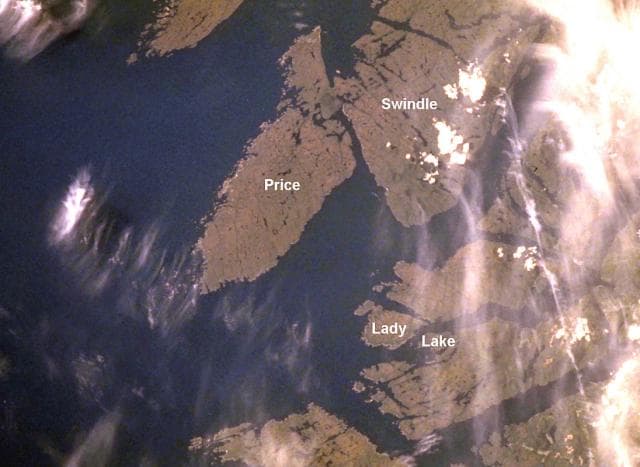
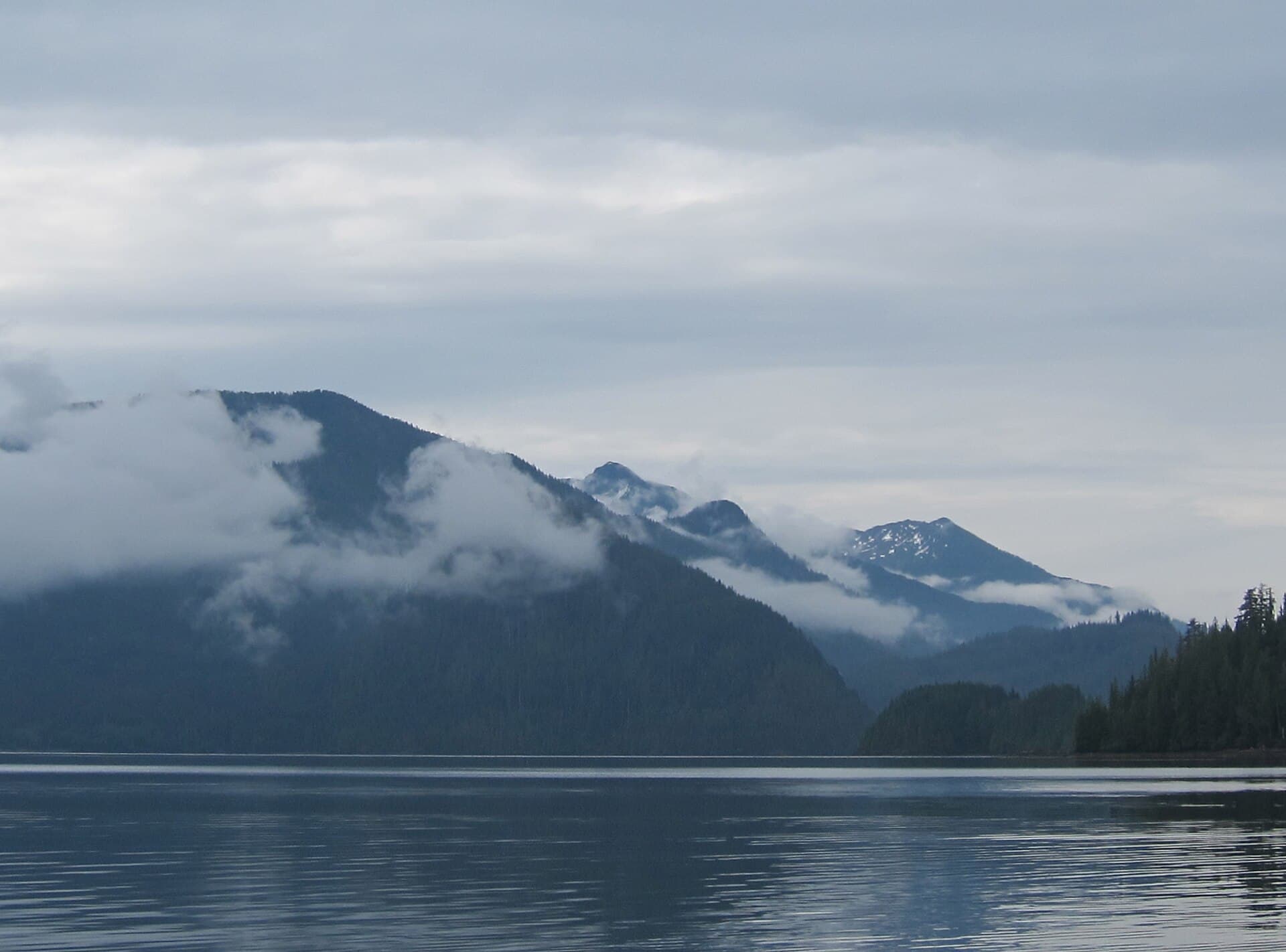
Louise Island sits in the heart of Haida Gwaii, offering visitors a rare combination of untouched temperate rainforest and protected marine waters. Its steep fjords, sheltered coves, and dense cedar-hemlock forests create a landscape shaped by thousands of years of Haida stewardship and natural forces. Because the island has no permanent residents or roads, the sense of isolation remains strong even when other parts of the archipelago see more visitors.

Things to See and Do

Wildlife viewing tops most itineraries. Black bears forage along shorelines at low tide, while bald eagles and marbled murrelets patrol the canopy. Sea kayakers often spot sea lions and humpback whales in the channels that separate Louise from Moresby Island. On land, short hikes lead to moss-draped cedar groves and occasional remnant Haida village sites marked by moss-covered house depressions and culturally modified trees.

Guided boat tours allow travelers to circumnavigate the island’s rugged east coast, stopping at sheltered bays for picnics or short walks. Photographers prize the contrast between dark forest and turquoise water, especially on calm summer mornings when mist lingers in the inlets.

How to Get There

Access begins with a flight to Sandspit or a ferry to Skidegate on Graham Island. From either hub, visitors arrange water-taxi or floatplane charters that land at sheltered anchorages along Louise’s western shore. Most travelers join small-group ecotours that supply kayaks, safety equipment, and local guides familiar with tides and wildlife protocols. Independent paddlers must file a trip plan with Parks Canada and carry appropriate marine safety gear.

Best Time to Visit

July and August bring the longest days and warmest temperatures, making them ideal for multi-day paddling trips. Late May and early June offer fewer insects and blooming coastal meadows, while September provides quieter waters and the chance to see migrating salmon. Winter visits are possible but require experienced operators and flexible schedules due to frequent storms.

Nearby Attractions

Many itineraries combine Louise Island with Gwaii Haanas National Park Reserve, just south across Skidegate Channel. The Haida Heritage Centre at Kaay Llnagaay on Graham Island provides cultural context before departure, and the village of Sandspit offers last-minute supplies and charter services.

Visitor tips

  • Pack layered rain gear and quick-dry clothing; sudden showers are common even in summer.
  • Book floatplane or water-taxi charters well ahead, especially for July and August departures.
  • Practice strict Leave No Trace principles and never approach wildlife closer than 100 meters.

Frequently asked questions

Do I need a permit to visit Louise Island?+

No individual permit is required for Louise Island itself, but any trip entering adjacent Gwaii Haanas waters needs a Parks Canada reservation.

Are there hiking trails on Louise Island?+

There are no maintained trails. Visitors follow short, informal routes from beach landings or join guided walks led by local operators.

What wildlife is most likely to be seen?+

Black bears, bald eagles, sea lions, and humpback whales are commonly observed from shore or kayak during the summer season.

Can I camp on Louise Island?+

Yes, beach camping is possible at designated sites, but visitors must carry all supplies, practice bear-safe food storage, and pack out waste.

How long should I plan to stay?+

Most visitors spend two to four days exploring by kayak or boat; longer trips allow time to circumnavigate the island and visit multiple bays.

Share
Google Maps Apple Maps Directions

Image: The Interior · CC BY-SA 3.0 · via Wikimedia Commons

Keep reading

Nearby & related

All stories
Vedder River: Salmon Fishing, Paddling and Riverside Trails in British Columbia
British Columbia

Vedder River: Salmon Fishing, Paddling and Riverside Trails in British Columbia

A clear, productive river in the Fraser Valley offering consistent chinook and coho runs, easy paddling and quiet hiking…

1 August 2026
E
British Columbia

Englishman River: Waterfalls, Forests and Salmon Runs on Vancouver Island

Hike to dramatic waterfalls, swim in clear pools, and watch salmon spawn along this Vancouver Island river.

1 August 2026
B
British Columbia

Bella Coola River: Wilderness Fishing and Grizzly Viewing in British Columbia’s Great Bear Rainforest

This remote river in the Bella Coola Valley offers world-class steelhead and salmon fishing, abundant wildlife, and…

1 August 2026