Why Visit Graham Island
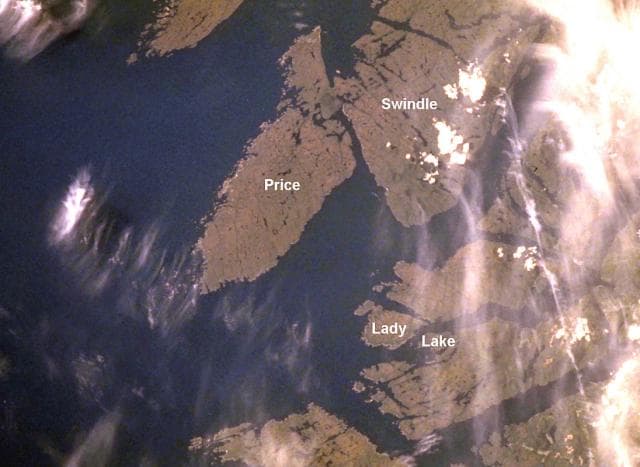
Graham Island forms the northern bulk of Haida Gwaii, a remote chain off British Columbia’s coast where temperate rainforest meets the open Pacific. Its combination of Haida cultural landmarks, old-growth cedar stands, and wild beaches draws travelers seeking quiet immersion rather than developed attractions.
Getting There
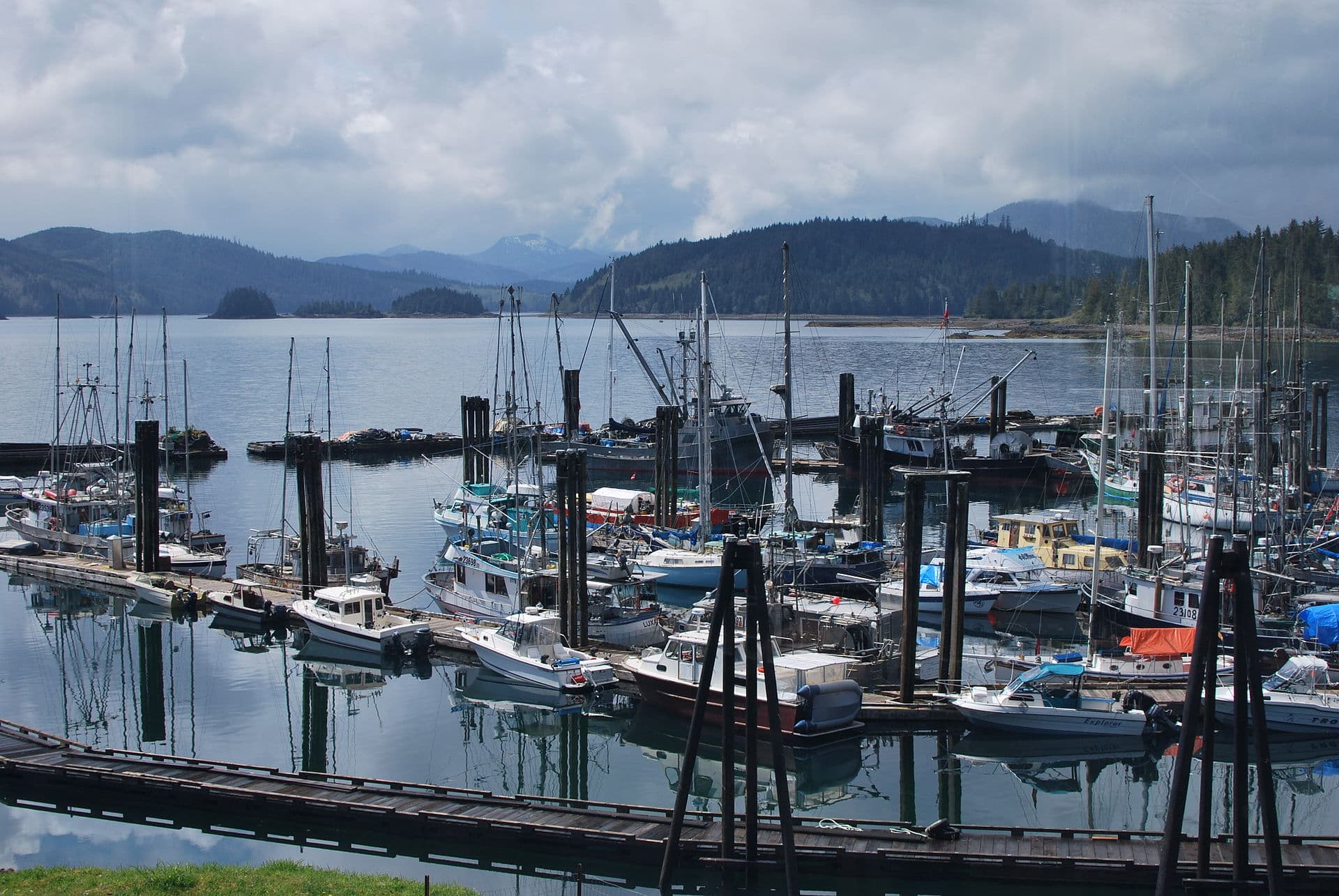
Most visitors reach Graham Island by BC Ferries from Prince Rupert on the mainland to the Skidegate terminal. The crossing takes six to eight hours and runs several times weekly year-round. Once on the island, a paved road connects Skidegate with Masset at the northern end, allowing easy access to beaches and parks by car or bicycle. Small planes serve both Sandspit Airport on adjacent Moresby Island and Masset Airport directly on Graham Island for those preferring to fly.
Best Time to Visit
July and August bring the mildest weather and longest daylight, ideal for hiking and kayaking. Late spring and early fall offer fewer visitors and lower ferry demand while still providing workable conditions for outdoor activities. Winter storms can close roads and cancel sailings, so shoulder seasons suit travelers comfortable with changeable maritime weather.
Things to See and Do
At Skidegate, the Haida Heritage Centre displays monumental carved poles and contemporary Haida art. Northward, Naikoon Provincial Park protects long stretches of sand at North Beach and the basalt columns of Tow Hill. Short trails lead through moss-draped forest to the summit for coastal views. Kayakers launch from Masset Inlet or sheltered bays to explore tidal channels where sea lions and seabirds gather. Anglers target salmon and halibut from shore or guided boats. Wildlife watchers scan for black bears on beaches and bald eagles overhead. A full-day drive around the island reveals small Haida villages and quiet coves rarely shared with other travelers.
Nearby Places Worth Exploring
From Skidegate, short water-taxi rides reach Moresby Island and the gateway to Gwaii Haanas National Park Reserve, where ancient village sites and sea stacks can be visited by boat or kayak. The waters between the islands also support seasonal whale-watching tours focused on humpbacks and orcas.