Skip to content
Plan & Tour
DestinationsItinerariesTravel BlogAboutContact
0Sign inPlan a trip
Plan & TourPlan & Tour

Travel guides, destination inspiration and curated itineraries for Canada, the USA and beyond, plus a free tool to plan your own day-by-day trip.

Get travel inspiration

Explore

  • All Destinations
  • Curated Itineraries
  • Travel Blog
  • Plan a Trip

Topics

  • Hiking & Nature
  • Food & Drink
  • City Breaks
  • Budget Travel

Company

  • About Us
  • Contact
  • Privacy Policy
  • Terms of Service

© 2026 Plan & Tour. Built for travellers.

Discover the world, one trip at a time.

Lake Titicaca: Bolivia’s Sacred High-Altitude Waters
  1. Home
  2. Destinations
  3. La Paz Department
  4. Lake Titicaca: Bolivia’s Sacred High-Altitude Waters
Lake

Lake Titicaca: Bolivia’s Sacred High-Altitude Waters

Discover the highest navigable lake on Earth along Bolivia’s Copacabana peninsula and its storied islands.

La Paz DepartmentUpdated 11 October 2026

Why Visit Lake Titicaca

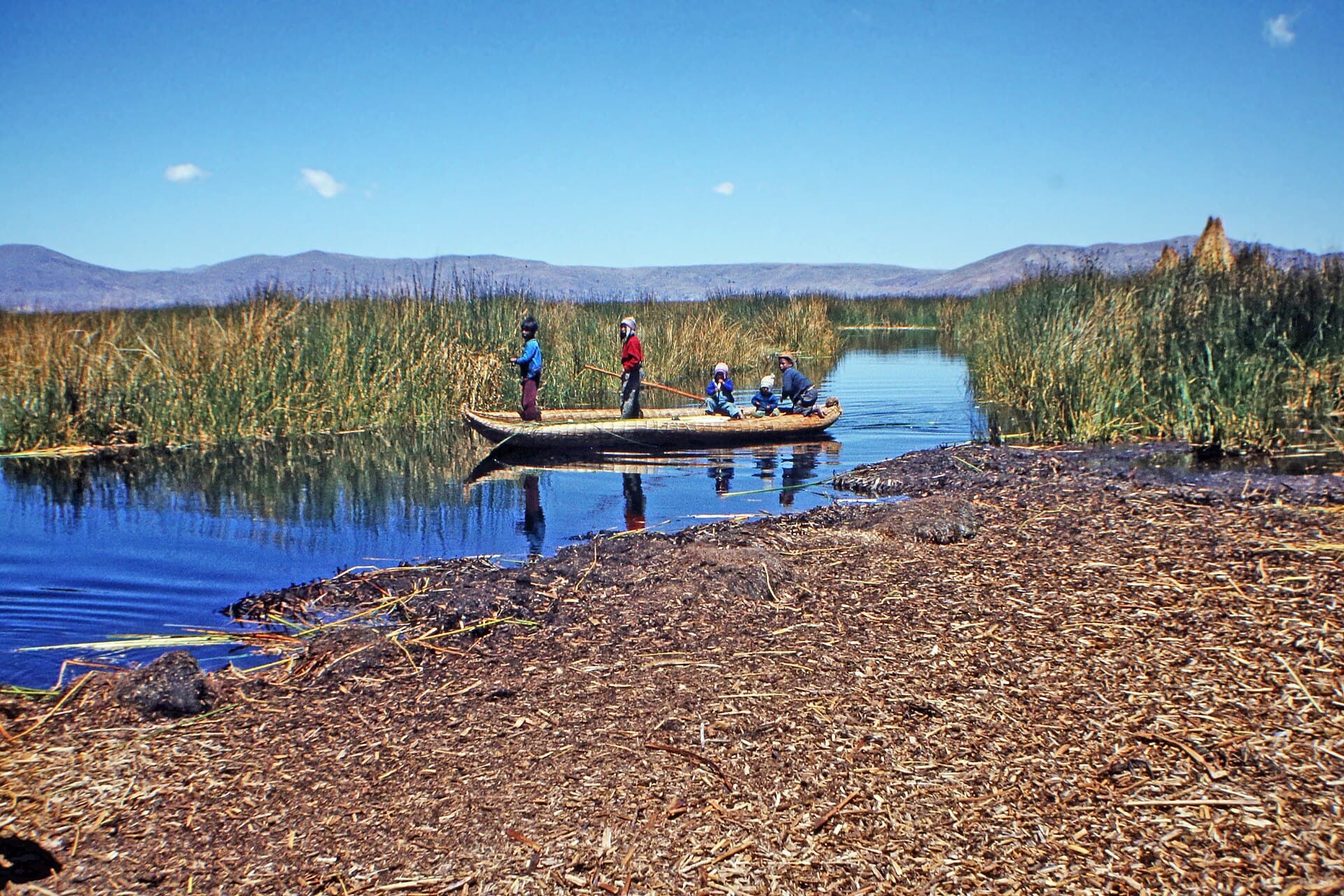
Situated at 3,812 meters above sea level, Lake Titicaca straddles the Bolivia-Peru border yet offers its most intimate cultural encounters on the Bolivian side. The deep azure waters, ringed by snow-capped Cordillera Real peaks, have sustained Aymara communities for centuries and served as the mythical birthplace of the Inca empire. Visitors come for the crisp highland light, pre-Inca ruins, and the chance to stay in village homestays that still practice traditional agriculture and reed-boat craftsmanship.

How to Get There

Most travelers start in La Paz. Comfortable tourist buses depart daily from the city’s main terminal, winding 3.5 hours through the altiplano to the lakeside town of Copacabana. From Copacabana harbor, scheduled boats reach Isla del Sol in roughly two hours; smaller launches serve Isla de la Luna. Those continuing onward can cross to Peru via the Kasani border post, 15 minutes from Copacabana.

Best Time to Visit

The dry season from May to October brings clear skies and stable boat schedules. June and July can feel cold at night, while September offers milder temperatures and fewer crowds. The rainy months of December through March reduce visibility and occasionally disrupt ferry services, though the landscape turns vividly green.

Top Things to See and Do

Isla del Sol

The largest island features the Inca staircase at Yumani, the sacred rock at Chinkana, and sweeping views from the summit trail. Allow a full day to hike between north and south landings.

Isla de la Luna

Quieter than its neighbor, this compact island preserves the ruins of an Inca temple dedicated to the moon goddess. A single path circles the shoreline in under an hour.

Copacabana and the Peninsula

Stroll the waterfront promenade, climb the Cerro Calvario for sunset, and sample fresh trout at lakeside restaurants. The nearby Horca del Inca offers a short hike to an ancient observatory.

Community Homestays

Overnight programs on the islands let visitors share meals of quinoa soup and chuño potatoes while learning about traditional reed harvesting and weaving.

Nearby Attractions

From Copacabana it is easy to add a day trip to the pre-Inca ruins at Tiwanaku or return to La Paz via the dramatic Yungas road. Those with extra time can continue to the colonial city of Sucre or the salt flats of Uyuni.

Visitor tips

  • Acclimatize in La Paz for at least two days before heading to the lake to reduce altitude discomfort.
  • Carry cash in small boliviano notes; many island vendors and boat captains do not accept cards.
  • Pack layers and sunscreenu2014intense highland sun and sudden temperature drops are common year-round.

Frequently asked questions

Is Lake Titicaca safe for tourists?+

The Bolivian shore is generally safe when travelers stick to established routes and use registered boat operators. Petty theft can occur in Copacabanau2019s harbor area, so keep valuables secure.

Do I need a guide to visit Isla del Sol?+

Independent hiking is straightforward on marked trails, yet hiring a local guide enriches the experience with explanations of Inca sites and current community life.

Can I swim in the lake?+

Water temperatures rarely exceed 15 u00b0C, but sheltered bays near Copacabana allow brief dips. Strong afternoon winds can create choppy conditions.

What food should I try around the lake?+

Fresh trout grilled with local herbs, quinoa-based dishes, and the sweet, dense bread sold at Copacabanau2019s Sunday market are regional specialties.

How many days should I spend at Lake Titicaca?+

Three nights allow time for Copacabana, a full day on Isla del Sol, and a relaxed morning on Isla de la Luna before returning to La Paz.

Share
Google Maps Apple Maps Directions

Image: W. Bulach · CC BY-SA 4.0 · via Wikimedia Commons

Keep reading

Nearby & related

All stories
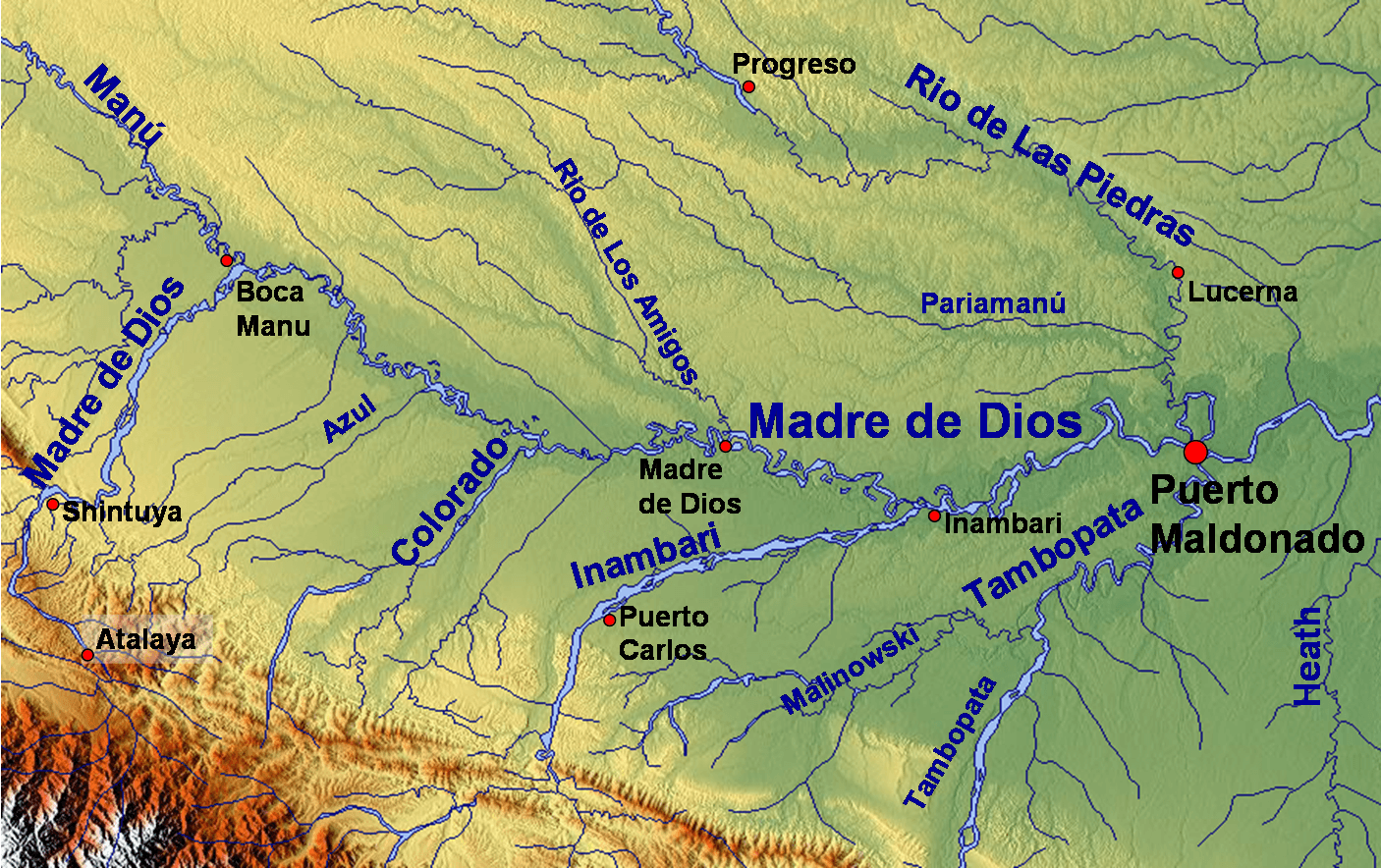
Heath River: Bolivia’s Remote Amazon Wilderness in La Paz Department
La Paz Department

Heath River: Bolivia’s Remote Amazon Wilderness in La Paz Department

A biodiverse tributary of the Madre de Dios offering pristine jungle, wildlife encounters, and guided river adventures…

12 October 2026
Glaciar Lake: Bolivia’s Remote Turquoise Andean Gem
La Paz Department

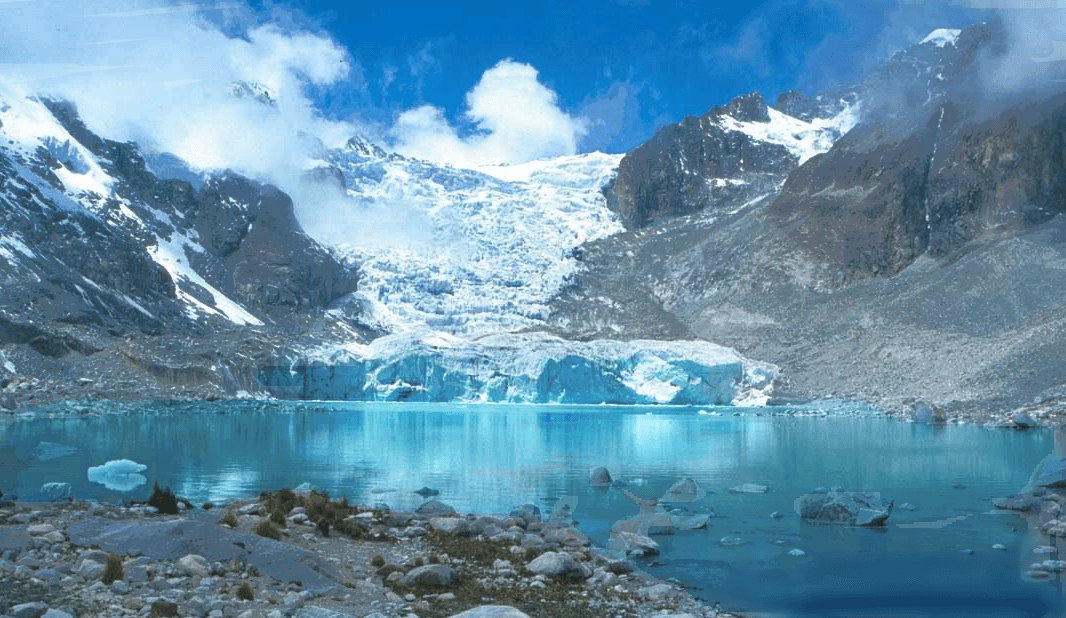
Glaciar Lake: Bolivia’s Remote Turquoise Andean Gem

Hike to this high-altitude glacial lake in La Paz Department for dramatic mountain views and pristine waters far from…

12 October 2026
Milluni Lake: Bolivia’s Turquoise High-Altitude Gem Near La Paz
La Paz Department

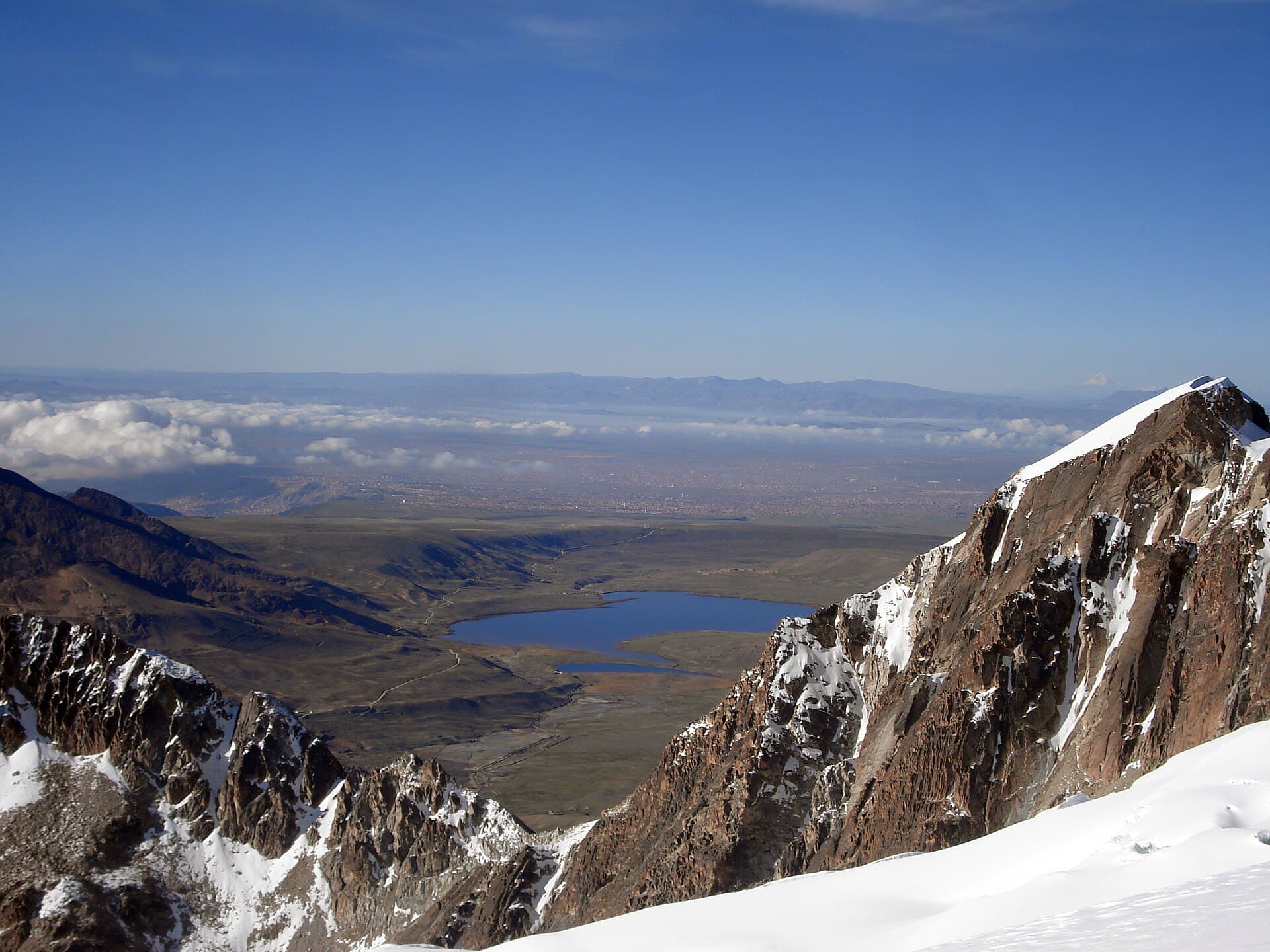
Milluni Lake: Bolivia’s Turquoise High-Altitude Gem Near La Paz

A serene Andean lake offering dramatic mountain views, hiking, and a glimpse into the region’s mining heritage just…

12 October 2026