Why Visit the Heath River
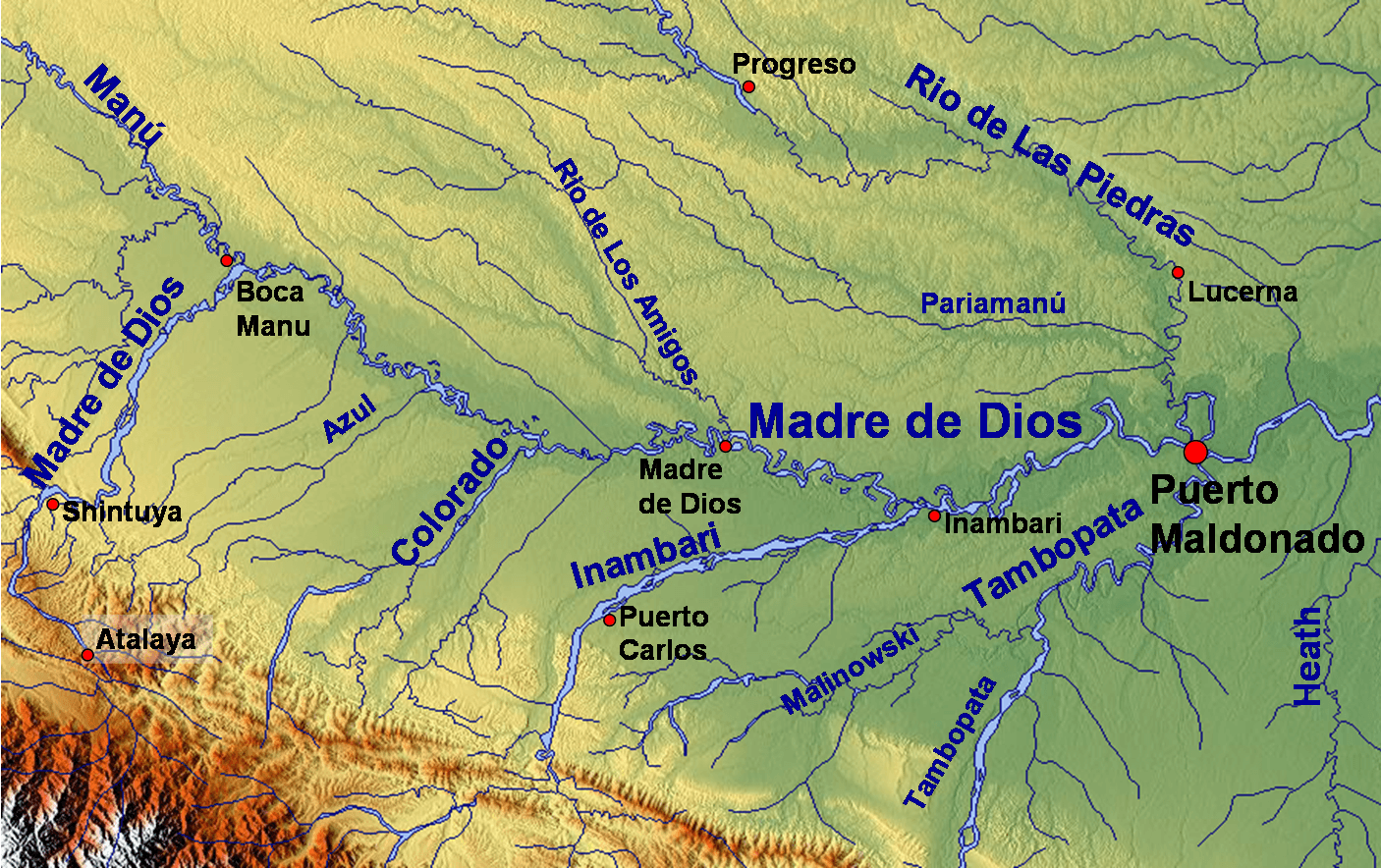
The Heath River winds through the dense rainforest of Madidi National Park and the adjacent Heath River Wildlife Sanctuary, forming part of the Bolivia–Peru border. Its dark waters support one of the Amazon’s most intact ecosystems, where visitors can experience true wilderness without crowds. The river’s isolation preserves populations of jaguars, giant river otters, and large macaw colonies that are harder to find elsewhere in the region.
Things to See and Do
Guided boat trips at dawn and dusk offer the best chances to spot wildlife along the riverbanks and oxbow lakes. Walks on elevated canopy platforms reveal colorful birds and monkeys, while night excursions highlight caimans and nocturnal mammals. Many tours include visits to clay licks where hundreds of parrots and macaws gather. Kayaking or paddleboarding on calmer stretches allows quiet exploration of smaller tributaries.
Wildlife Highlights
- Giant river otters hunting in family groups
- Jaguar tracks and occasional sightings on river bends
- Black caimans basking on sandbars
- Colorful flocks of blue-and-yellow and scarlet macaws
How to Get There
Most travelers fly into Rurrenabaque, then continue by motorized canoe or overland transfer to the river’s upper reaches. Access is exclusively through licensed tour operators based in Rurrenabaque or Apolo; independent travel is not feasible due to the lack of roads and infrastructure. The journey typically involves several hours on smaller rivers before reaching the Heath.
Best Time to Visit
The dry season from May to October provides lower water levels that concentrate wildlife near the river and make walking trails more accessible. The wet season (November–April) brings higher water and lush vegetation but can limit trail access and increase mosquito activity.
Nearby Attractions
Combine a Heath River trip with time in Madidi National Park’s interior lodges or the Tuichi River for multi-day rafting. The nearby Chalalán Ecolodge offers community-run experiences, while the pampas around Rurrenabaque provide contrasting open-savanna wildlife viewing.