Why Glaciar Lake Is Worth Visiting
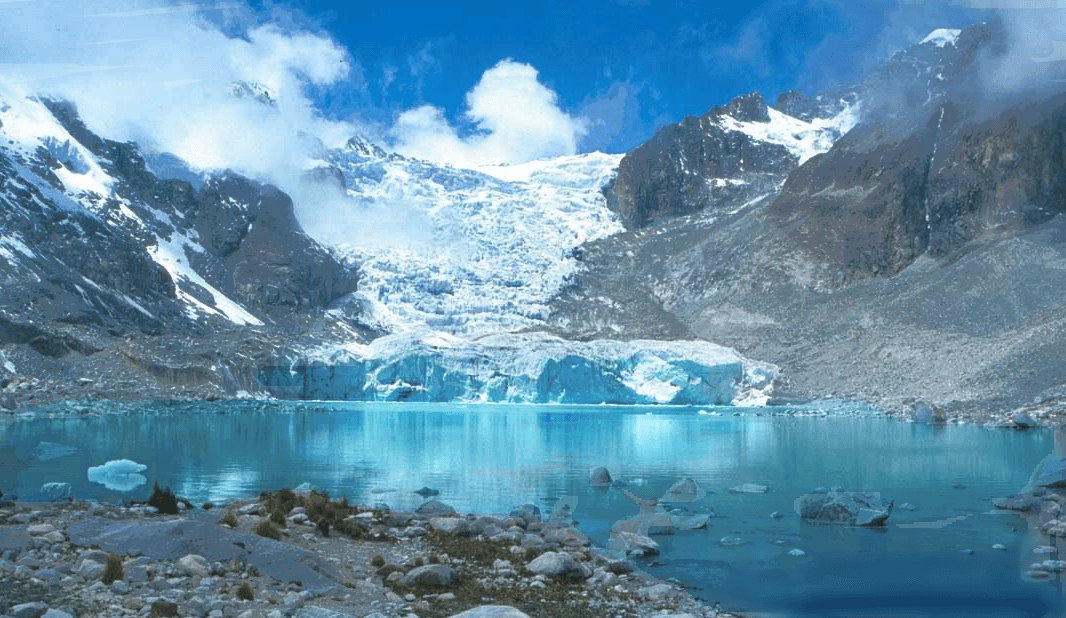
Glaciar Lake sits at roughly 5,000 meters in the Cordillera Real, its milky turquoise surface fed by melting glaciers on the surrounding peaks. The lake offers visitors a rare combination of stark Andean wilderness and accessible day hikes from La Paz, with reflections of snow-capped summits such as Illimani and Huayna Potosí creating unforgettable vistas. Unlike more developed Bolivian lakes, Glaciar Lake remains largely undeveloped, preserving a quiet, raw landscape ideal for photographers and hikers seeking solitude.
How to Get There
Most travelers start from La Paz and arrange transport to the trailhead near the village of Tuni or the Zongo Valley road. The final approach is on foot along a well-marked path that climbs steadily past smaller tarns and rocky moraines; the walk typically takes three to five hours round-trip depending on fitness and acclimatization. Private transfers or organized tours with local operators are the most reliable options, as public transport ends well before the lake.
Best Time to Visit
The dry season from May to October brings clearer skies and more stable trails, although nighttime temperatures can drop below freezing. The wet season (November–April) transforms the surrounding slopes into lush green but increases the risk of rain, fog, and slippery paths. Early morning departures are recommended year-round to avoid afternoon cloud build-up over the peaks.
Activities at the Lake
- Short hikes around the shoreline for different angles of the glacier and surrounding cirque.
- Wildlife spotting, including Andean geese, vicuñas, and occasional condors soaring overhead.
- Photography of the vivid water color caused by glacial silt.
- Optional extensions to nearby high passes for multi-day treks linking to the Condoriri or Huayna Potosí base camps.
Nearby Attractions
After visiting Glaciar Lake, many travelers continue to the Tuni reservoir and the dramatic rock formations of the Condoriri group, or descend toward the Yungas for a change in climate and scenery. The lake also serves as a gateway for longer traverses toward Sorata or the Illampu circuit.