Discovering the Kuskokwim River
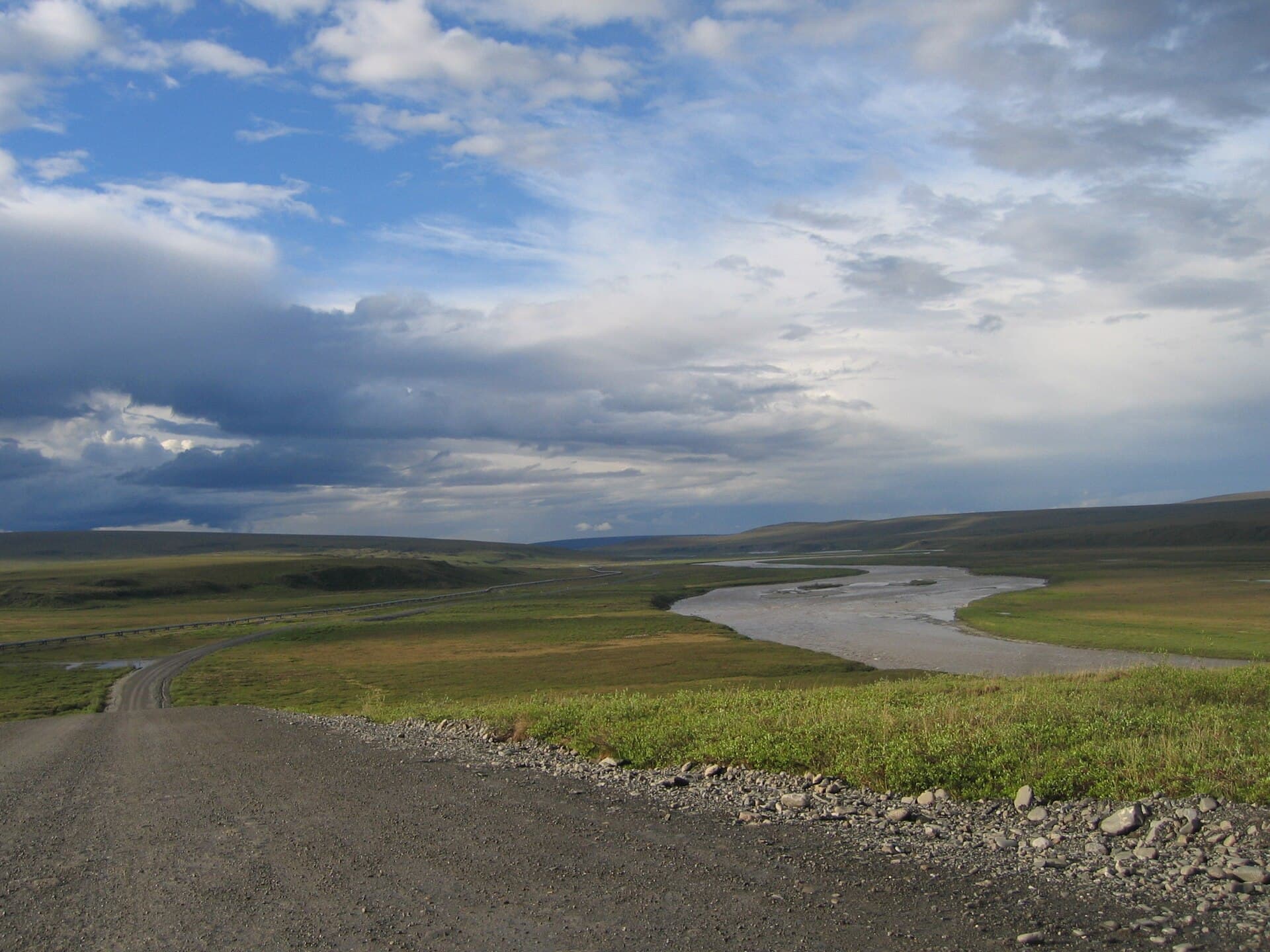
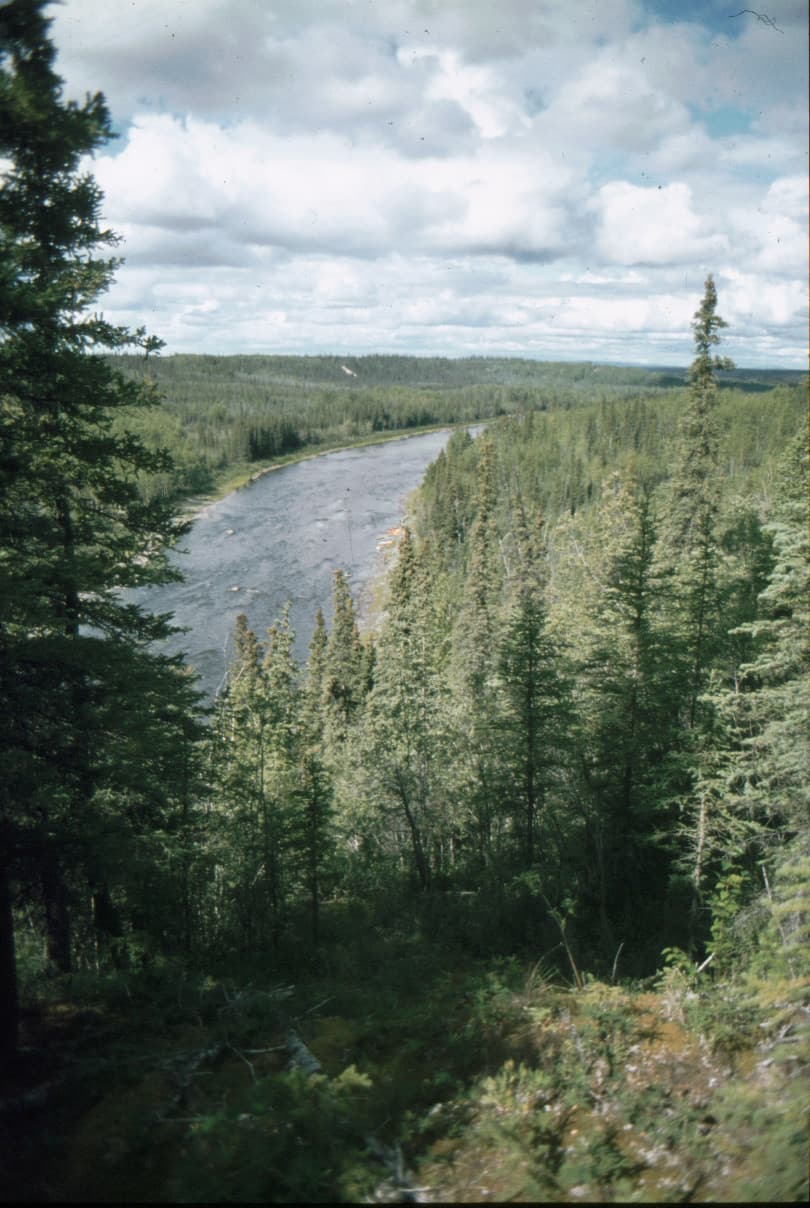
The Kuskokwim River stretches nearly 700 miles from the Alaska Range through tundra and boreal forest before emptying into the Bering Sea. It offers visitors a rare chance to experience true wilderness with few roads or crowds. The river supports abundant salmon runs and serves as a vital transportation corridor for remote villages.
Reaching the Kuskokwim
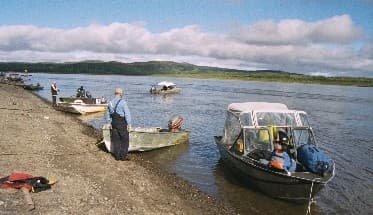
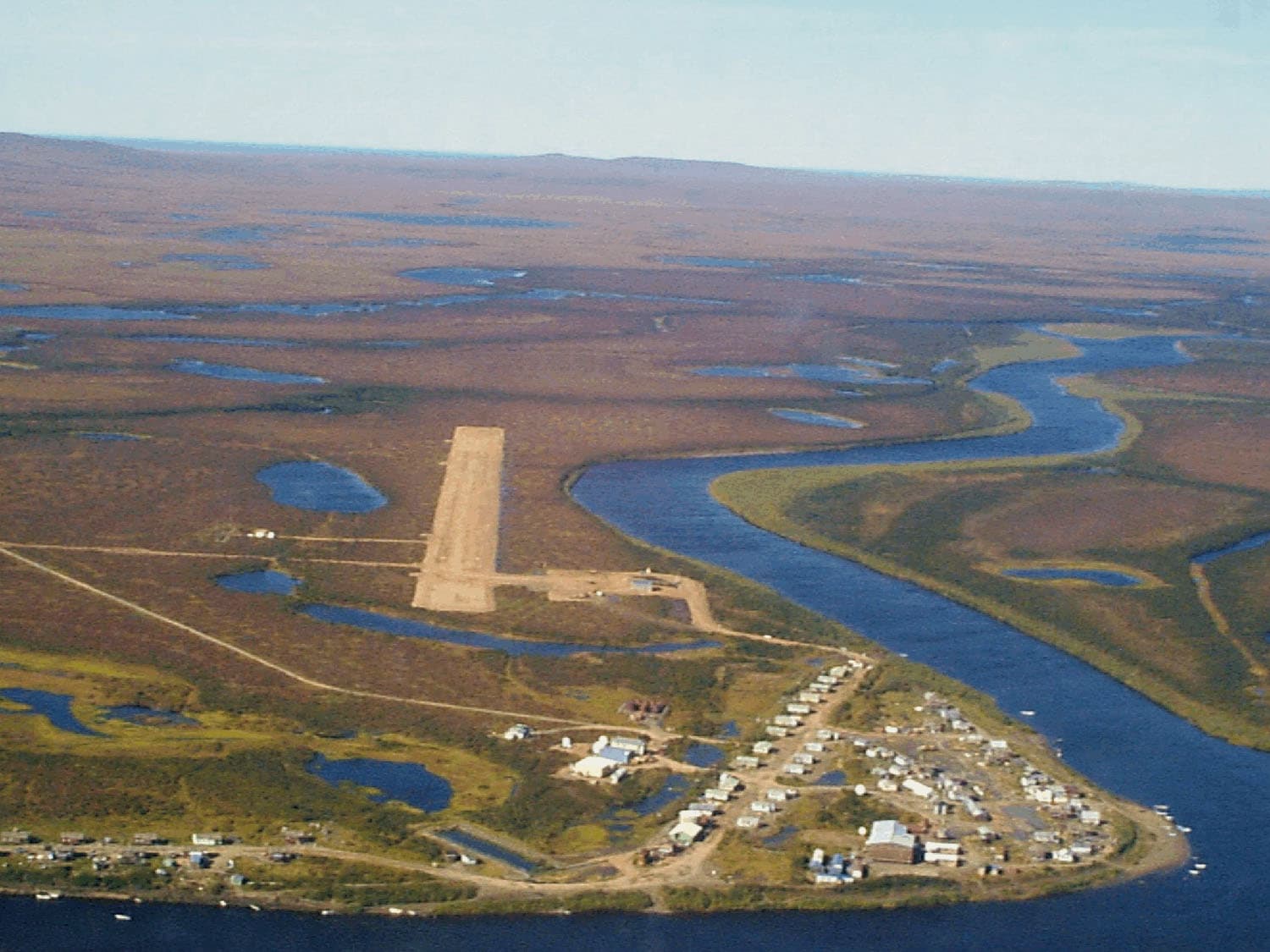
Most travelers fly into Bethel, the largest hub on the lower river, or Aniak farther upstream. From these communities, arrange boat charters or join guided float trips that launch directly from the riverbank. Small planes also reach villages such as McGrath or Sleetmute for upper-river access. Pack light because weight limits on bush planes are strict.
Best Time to Visit
June through September brings the most comfortable conditions for floating and fishing. Salmon runs peak in July and August. Early September offers brilliant fall colors and fewer insects. Winter travel by snowmachine or dogsled is possible once the river freezes, but requires expert local knowledge and extreme cold preparation.
Key Activities Along the River
- Drift or paddle multi-day trips between villages to spot moose, bears, and migratory birds.
- Target king, chum, and silver salmon with rod and reel or dip nets during legal seasons.
- Visit cultural centers in Bethel or participate in subsistence activities with local Yup’ik families when invited.
- Explore tributary streams for grayling and rainbow trout in clearer water.
Nearby Places Worth Exploring
From the Kuskokwim, travelers can reach the Yukon Delta National Wildlife Refuge for birdwatching or continue to the coastal village of Quinhagak for access to Cape Newenham. The river also connects to the Iditarod Trail, allowing winter visitors to trace historic sled-dog routes.
Practical Considerations
Cell service is nonexistent outside villages. Carry satellite communication devices and enough food and fuel for unexpected delays caused by weather. Always check river conditions with local pilots or boat captains before launching, as sandbars and strong currents shift seasonally.