History and Character
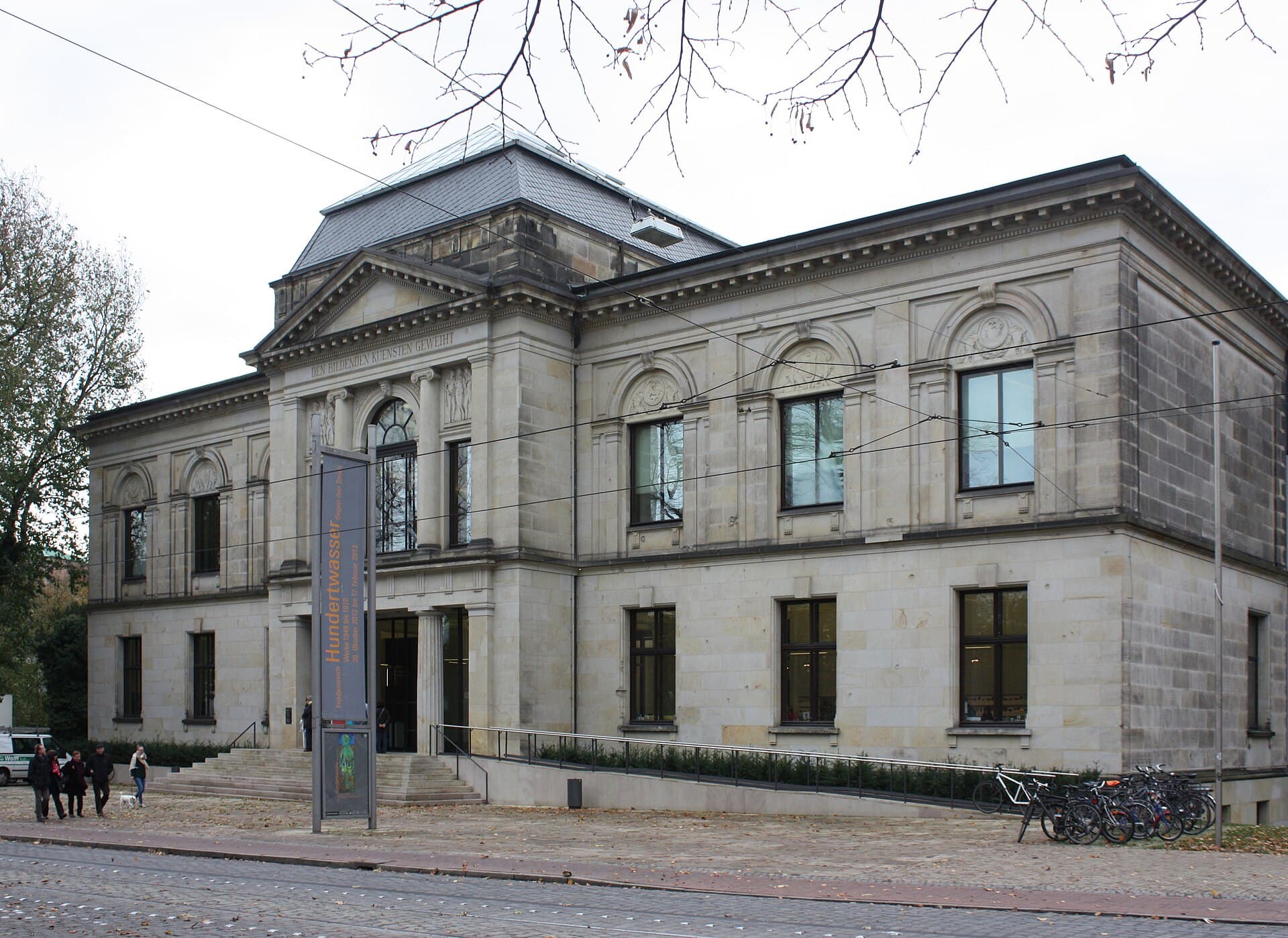
Kunsthalle Bremen stands as one of Germany’s oldest civic art institutions, established by local art lovers who pooled resources to acquire works rather than wait for royal patronage. The neoclassical building in the city’s Mitte district houses a collection spanning the fourteenth century to contemporary pieces, with particular strength in nineteenth- and early twentieth-century French and German art.
Collection Highlights
The museum’s holdings include Impressionist canvases by Monet, Manet, and Degas, alongside German Romantics such as Caspar David Friedrich and Carl Blechen. Later rooms feature Expressionist works by Max Beckmann and Emil Nolde, while the graphic arts cabinet preserves thousands of drawings and prints accessible during special study sessions. Sculpture courtyards and changing exhibitions occupy the ground floor, offering contrast to the dense hanging of paintings upstairs.
Practical Visiting Advice
Getting There
The museum sits a short walk from Bremen Hauptbahnhof and the central tram stops. Cyclists can use the secure racks along the Wallanlagen park path; drivers will find limited underground parking beneath the nearby shopping arcade.
Best Time to Visit
Weekdays before noon are quietest. Summer months bring longer daylight for combining a visit with the adjacent Bürgerpark, while winter offers uncrowded rooms and the chance to see the permanent collection under softer gallery lighting.
Nearby Attractions
After viewing the galleries, stroll five minutes to Bremen Cathedral and the UNESCO-listed Town Hall square. The Schnoor quarter’s narrow lanes provide half-timbered cafés, and the Übersee-Museum adds an ethnographic complement to the Kunsthalle’s European focus.