Keep reading
Nearby & related
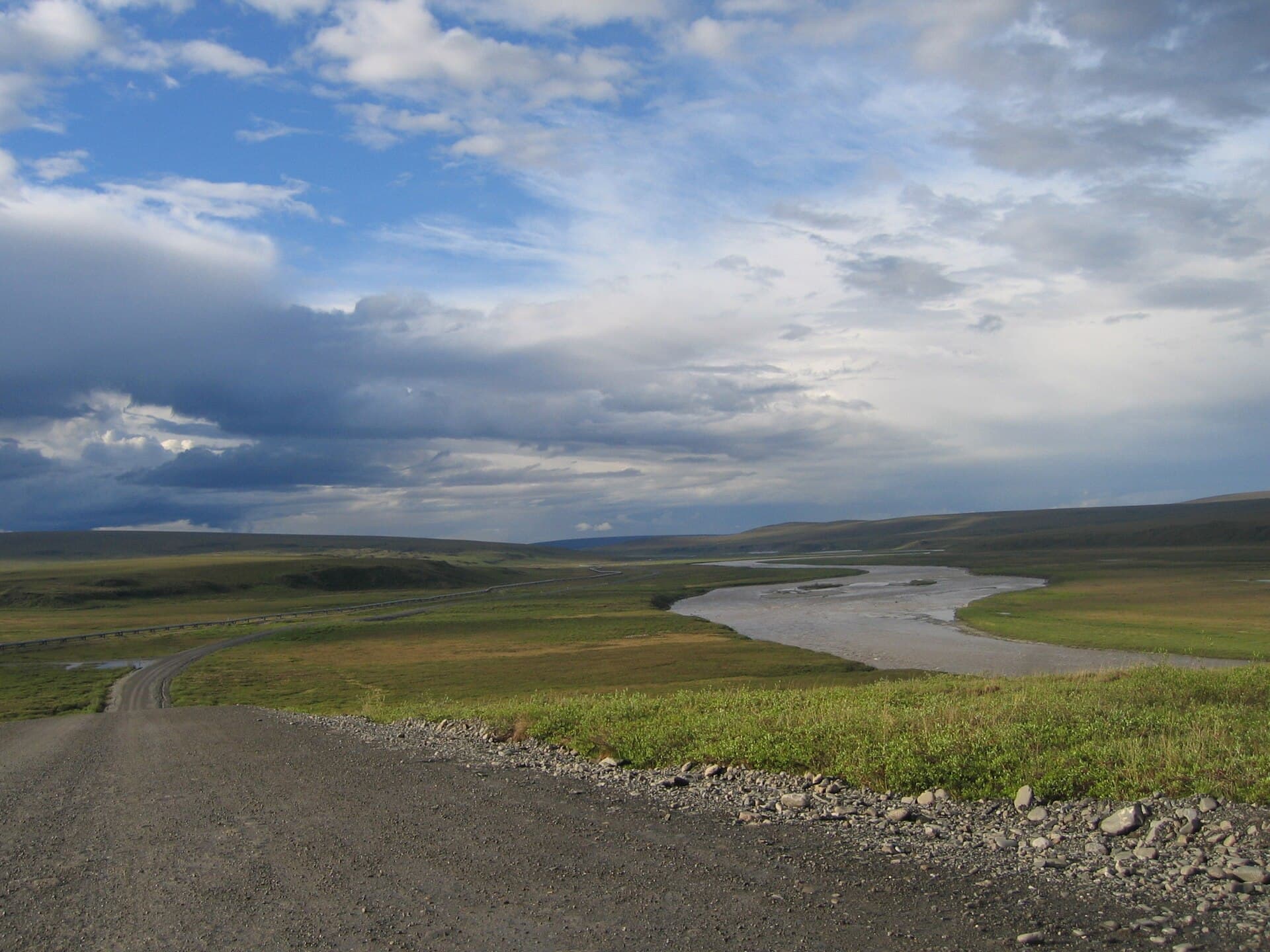
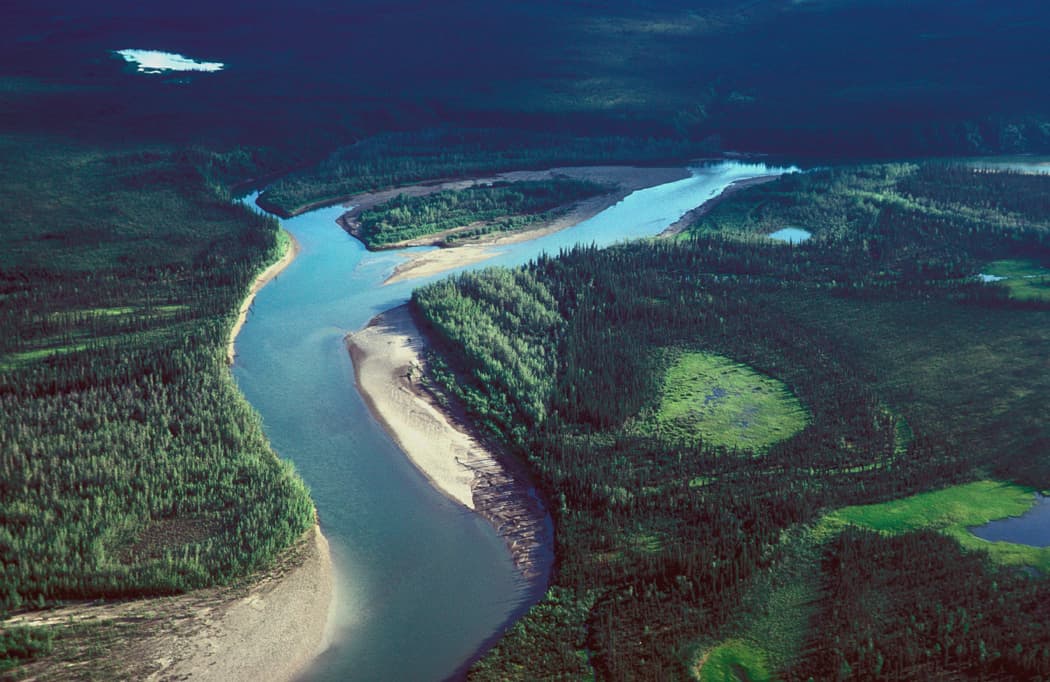
Sagavanirktok River: Rafting Alaska’s Remote Arctic Frontier
Experience the wild, roadless beauty of one of Alaska’s northernmost rivers on the North Slope.
17 August 2026
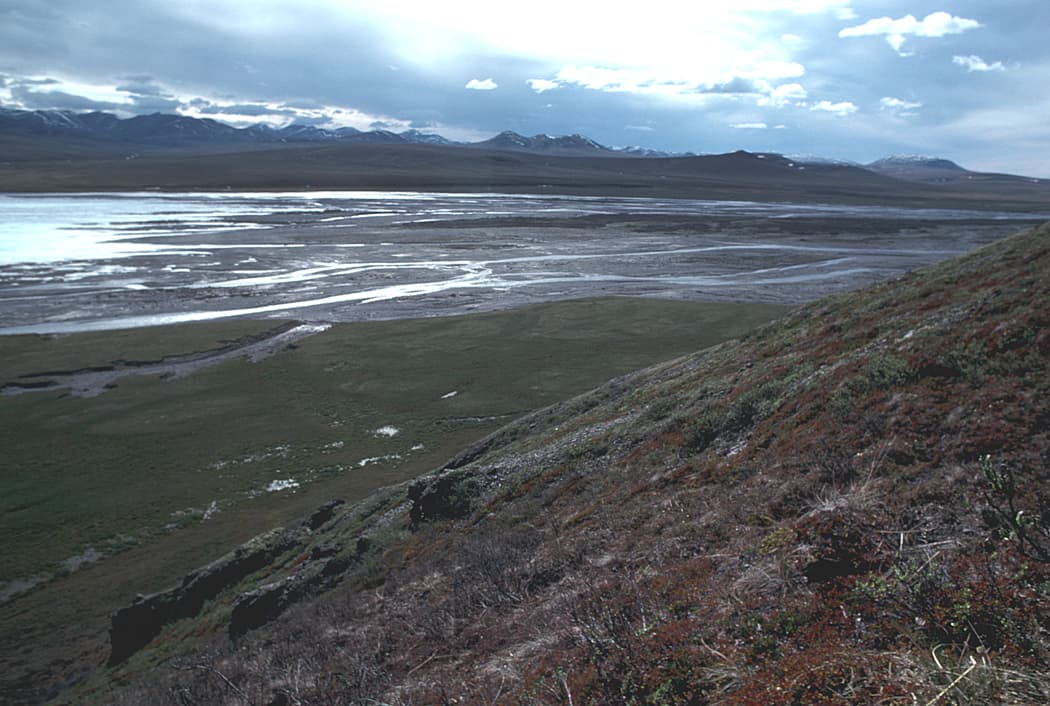
Experience pristine Arctic tundra, caribou migrations, and world-class fishing on the Kongakut River in Alaska's Arctic National Wildlife Refuge.
The Kongakut River flows through one of North America’s most intact wilderness areas within the Arctic National Wildlife Refuge. Its clear waters cut through tundra, foothills, and coastal plain, offering travelers a rare chance to witness the annual migration of the Porcupine caribou herd and experience true Arctic solitude.
Access requires a bush-plane flight from Fairbanks or the village of Kaktovik to a gravel airstrip along the upper river. From there, visitors launch rafts for multi-day floats that end at the Beaufort Sea coast. All travel is by small aircraft and non-motorized boats; no roads reach this corner of Alaska.
June through early September provides ice-free water and 24-hour daylight. Early summer offers peak caribou movement across the coastal plain, while late summer brings excellent fishing and fewer insects. Weather can shift rapidly even in midsummer, so travelers should expect cold rain and wind at any time.
Multi-day rafting trips combine Class I-II rapids with calm sections ideal for fishing. Anglers target Arctic grayling, Dolly Varden, and Arctic char in clear tributaries. Short hikes onto surrounding ridges reveal sweeping views of the Brooks Range and opportunities to spot grizzly bears, wolves, and musk oxen. Birders watch for golden eagles, gyrfalcons, and migratory waterfowl nesting on the tundra.
The Kongakut corridor lies at the heart of the Porcupine caribou herd’s calving grounds. Herds of several thousand animals may cross the river in a single day. Moose frequent willow thickets, while the coastal plain supports polar bears in late summer. The open tundra supports dense wildflower displays in July and offers unobstructed stargazing during the brief August nights.
From the river’s mouth, small planes can reach the community of Kaktovik for cultural visits or continue to the Hulahula River and Okpilak Glacier for additional wilderness exploration. The entire region remains part of the same protected refuge, preserving continuous habitat from the mountains to the Arctic Ocean.
Keep reading
Experience the wild, roadless beauty of one of Alaska’s northernmost rivers on the North Slope.
Most visitors plan 7- to 12-day rafting itineraries to cover the full length from the upper river to the coast.
Independent travel is possible but strongly discouraged due to extreme remoteness and lack of rescue infrastructure; nearly all travelers join guided expeditions.
Arctic grayling, Dolly Varden char, and Arctic char are the primary targets; all fishing is catch-and-release only within the refuge.
No developed facilities exist; visitors camp on gravel bars or tundra using leave-no-trace practices.
Continuous daylight in June and July prevents aurora viewing; late August trips may offer brief dark hours for northern lights.
The John River offers intrepid travelers a rare chance to paddle through untouched Arctic wilderness in Alaska’s North…
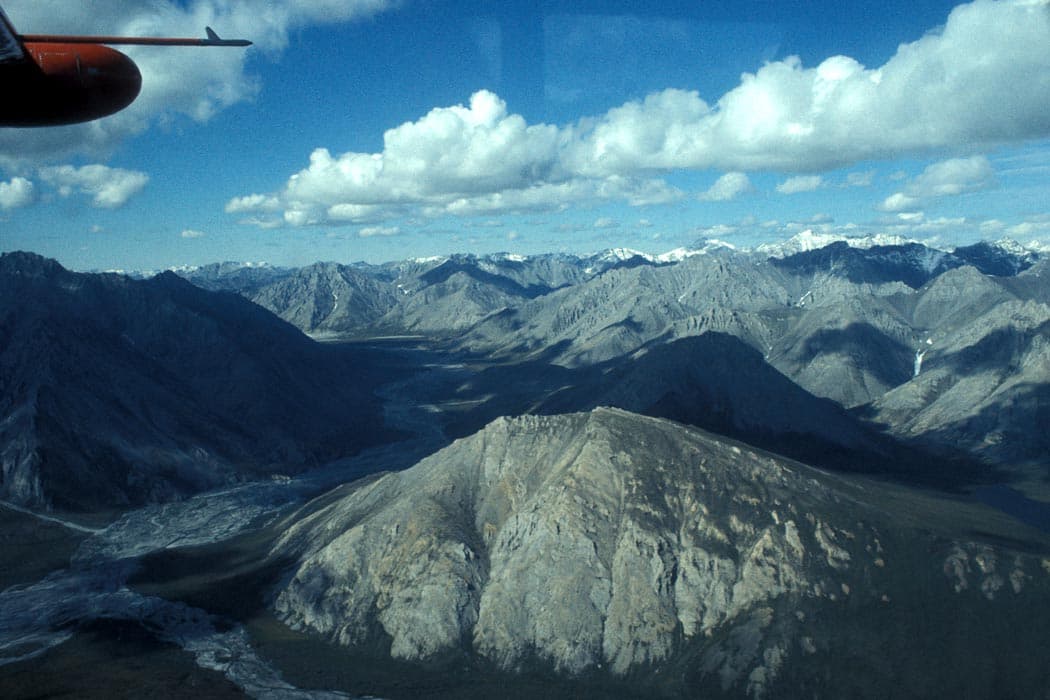
Experience pristine Arctic tundra, trophy fishing, and untouched Brooks Range scenery on this wild North Slope river.