Skip to content
Plan & Tour
DestinationsItinerariesTravel BlogAboutContact
0Sign inPlan a trip
Plan & TourPlan & Tour

Travel guides, destination inspiration and curated itineraries for Canada, the USA and beyond, plus a free tool to plan your own day-by-day trip.

Get travel inspiration

Explore

  • All Destinations
  • Curated Itineraries
  • Travel Blog
  • Plan a Trip

Topics

  • Hiking & Nature
  • Food & Drink
  • City Breaks
  • Budget Travel

Company

  • About Us
  • Contact
  • Privacy Policy
  • Terms of Service

© 2026 Plan & Tour. Built for travellers.

Discover the world, one trip at a time.

Ivishak River: Remote Wilderness Rafting in Alaska’s Arctic National Wildlife Refuge
  1. Home
  2. Destinations
  3. North Slope Borough
  4. Ivishak River: Remote Wilderness Rafting in Alaska’s Arctic National Wildlife Refuge
River

Ivishak River: Remote Wilderness Rafting in Alaska’s Arctic National Wildlife Refuge

Experience pristine Arctic tundra, trophy fishing, and untouched Brooks Range scenery on this wild North Slope river.

North Slope BoroughUpdated 17 August 2026

Why the Ivishak River Stands Out

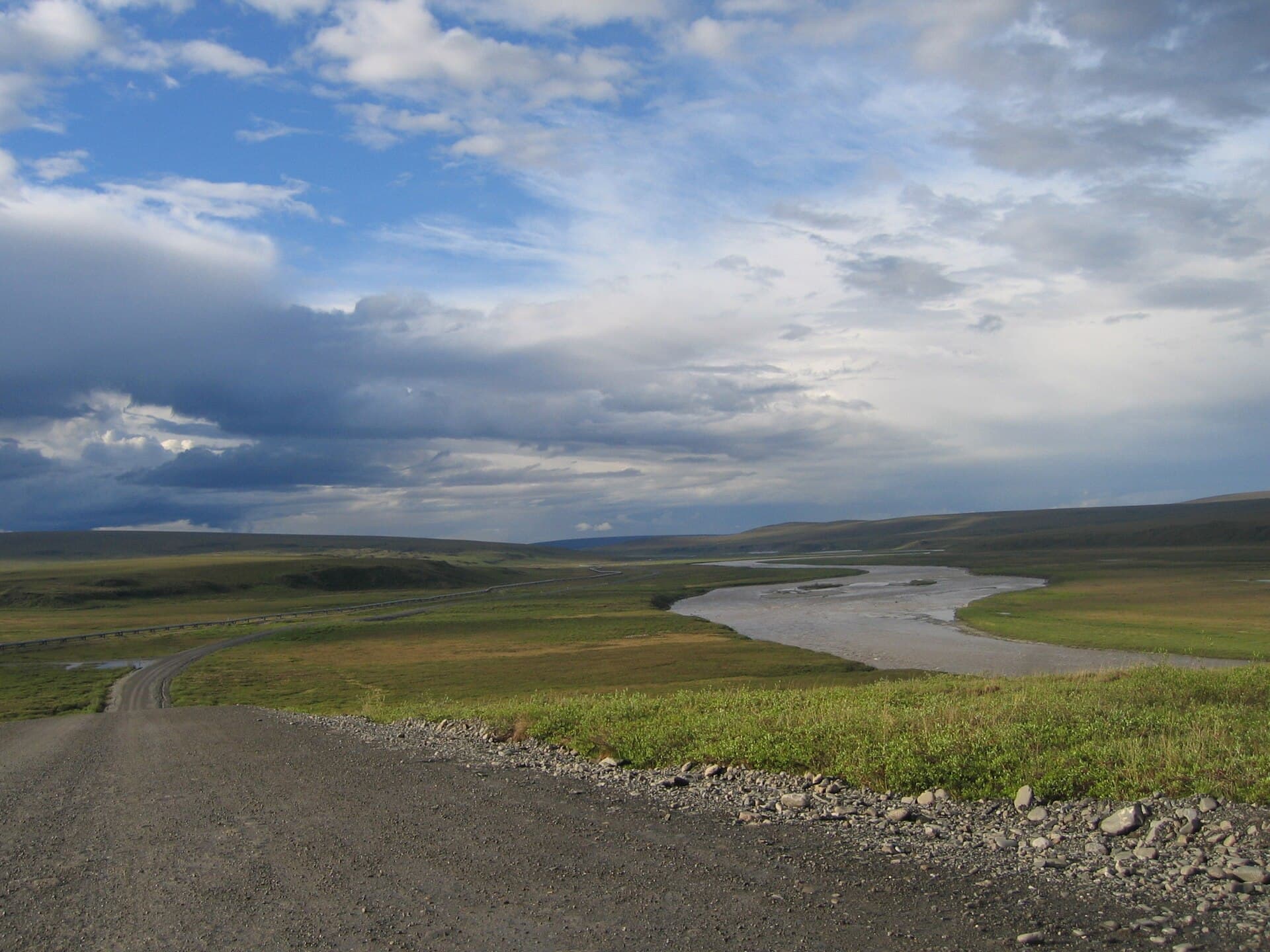
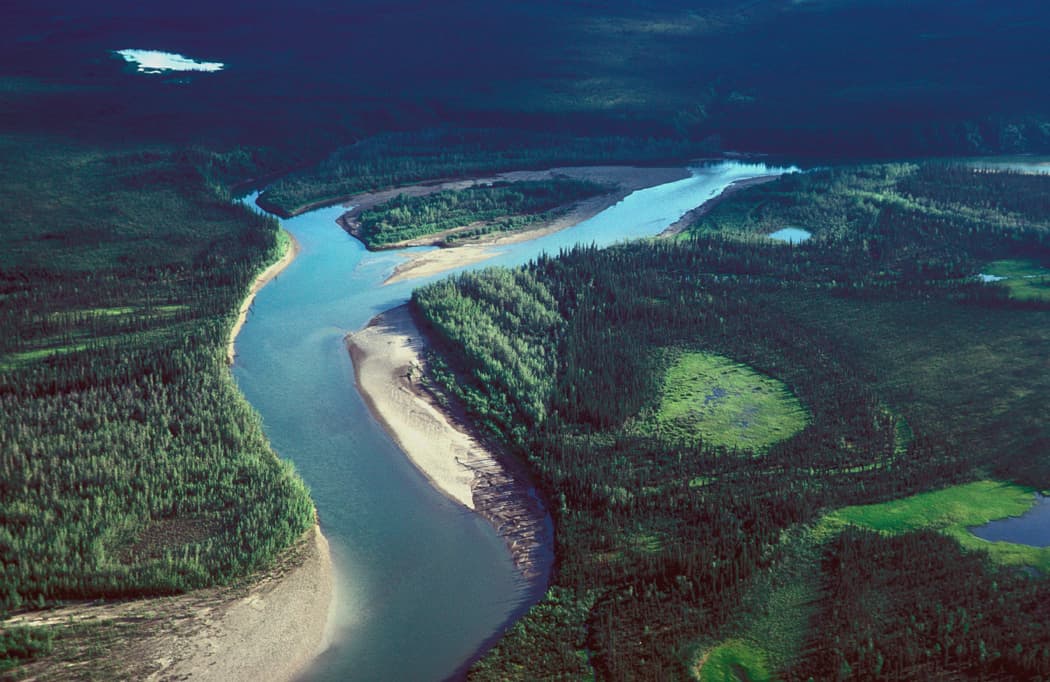
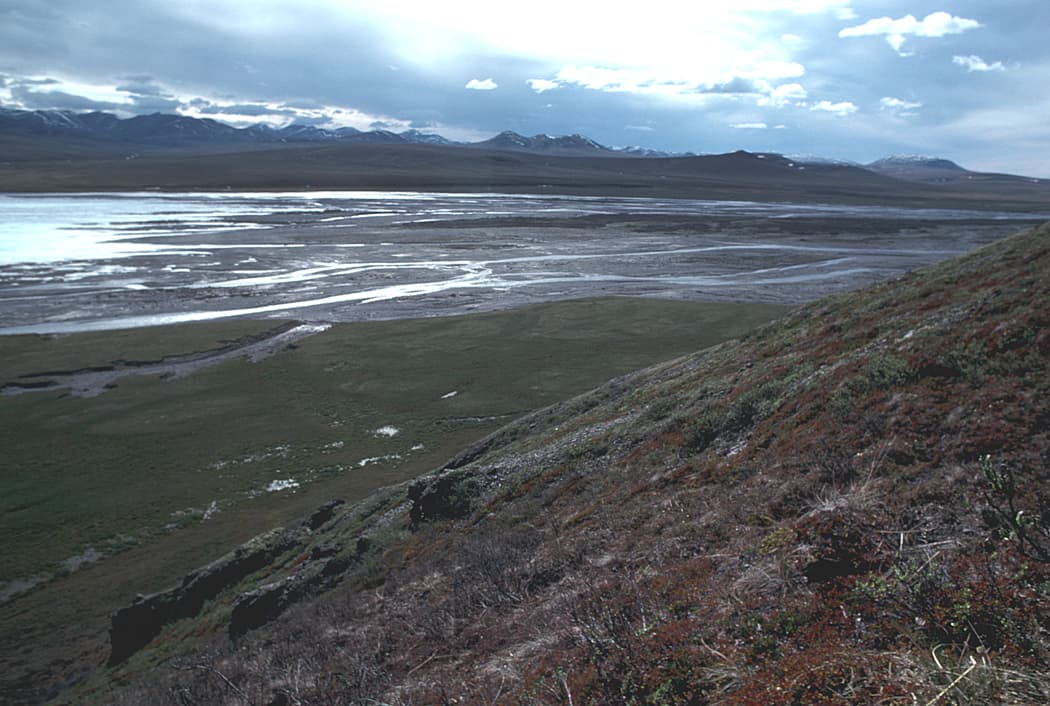
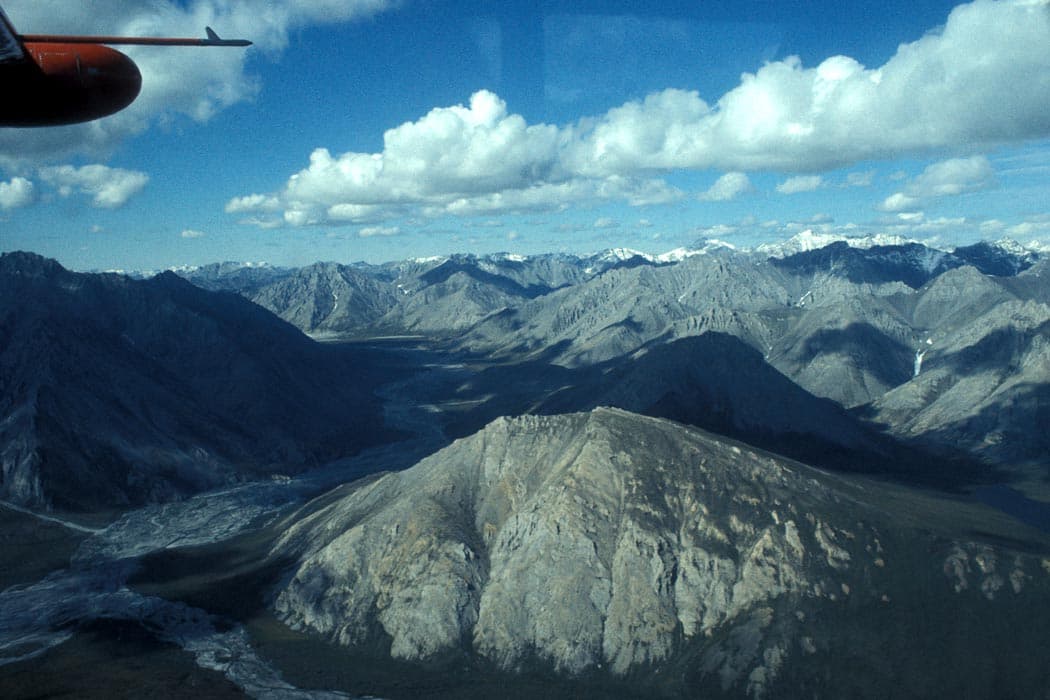
The Ivishak River flows north through the Arctic National Wildlife Refuge in Alaska’s North Slope Borough, offering one of the most remote and unaltered river experiences in North America. Its clear waters carve through rolling tundra and the northern foothills of the Brooks Range, creating a landscape shaped by caribou migrations, permafrost, and seasonal light. Visitors come for solitude rather than infrastructure; the river remains free of roads, lodges, or commercial development.

Activities and Experiences

Multi-day rafting trips are the primary way to explore the Ivishak. Floaters navigate Class I-II water with occasional boulder gardens, stopping for day hikes across tundra ridges or fishing for Arctic grayling and Dolly Varden char. Wildlife viewing is exceptional: herds of caribou cross the river in summer, grizzly bears forage along banks, and Dall sheep appear on higher slopes. Birders may spot gyrfalcons and golden eagles. Because the drainage lies within a designated wilderness area, all travel is self-supported; no outfitters maintain camps or shuttles on the river itself.

Fishing

The Ivishak supports healthy populations of Arctic grayling that rise readily to dry flies and larger char that hold in deeper pools. Anglers must follow Alaska sport-fishing regulations and practice catch-and-release for sustainability in this fragile ecosystem.

Getting There

Access begins with a commercial flight to Deadhorse (Prudhoe Bay) or Fairbanks, followed by a chartered bush plane or helicopter to a gravel bar put-in near the river’s headwaters. Return trips require either a downstream float to the Sagavanirktok River for pickup or an upstream flight from a prearranged gravel bar. All visitors must file a permit with the U.S. Fish and Wildlife Service before entering the refuge.

Best Time to Visit

June through mid-August offers the only practical window. River levels stabilize after spring breakup, tundra is snow-free, and 24-hour daylight allows flexible travel. Late August brings cooler temperatures and the first chance of snow; by September the river begins to freeze.

Nearby Areas

Travelers often combine an Ivishak trip with visits to the nearby Canning River or the coastal plain of the refuge. The Dalton Highway provides road access to the Sagavanirktok River drainage for those seeking a less technical float before or after a remote expedition.

Visitor tips

  • Pack all food, fuel, and shelter; no services or trash disposal exist along the river.
  • File a detailed itinerary and satellite communicator check-in schedule with refuge staff and a trusted contact.
  • Carry bear-resistant food containers and know how to store gear away from camp to minimize wildlife encounters.

Frequently asked questions

Do I need a permit to float the Ivishak River?+

Yes. All visitors to the Arctic National Wildlife Refuge must obtain a free permit from the U.S. Fish and Wildlife Service and follow Leave No Trace principles.

What kind of boat is suitable for the Ivishak?+

Stable inflatable rafts or packrafts handle the Class I-II water best; hard-shell canoes are rarely used due to remote access and potential lining sections.

Are there any established campsites along the river?+

No designated campsites exist. Camp on durable gravel bars well above the waterline and at least 100 yards from any wildlife trails.

How cold does it get in summer?+

Daytime highs in July average in the low 60s u00b0F, but nights can drop near freezing and sudden rain or wind can make conditions feel much colder.

Can I see the northern lights on an Ivishak trip?+

In early June or after mid-August, darkness returns long enough for aurora viewing when solar activity is favorable, though most trips occur under 24-hour daylight.

Share
Google Maps Apple Maps Directions

Image: Cline, David · Public domain · via Wikimedia Commons

Keep reading

Nearby & related

All stories
John River: Wilderness Float Trips in Alaska’s Remote Brooks Range
North Slope Borough

John River: Wilderness Float Trips in Alaska’s Remote Brooks Range

The John River offers intrepid travelers a rare chance to paddle through untouched Arctic wilderness in Alaska’s North…

17 August 2026
Kongakut River: Rafting Alaska’s Remote Arctic Wilderness
North Slope Borough

Kongakut River: Rafting Alaska’s Remote Arctic Wilderness

Experience pristine Arctic tundra, caribou migrations, and world-class fishing on the Kongakut River in Alaska’s Arctic…

17 August 2026
K
North Slope Borough

Kokolik River: Remote Arctic Wilderness in Alaska’s North Slope

The Kokolik River offers pristine tundra landscapes, exceptional fishing, and true solitude in Alaska’s far northern…

17 August 2026