Why Kamloops Lake Stands Out
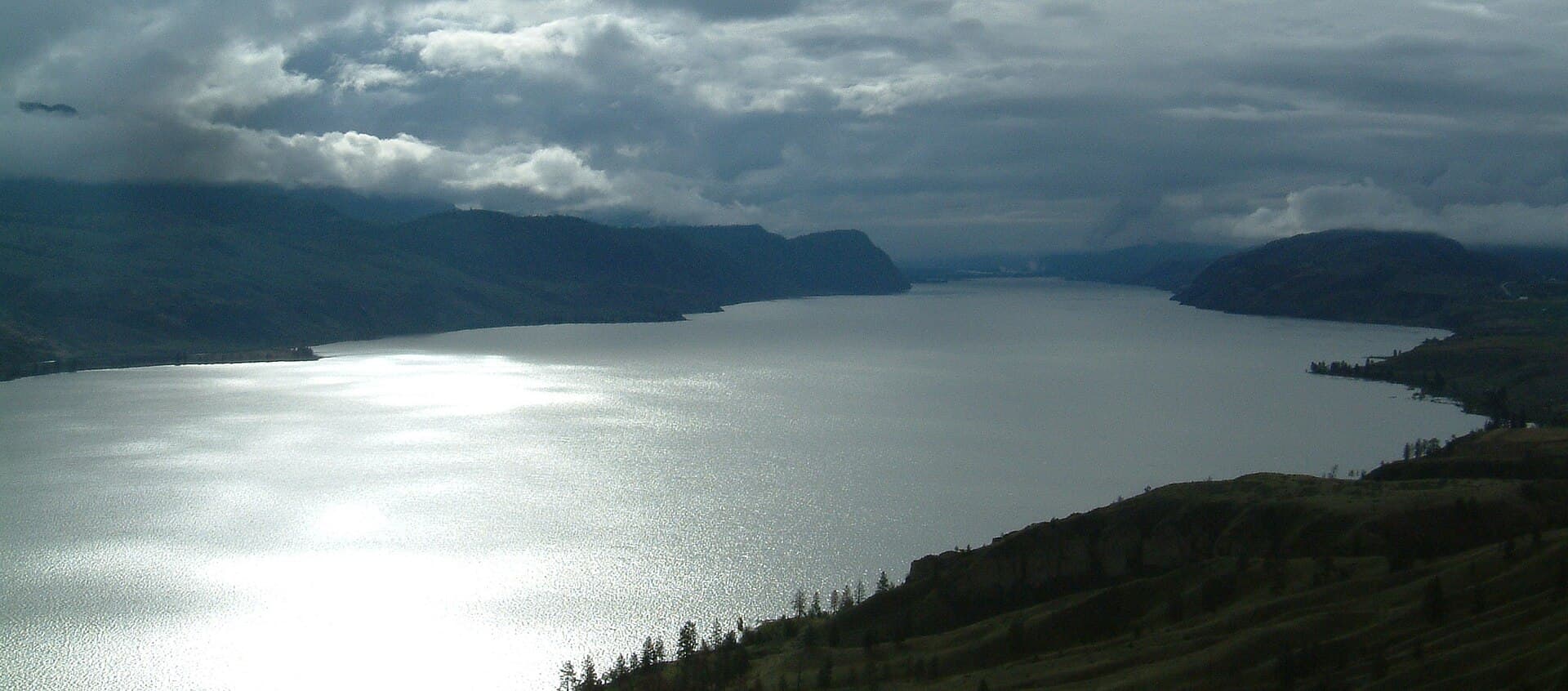
Kamloops Lake stretches 30 kilometres along the Thompson River valley, offering a rare combination of easy highway access and genuine wilderness shoreline. Unlike smaller mountain lakes, its size creates reliable wind for sailing and room for powerboats without constant crowding. The surrounding sagebrush hills and basalt cliffs give the water a striking turquoise hue in summer, while the lake itself remains part of the productive Thompson River salmon and trout fishery.
Things to Do
Swimming is popular at several public beaches on the north shore, where water temperatures reach comfortable levels by mid-July. Anglers target rainbow trout, Dolly Varden char, and seasonal Chinook and sockeye salmon from shore or boat; the lake’s depth supports both trolling and fly-fishing techniques. Boaters launch at the provincial park ramps and explore sheltered coves or cruise the full length toward Savona. On land, the lakeside section of the Trans Canada Trail provides flat walking and cycling, while nearby Lac Le Jeune and Paul Lake Provincial Parks offer steeper hikes with lake views. Birders watch for osprey, bald eagles, and migrating waterfowl along the reedy margins.
How to Get There
Kamloops Airport lies 15 minutes east of the lake. Drivers reach the main access points via the Trans-Canada Highway (Highway 1), exiting at Savona or at the Lac Le Jeune Road turnoff. The lake is roughly 350 kilometres northeast of Vancouver, a four-hour drive under normal conditions. Public transit is limited; most visitors rent cars or join guided fishing charters that provide transport from Kamloops hotels.
Best Time to Visit
July and August deliver the warmest water and longest days for swimming and boating. September brings fewer crowds, excellent fishing, and fall colours on the surrounding slopes. Spring and autumn shoulder seasons suit hiking and photography when winds are lighter. Winter visitors can ice-fish or snowshoe along the shoreline trails, though services are reduced.
Nearby Attractions
Kamloops itself offers the Secwepemc Museum and Heritage Park plus riverside trails along the South Thompson. A short drive west leads to the historic town of Cache Creek and the junction with Highway 97 for further exploration of the Cariboo. South of the lake, the Lac Le Jeune area provides additional fishing lakes and cross-country ski trails in winter.