Why the Thompson River Stands Out
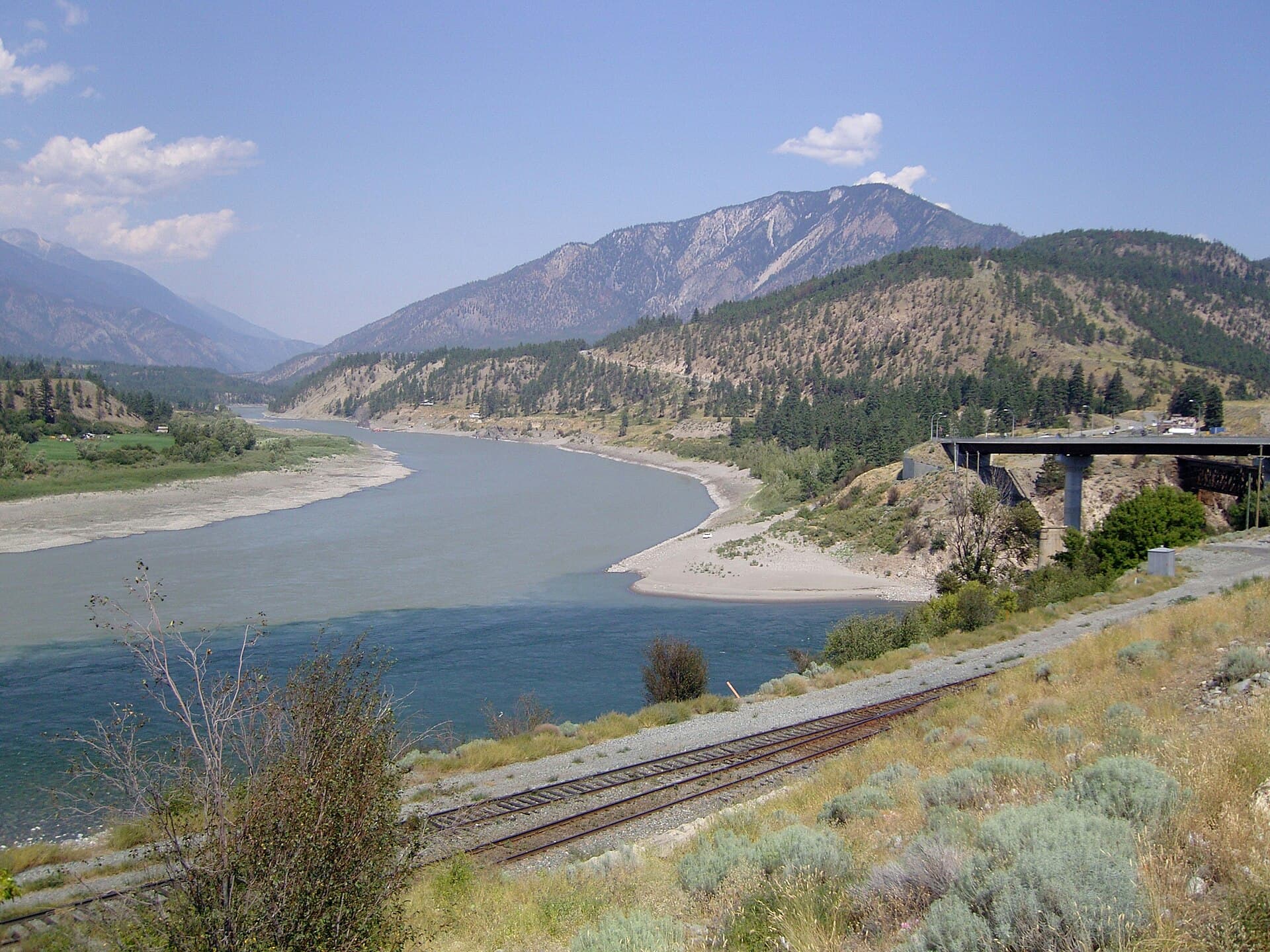
The Thompson River carves through the semi-arid interior of British Columbia, creating a striking contrast of sagebrush benches, basalt cliffs and clear turquoise water. Its two main branches, the North and South Thompson, meet at Kamloops and continue west to join the Fraser River, forming a corridor rich in salmon runs, wildlife and outdoor recreation. Visitors are drawn by the river’s reliable summer flows, dramatic canyon scenery and easy access from major highways.
Things to See and Do
White-water rafting and kayaking are the signature activities on the lower Thompson, with Class II–IV rapids offering excitement without extreme difficulty. Anglers target Chinook and coho salmon in fall, steelhead in winter and rainbow trout year-round; drift boats and guided trips are common. Scenic driving along Highway 1 reveals viewpoints at Goldpan Provincial Park and the Black Canyon, while short hikes lead to petroglyphs and riverside beaches. Wine tasting in the Thompson Valley and soaking at nearby hot springs provide relaxed alternatives to water sports.
Getting There and Getting Around
Kamloops serves as the main gateway, reached by air, rail or the Trans-Canada Highway. From Kamloops, the river is accessible at multiple public launches and roadside pullouts. A vehicle is useful for exploring both banks; limited shuttles operate for rafting clients. The river corridor is also served by the Canadian Pacific Railway, though passenger stops are infrequent.
Best Time to Visit
June through September offers the warmest weather and most consistent rafting water levels. Salmon fishing peaks in September and October, while steelhead runs extend into winter. Spring runoff can make the river muddy and powerful; shoulder seasons bring fewer crowds and excellent birdwatching. Winter visits are possible for hardy anglers but require preparation for cold temperatures and ice.
Nearby Places Worth Exploring
Within an hour’s drive are Wells Gray Provincial Park with its waterfalls, the town of Cache Creek for desert hiking and the historic gold-rush town of Lytton at the river’s confluence. The Nicola Valley and Shuswap Lake provide additional day-trip options for those based in Kamloops.