Keep reading
Nearby & related
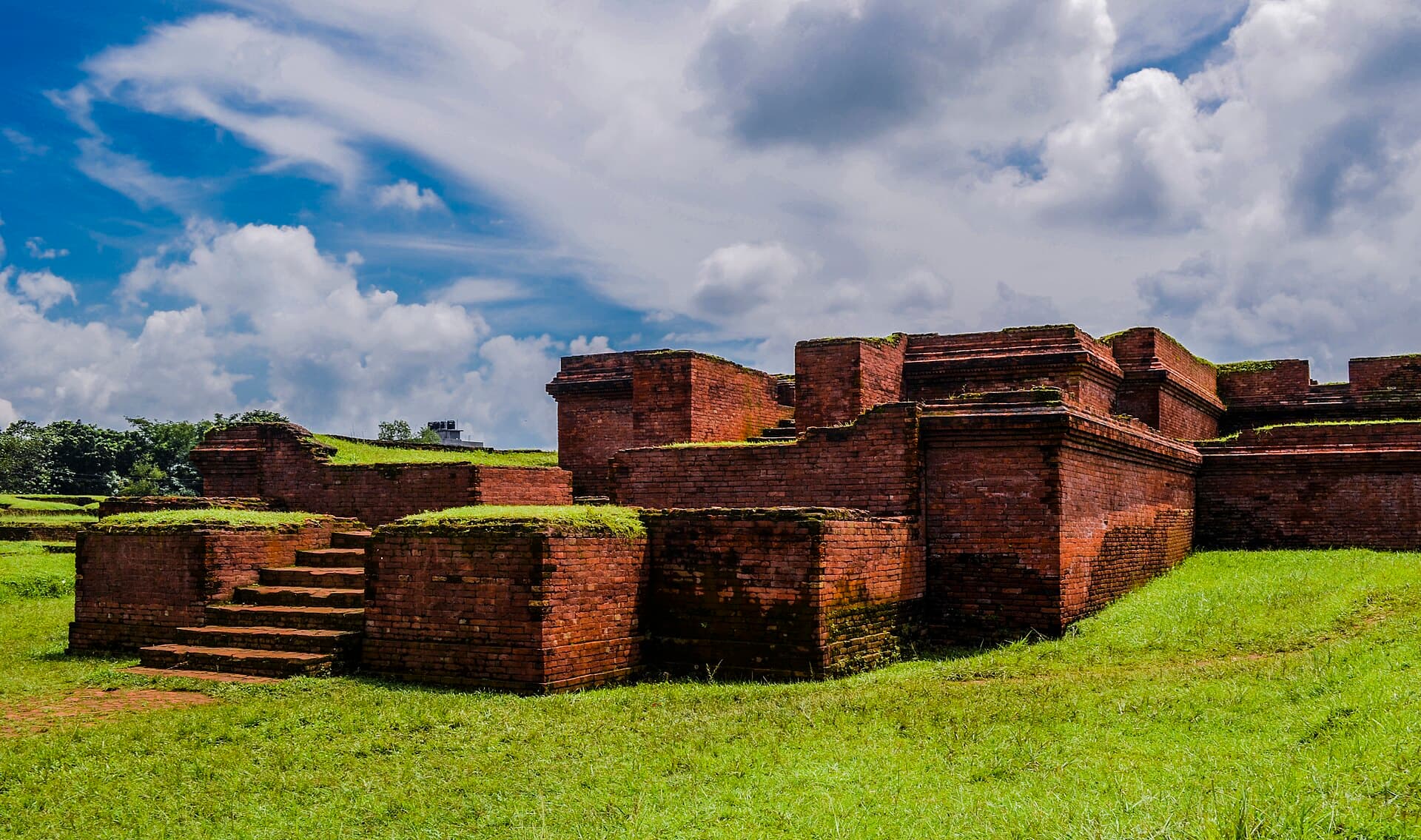
Shalban Vihara: Ancient Buddhist Ruins in Cumilla’s Mainamati Hills
Wander the terracotta-lined quadrangle of this 7th-century monastery, a key window into early Buddhist life in…
24 September 2026
A tidal lifeline through the Sundarbans offering wildlife, boat journeys, and quiet encounters with one of Asia’s richest ecosystems.
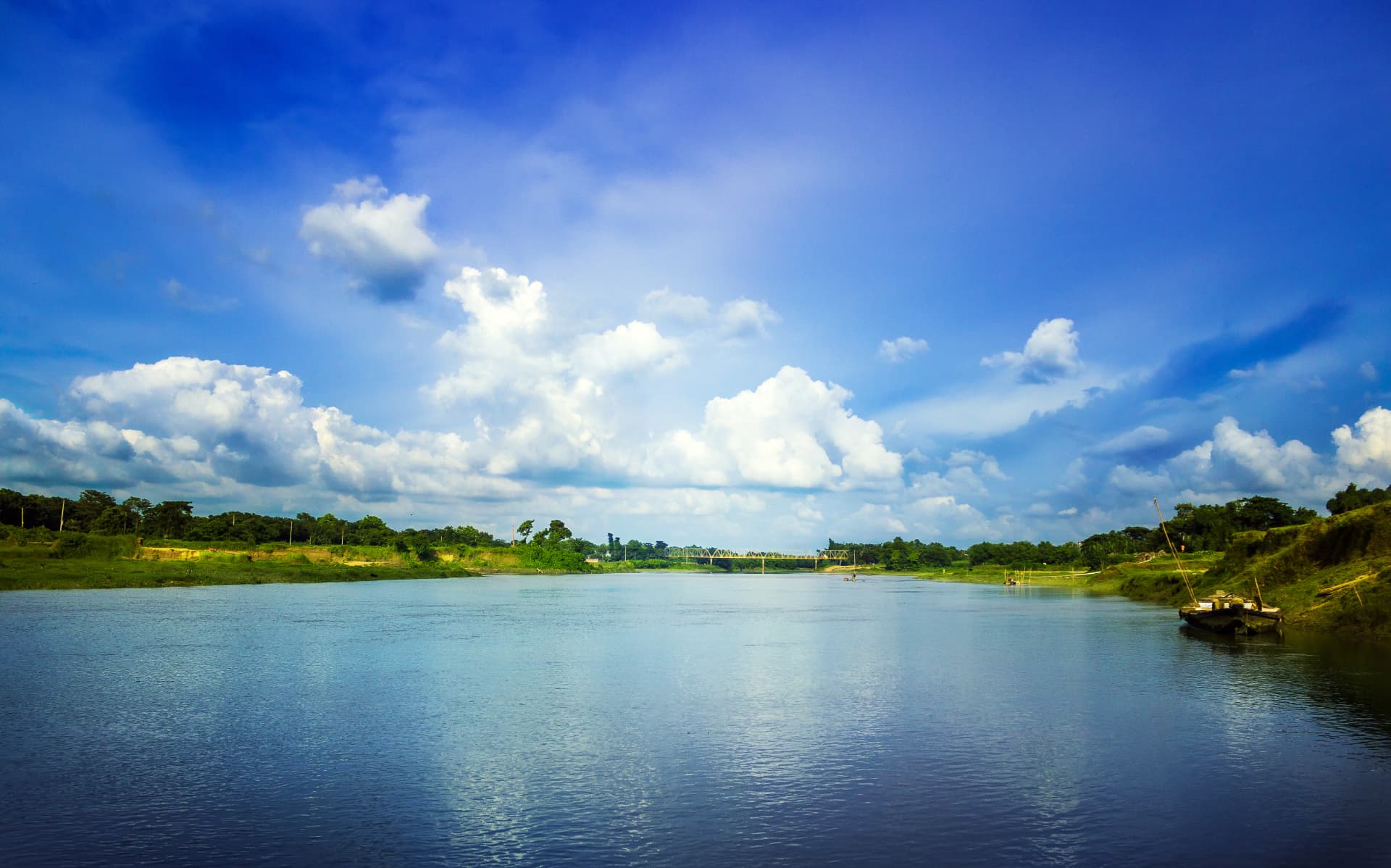
The Kalindi River carves through the northern edge of the Bangladesh Sundarbans, where freshwater meets tidal saltwater in a shifting landscape of mud banks and dense mangrove forest. Its calm waters provide access to remote creeks that larger vessels cannot reach, making it ideal for travelers seeking an intimate view of the world’s largest mangrove ecosystem without the crowds found at more famous entry points.
Most journeys begin in Khulna or Satkhira. From Dhaka, overnight buses or trains reach Khulna in roughly eight hours; from there, local buses or hired cars continue two to three hours to river launch points near Shyamnagar. Private or shared wooden boats depart at dawn for multi-hour trips along the Kalindi, often arranged through forest department permits or local tour operators. Travelers should allow a full day for transfers from major cities.
November through February offers the most comfortable conditions, with cooler temperatures, lower humidity, and reduced rainfall. The post-monsoon period also brings clearer water and more active birdlife. Avoid the June-to-September monsoon, when heavy rains swell the river and increase the risk of sudden weather changes.
Early morning and late afternoon boat rides reveal spotted deer grazing at the water’s edge, troops of rhesus macaques, and occasional glimpses of the elusive Royal Bengal tiger. More than 300 bird species frequent the area, including the masked finfoot and white-bellied sea eagle. The river’s mudflats support fiddler crabs and mudskippers, while the surrounding forest shelters saltwater crocodiles in quieter tributaries.
The Kalindi connects with the larger Raimangal River system and lies close to the Bangladesh portion of the Sundarbans Reserve Forest. Travelers often combine a river trip with stops at the nearby mangrove interpretation centers or the historic mosques of Bagerhat, roughly two hours north by road.
Keep reading
Wander the terracotta-lined quadrangle of this 7th-century monastery, a key window into early Buddhist life in…
Yes, entry into the Sundarbans Reserve Forest requires a permit from the Bangladesh Forest Department, usually arranged through your boat operator or tour guide.
Small wooden motor launches or rowboats allow access to narrow creeks; larger launches are comfortable for overnight stays but stay on wider channels.
Tigers rarely approach boats, but saltwater crocodiles can be present near the banks. Keep limbs inside the vessel and follow your guideu2019s instructions at all times.
It is possible but rushed; most visitors spend at least one night on or near the river to experience both sunrise and sunset wildlife activity.
Light rain jacket, binoculars, reusable water bottle, sun hat, and any personal medications. Leave single-use plastics behind to protect the mangrove environment.
Winding from the Tripura hills into Bangladesh, the Gumti River offers quiet boat rides, riverside villages, and easy…
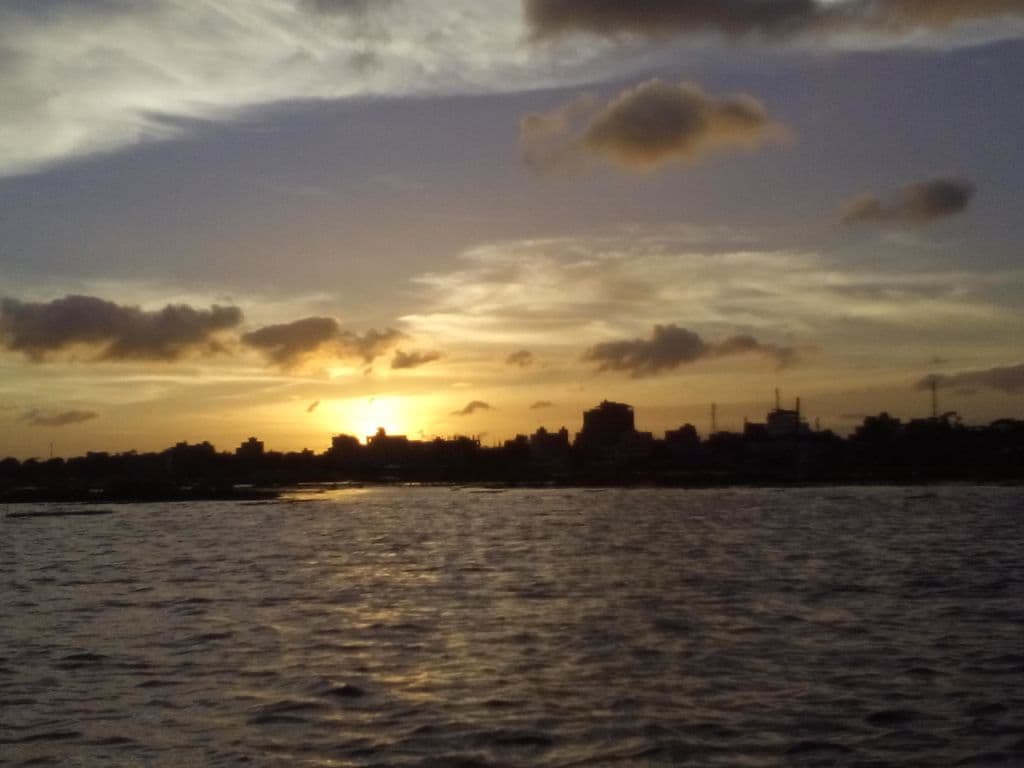
Glide along the Dakatia River for peaceful boat journeys through rural villages and lush farmland in Comilla and…