Why Visit Kaa-Iya del Gran Chaco
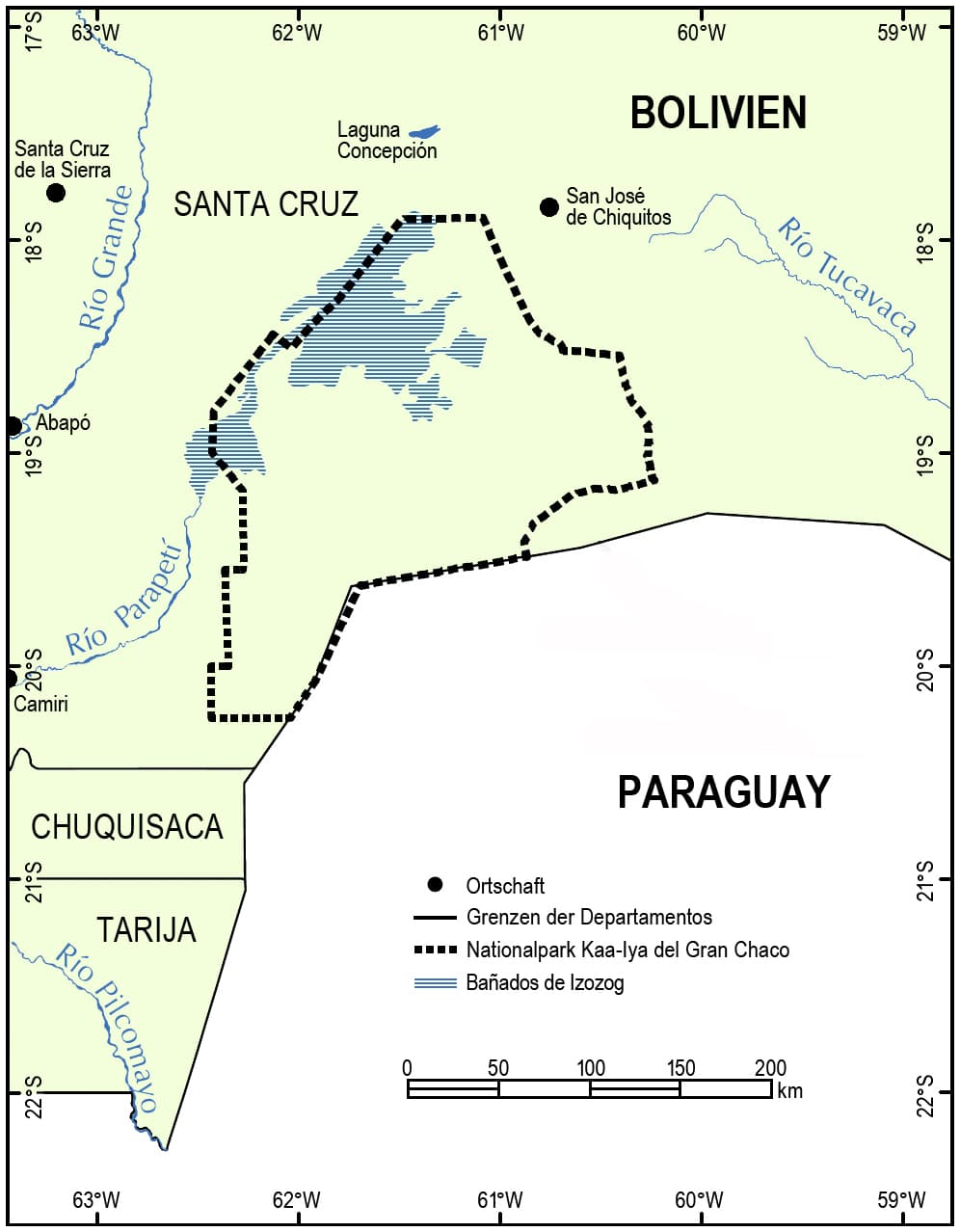
Spanning over 34,000 square kilometers across the Santa Cruz Department, Kaa-Iya del Gran Chaco National Park and Integrated Management Natural Area safeguards the largest tract of intact Chaco forest in South America. This vast, arid landscape of thorny woodlands, palm savannas, and seasonal rivers supports one of the continent’s highest densities of large mammals, including jaguars, pumas, giant armadillos, and three species of peccary. The park’s remoteness preserves both biodiversity and the traditional territories of the Ayoreo and Chiquitano peoples.
Wildlife and Ecosystems
Visitors who venture deep into the park encounter a mosaic of habitats shaped by seasonal rains. The dry forest harbors rare birds such as the Chaco chachalaca and black-legged seriema, while night drives often reveal tapirs and ocelots. The integrated management zone allows limited sustainable use by local communities, creating opportunities to learn about traditional plant knowledge and hunting practices alongside park rangers.
How to Get There
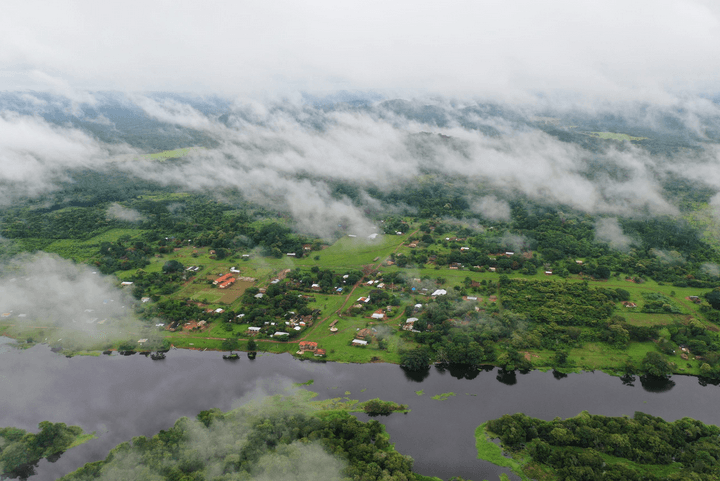
Access begins in Santa Cruz de la Sierra. Travelers typically drive southeast via the paved highway to Camiri, then continue on rough dirt roads toward the park entrance near the community of Izozog. A high-clearance 4×4 vehicle is essential; many sections become impassable after heavy rain. Most visitors arrange trips through licensed operators in Santa Cruz who coordinate with park authorities and indigenous communities for entry permits.
Best Time to Visit
The dry season from May to October offers the most reliable road conditions and concentrated wildlife around remaining water sources. Temperatures can exceed 40 °C during the day, so early-morning and evening excursions are recommended. The wet season (November–April) brings lush vegetation but makes roads nearly impassable and increases mosquito activity.
Activities and Experiences
- Multi-day 4×4 safaris with local guides to track jaguars and observe peccary herds.
- Visits to Ayoreo communities for cultural exchanges focused on traditional crafts and forest lore.
- Camping at designated sites under the vast Chaco sky, with opportunities for night walks to hear the calls of nocturnal mammals.
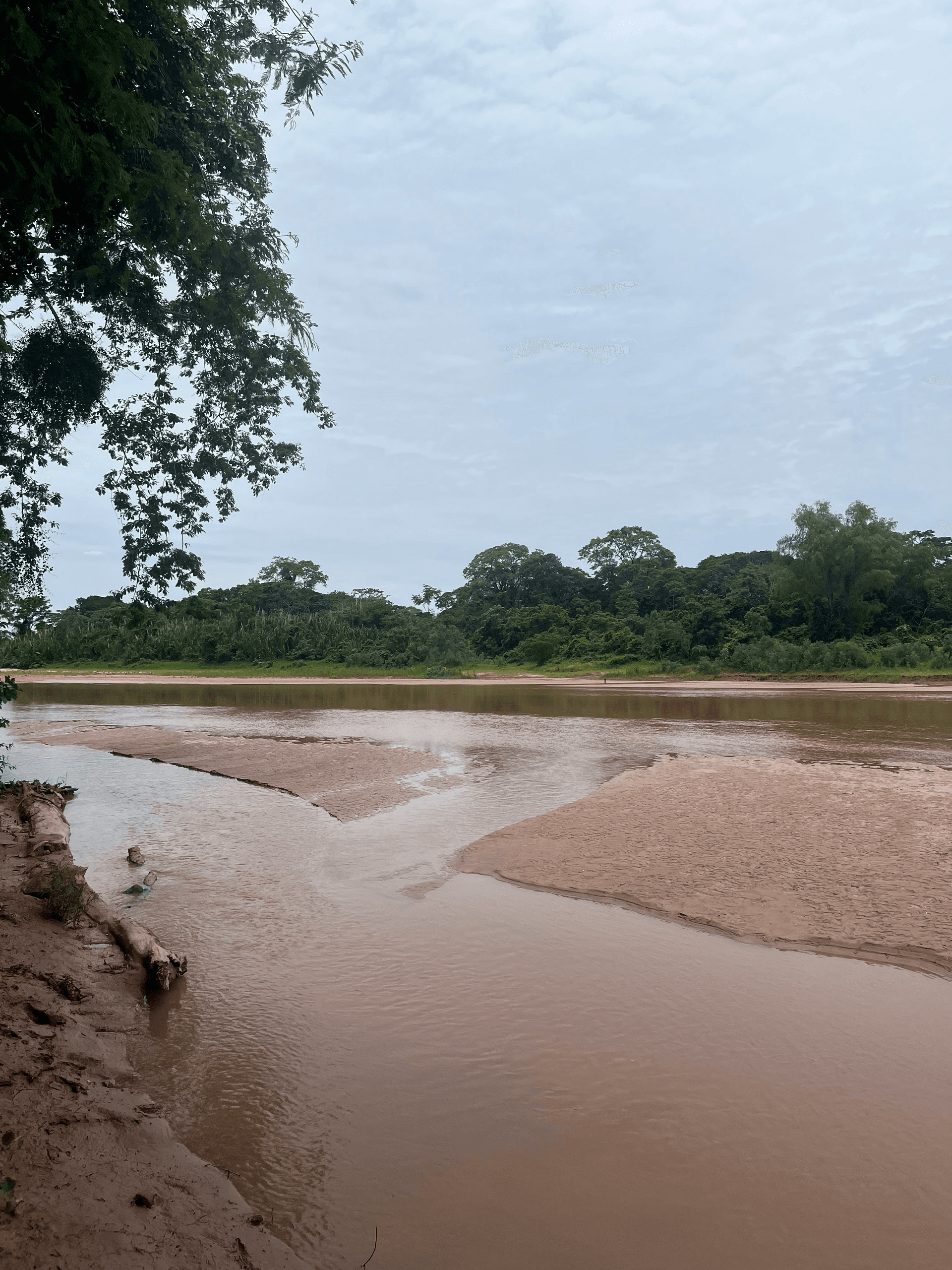
- Guided walks along riverbeds to spot giant armadillo burrows and learn about the park’s unique flora.
Independent travel is discouraged; all activities require prior coordination with park management and community authorities to ensure safety and respect for restricted zones.