
July Uprising Memorial Museum: A Tribute to Bangladesh’s Student Movement in Sher-e-Bangla Nagar
Discover the July Uprising Memorial Museum, where Bangladesh's recent history of protest and change comes alive through thoughtful exhibits and memorials.
Understanding the Significance
The July Uprising Memorial Museum stands in Sher-e-Bangla Nagar as a dedicated space honoring the student-led protests of 2024 that transformed Bangladesh’s political landscape. Located in central Dhaka, the museum preserves artifacts, photographs, and personal stories from the movement, offering visitors a direct connection to the events that led to major governmental shifts.
What to See and Do
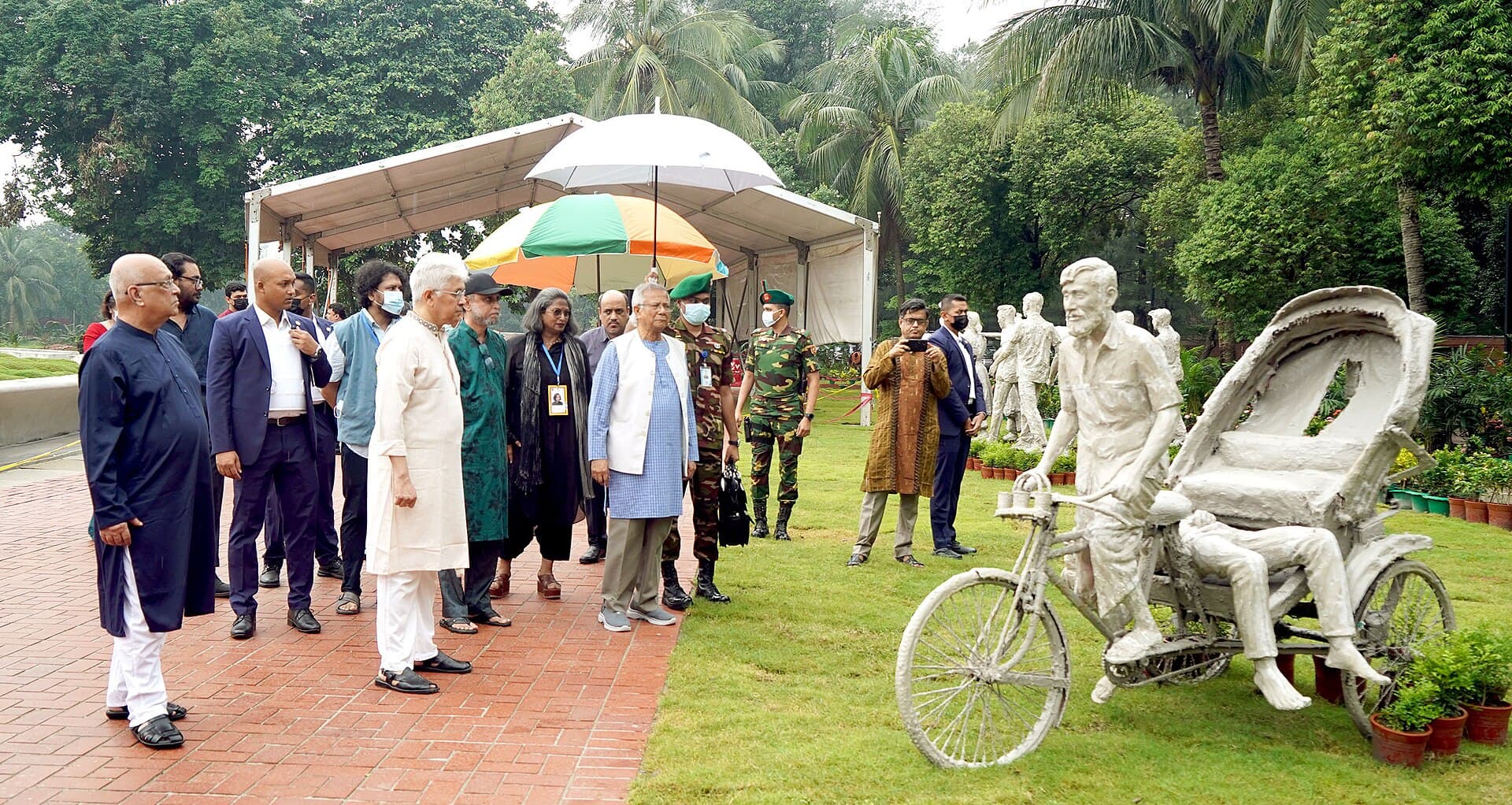
Exhibits focus on the timeline of demonstrations, key figures, and the social impact of the uprising. Visitors can explore galleries displaying protest banners, video footage of marches, and memorials to those who lost their lives. Interactive elements encourage reflection on themes of youth activism and democratic participation. Allow time to walk through the outdoor memorial area, which features sculptures and inscriptions commemorating the collective spirit of the protests.
Getting There
The museum sits within the Sher-e-Bangla Nagar neighborhood of Dhaka, easily accessible via local rickshaws, ride-hailing apps, or buses from central points like Shahbagh or Mirpur. From Hazrat Shahjalal International Airport, the journey typically takes 45 to 60 minutes by road depending on traffic. Public transport combined with a short walk provides an authentic way to experience daily life in the area.
Best Time to Visit
Plan your trip during the cooler months from November to February when Dhaka’s weather is most comfortable for outdoor exploration. Early mornings or weekdays help avoid larger crowds, allowing a more contemplative experience. The museum’s indoor spaces provide relief during the humid monsoon season, though heavy rains may affect travel around the city.
Nearby Attractions
Combine your visit with stops at the nearby National Parliament House, designed by Louis Kahn, or the serene grounds of the Bangladesh National Museum. The area also offers access to local markets and eateries serving traditional Bangladeshi cuisine, providing context on everyday life beyond the museum walls.
Visitor tips
- Dress modestly and carry water, as the site includes both indoor galleries and outdoor memorial spaces that require respectful attire and hydration in Dhaka's climate.