Why Visit Isla Suárez
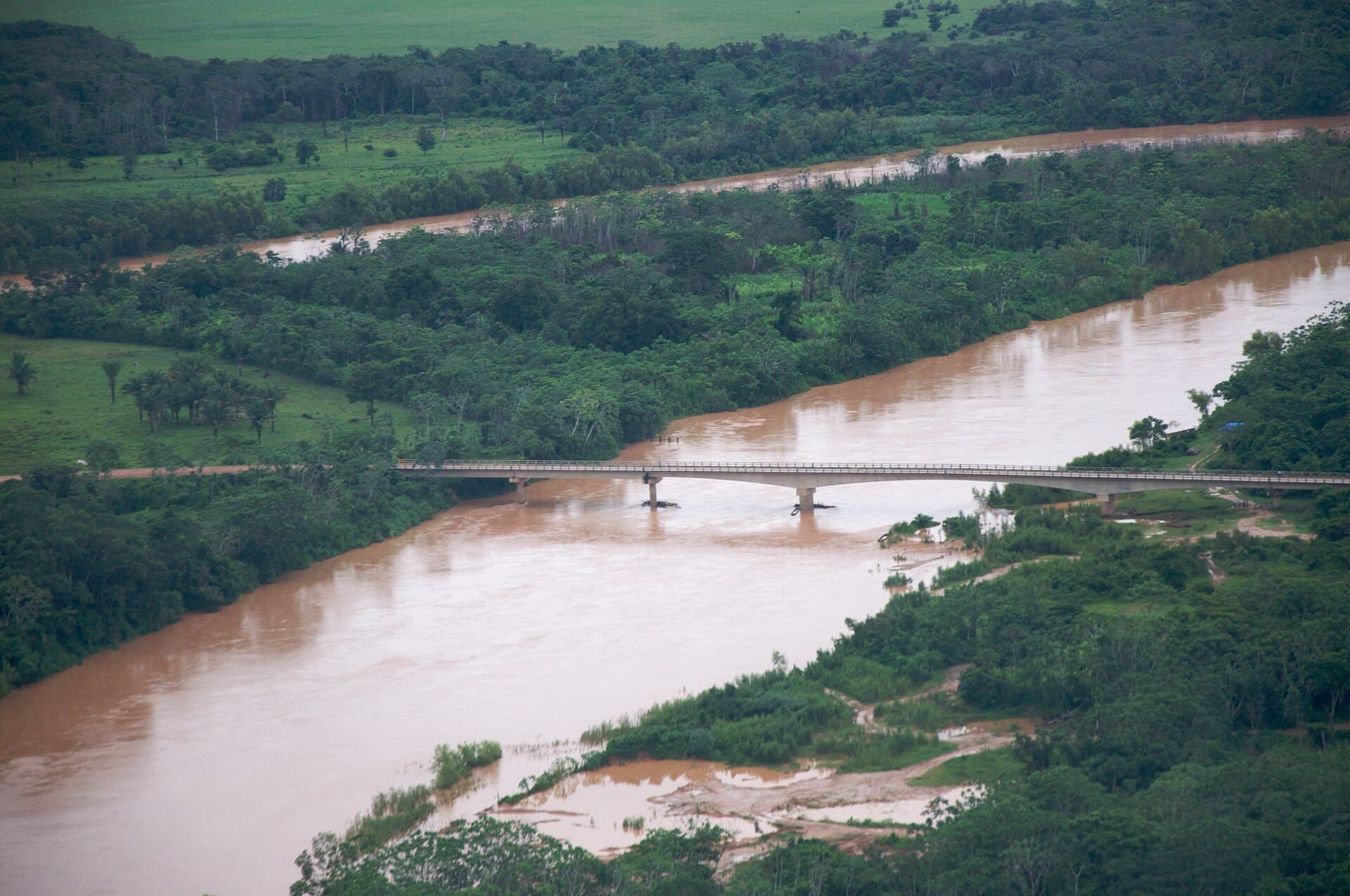
Isla Suárez, also known as Ilha de Guajará-Mirim on the Brazilian side, sits in the middle of the Mamoré River in Bolivia’s Beni Department. The island’s position creates a living border where Bolivian and Brazilian residents move freely by small boat, making it one of the most unusual places to experience two countries at once without formal checkpoints.
Getting There
Reach the island from Guayaramerín, Bolivia, or Guajará-Mirim, Brazil. Both towns lie directly on the riverbank. Local boatmen run short crossings year-round; the journey usually takes under thirty minutes. Travelers arriving in either town by bus or small plane can walk to the riverfront and arrange transport on the spot. No bridge connects the island to either mainland, so every visit begins and ends by water.
Best Time to Go
The dry season from May to October offers the most reliable boat service and comfortable walking conditions. During the wet months the river rises and parts of the low-lying island can flood, limiting exploration to higher ground.
What to See and Do
Walk the sandy trails that circle the island’s perimeter for views of the wide, brown Mamoré and the forested banks of both countries. Early morning or late afternoon boat rides reveal river dolphins and abundant birdlife. Many visitors simply sit on the riverbank to watch the steady traffic of dugout canoes carrying families, produce, and goods between the two nations. Local families sometimes sell fresh fish or fruit at informal riverside spots; purchases support the small resident community.
Crossing the Border
Because the island is shared, informal movement between the Bolivian and Brazilian halves is common. Carry a passport anyway; officials on either mainland may ask for identification upon return. The relaxed atmosphere makes Isla Suárez an easy introduction to binational travel for first-time visitors to the region.
Staying Nearby
Most travelers base themselves in Guayaramerín or Guajará-Mirim rather than overnighting on the island itself. Both towns offer simple hotels, markets, and restaurants serving regional fish dishes. A day trip to the island can be combined with a visit to the larger river port or a short drive into the surrounding Beni savanna for wildlife viewing.