History and Significance
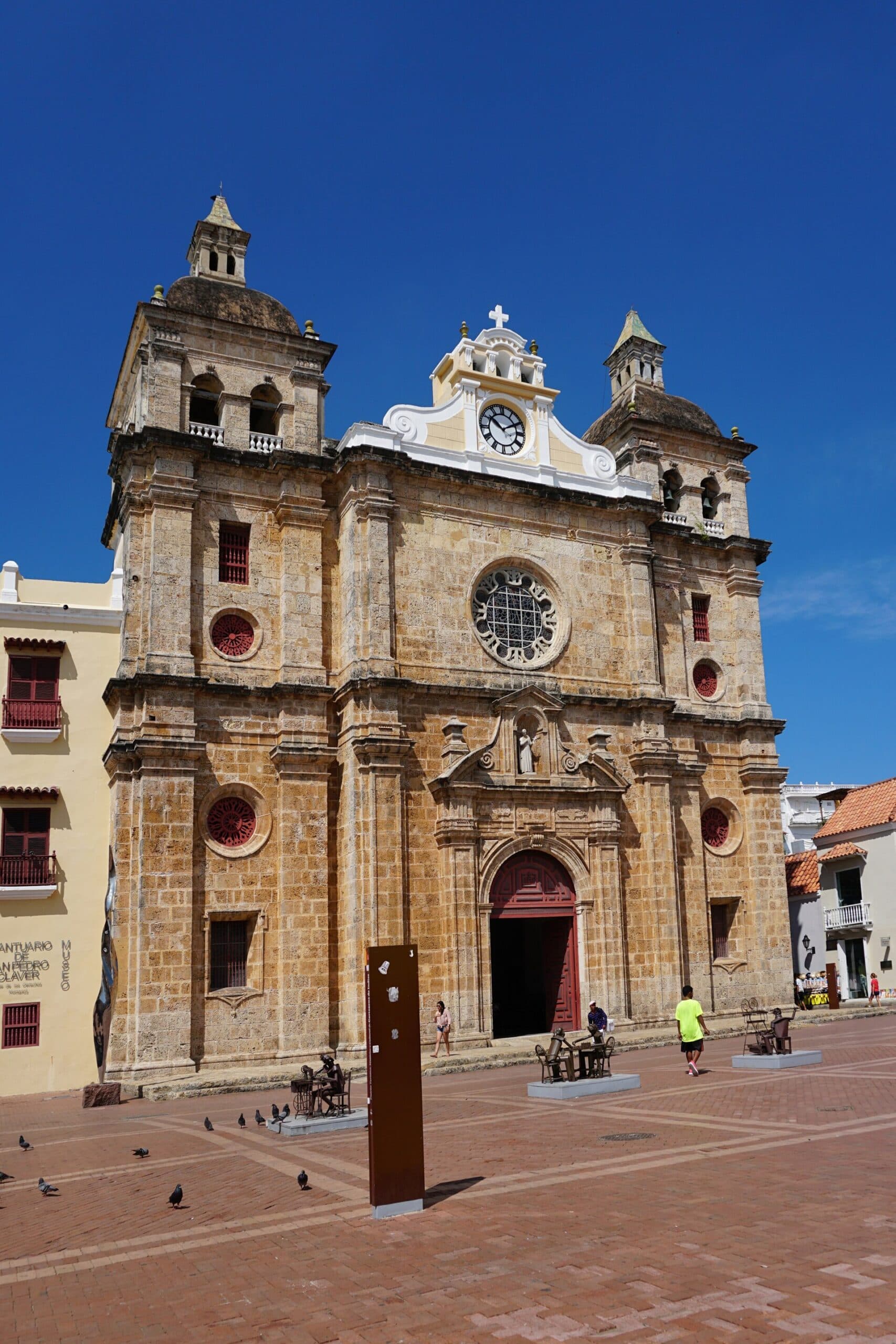
Built between 1580 and 1654 by Jesuit missionaries, Iglesia de San Pedro Claver stands as one of Cartagena’s most important religious sites. It honors Saint Peter Claver, who arrived in the city in 1610 and spent decades ministering to enslaved Africans arriving at the port. The church and adjacent monastery were declared a national monument in 1975 and form part of Cartagena’s UNESCO-listed historic center.
Architecture and Interior Highlights
The exterior shows restrained Baroque lines typical of colonial Cartagena, with thick stone walls designed to withstand Caribbean storms. Inside, visitors see a long nave lined with ornate altars, a central dome, and the preserved tomb of Saint Peter Claver beneath the main altar. Side chapels contain 18th-century religious paintings and relics, while the cloister garden offers a quiet courtyard with original stone arcades and tropical plants. A small museum in the former monastery displays period furnishings and documents related to Claver’s work.
Visiting the Church
The church sits on Plaza de San Pedro Claver, a short walk from the Clock Tower gate and Plaza de la Aduana. Arrive in the morning when light filters through the high windows and temperatures remain comfortable. Guided tours in Spanish and English are often available from local operators; independent visitors can explore the nave and museum at their own pace. Modest dress is expected, and photography is permitted without flash.
Nearby Attractions
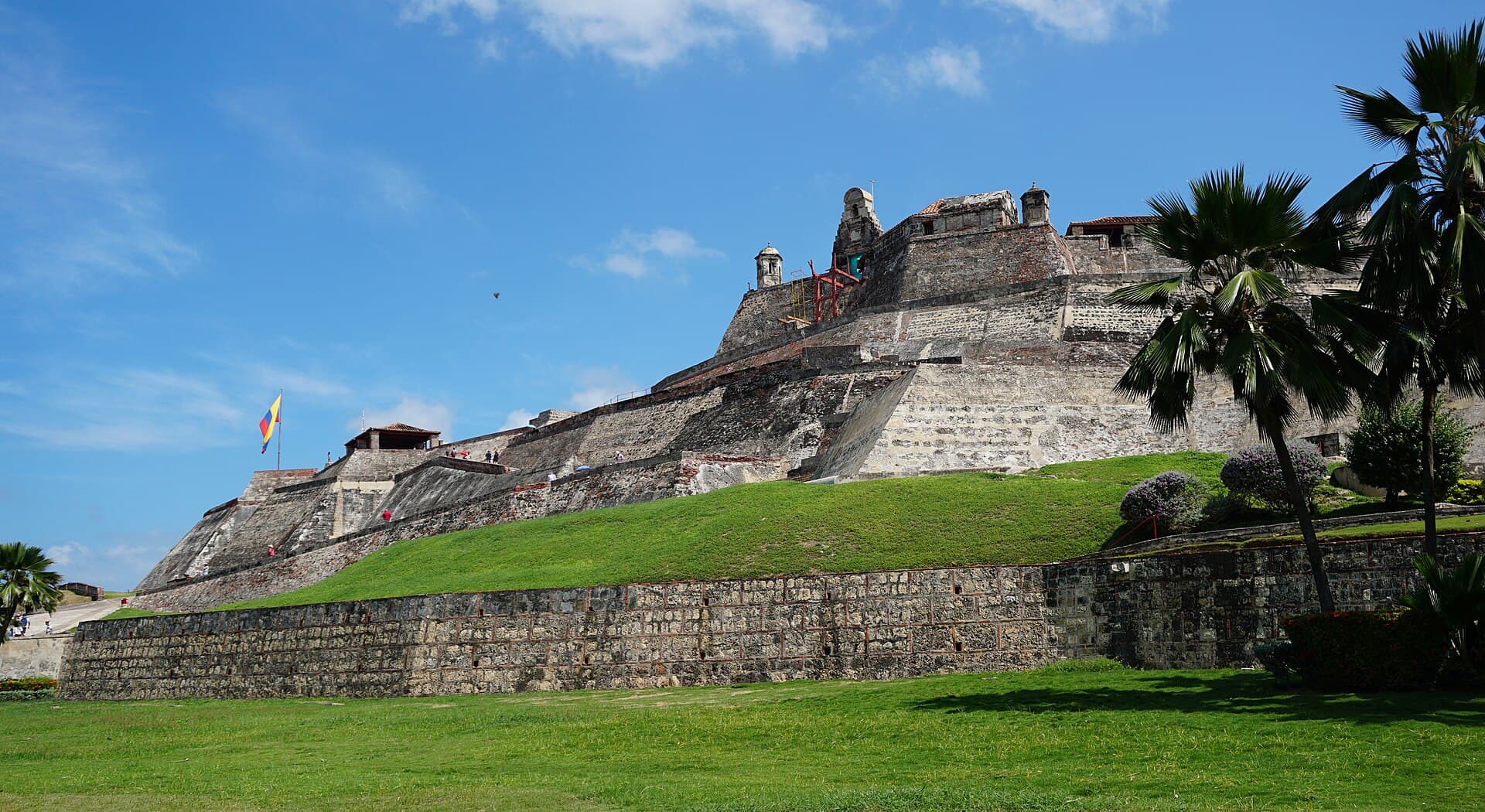
Combine a visit with the adjacent Plaza de la Aduana and the colorful streets of Getsemaní. The Castillo San Felipe de Barajas fortress lies a short taxi ride away, while the Convento de la Popa offers panoramic views over the city and bay. Cafés and fruit vendors line the surrounding plazas, making it easy to extend an afternoon of sightseeing.