History and Strategic Importance
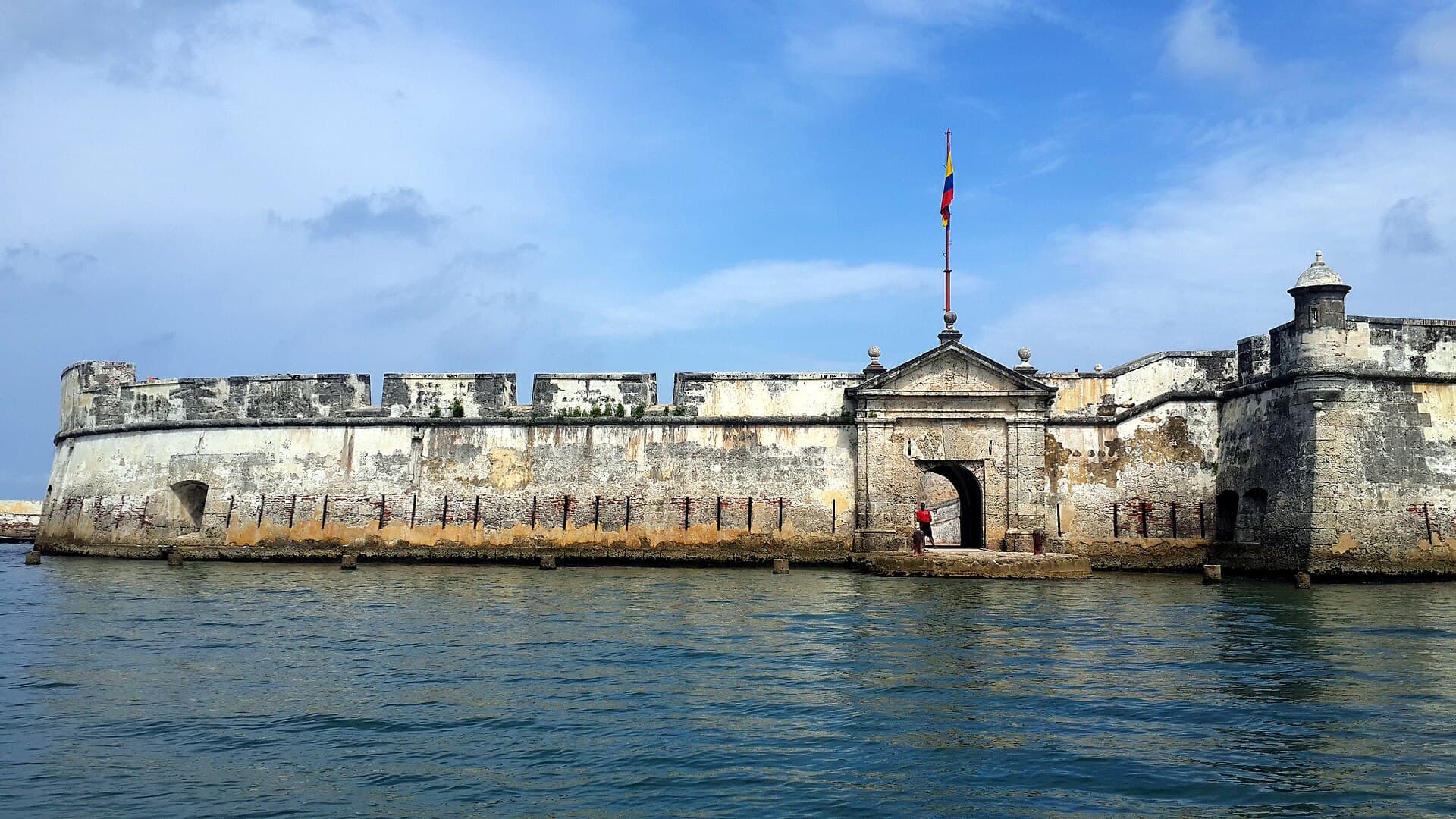
The Castle of San Luis de Bocachica stands as a key link in Cartagena’s colonial defense network. Built to protect the narrow Bocachica channel, the fortress helped repel pirate attacks and foreign fleets seeking access to the city’s wealthy port. Its thick stone walls and strategic placement on Isla de Bocachica made it a vital outpost during the height of Spanish rule in the Caribbean.
What to See and Do
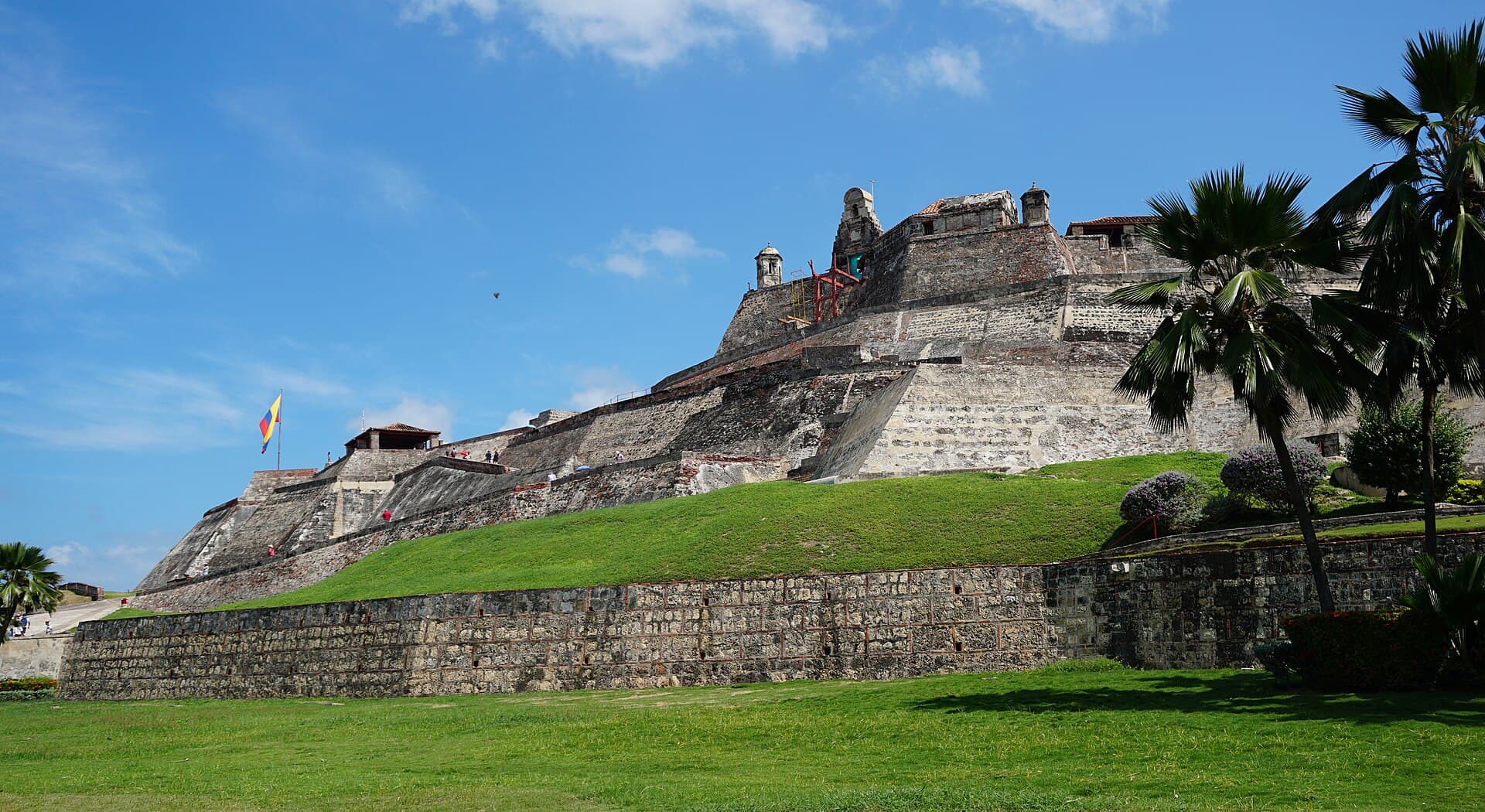
Walk the ramparts to trace the outlines of gun emplacements and powder magazines that once guarded the bay. The central courtyard and surviving vaulted rooms offer a sense of how soldiers lived under constant threat of siege. Panoramic views extend across the water to the distant skyline of Cartagena and the mangrove-fringed shores of nearby islands. Photographers find dramatic angles from the seaward bastions, especially at sunrise when light rakes across the stonework.
How to Get There
Reaching the castle requires a short boat ride from Cartagena’s harbor or the fishing village of La Boquilla. Private or shared launches depart regularly for Isla de Bocachica; once ashore, a brief walk leads to the fortress entrance. Combine the visit with a half-day boat circuit that also stops at Fort San Fernando and the beaches of Isla del Pirata for a fuller picture of the bay’s defenses.
Best Time to Visit
The driest months, from December through April, bring calmer seas and clearer skies, ideal for boat travel and outdoor exploration. Mornings offer cooler temperatures and fewer crowds. Afternoon visits can coincide with the steady trade winds that keep the site comfortable even in the tropical heat.
Nearby Attractions
After touring San Luis, many travelers continue to the larger Fort San Fernando on the same island or head back to Cartagena’s walled Old Town to explore the Castillo San Felipe de Barajas. The nearby Rosario Islands provide opportunities for snorkeling and beach time, while the mangroves around Bocachica itself support quiet kayak excursions that reveal the natural setting of the historic forts.