Skip to content
Plan & Tour
DestinationsItinerariesTravel BlogAboutContact
0Sign inPlan a trip
Plan & TourPlan & Tour

Travel guides, destination inspiration and curated itineraries for Canada, the USA and beyond, plus a free tool to plan your own day-by-day trip.

Get travel inspiration

Explore

  • All Destinations
  • Curated Itineraries
  • Travel Blog
  • Plan a Trip

Topics

  • Hiking & Nature
  • Food & Drink
  • City Breaks
  • Budget Travel

Company

  • About Us
  • Contact
  • Privacy Policy
  • Terms of Service

© 2026 Plan & Tour. Built for travellers.

Discover the world, one trip at a time.

Castillo de San Felipe de Barajas: Cartagena’s Mighty Colonial Fortress
  1. Home
  2. Destinations
  3. Cartagena
  4. Castillo de San Felipe de Barajas: Cartagena’s Mighty Colonial Fortress
Castle

Castillo de San Felipe de Barajas: Cartagena’s Mighty Colonial Fortress

Climb the ramparts of the Americas' largest Spanish fortress for tunnels, sweeping bay views, and centuries of defensive ingenuity.

CartagenaUpdated 26 November 2026

History and Significance

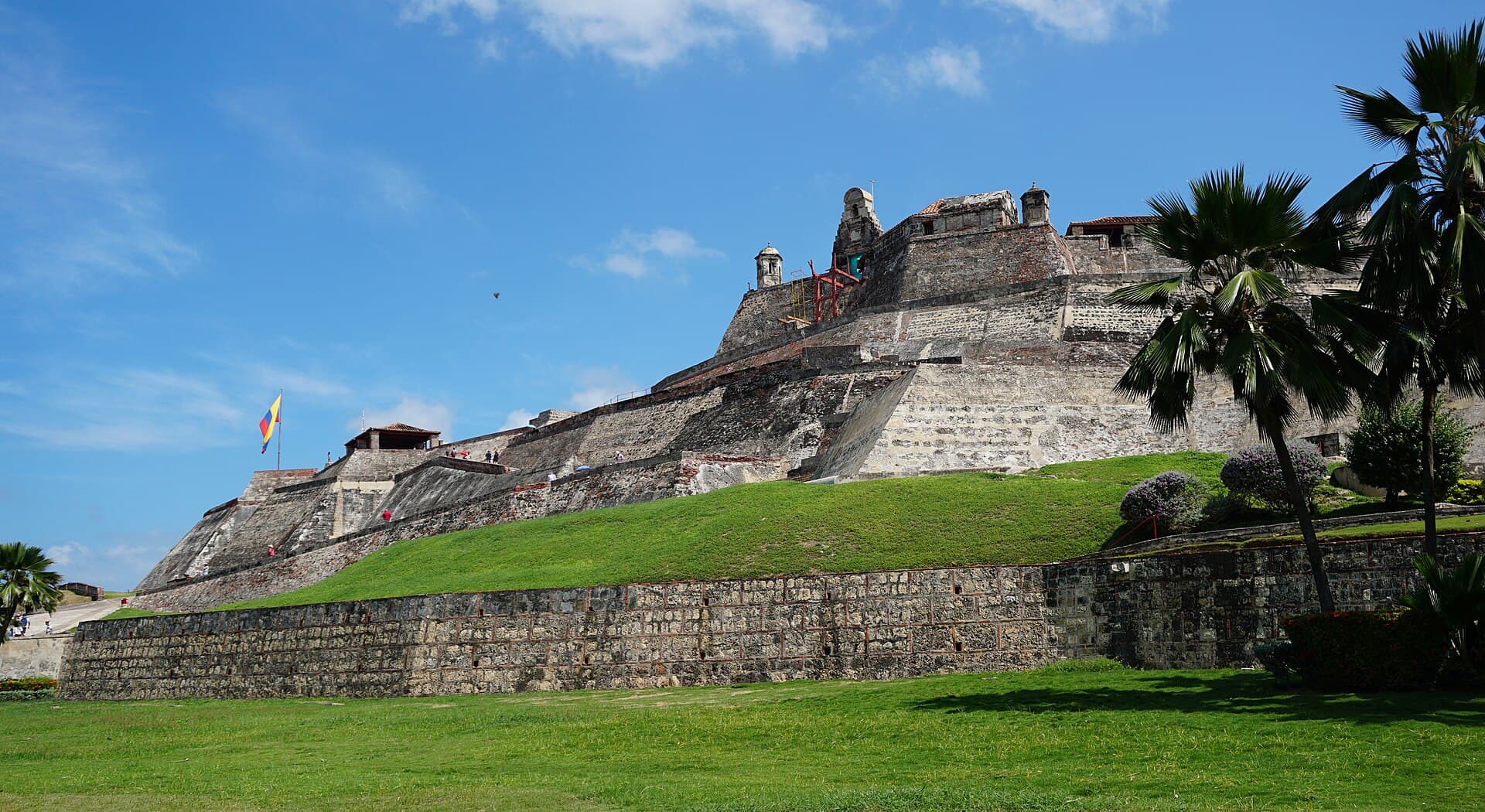
Built in the mid-17th century on San Lázaro Hill, Castillo de San Felipe de Barajas was Cartagena’s primary line of defense against pirates and rival European powers. Its star-shaped design, underground tunnels, and layered batteries allowed a small garrison to repel much larger forces, most famously during the 1741 British siege led by Admiral Vernon.

What to See and Do

Begin at the main gate and follow the ramp that climbs through successive defensive walls. Inside, explore the network of cool, dimly lit tunnels that once let soldiers move unseen between positions; some still bear original gunpowder storage niches. Surface-level highlights include the upper battery platforms offering panoramic views over the Caribbean, the old city, and the harbor, as well as the restored chapel and powder magazine. Informative plaques in Spanish and English explain the fort’s evolution through several expansions.

Practical Tips for Exploring

  • Allow at least ninety minutes to walk the full circuit without rushing.
  • Bring a flashlight or use your phone’s light in the longer tunnels.
  • Combine the visit with sunset from the upper terraces for cooler temperatures and dramatic light.

How to Get There

The fortress sits on the edge of Cartagena’s historic center, roughly a 20-minute walk uphill from the Old City gates or a short taxi ride from anywhere inside the walled district. Public buses labeled “Castillo” run from the city center; many visitors choose to walk one way and return by taxi to spare their legs on the return descent.

Best Time to Visit

Cartagena’s dry season from December through April offers the most comfortable conditions, with lower humidity and minimal rain. Arrive early in the morning or late afternoon to avoid midday heat and school groups. Evenings feature occasional sound-and-light shows that illuminate the tunnels, though the fort remains accessible daily year-round.

Nearby Attractions

After touring the castle, descend into the Old Walled City to wander the colorful streets of Getsemaní, visit the Museo del Oro, or relax along the waterfront at Plaza de las Bóvedas. The nearby Convento de la Popa offers another hilltop panorama and pairs well for a half-day excursion.

Visitor tips

  • Wear comfortable walking shoes with good grip; the stone surfaces and steep ramps are uneven and can be slippery when wet.
  • Carry water and sun protection; shade is limited once you reach the upper levels.
  • Purchase a combined ticket if available that includes entry to the Castillo and nearby museums to save time at the gate.

Frequently asked questions

How long does it take to visit Castillo de San Felipe de Barajas?+

Most visitors spend 90 minutes to two hours exploring the tunnels and ramparts at a comfortable pace.

Is the fortress accessible for people with mobility issues?+

The main paths involve steep ramps and uneven stone; wheelchair access is limited to the lower plaza and a few ground-level areas.

Can I take photos inside the tunnels?+

Photography is permitted throughout the site, though flash is discouraged in the darker passages to preserve the atmosphere.

Are guided tours available?+

Licensed guides often wait near the entrance and offer Spanish or English tours lasting about one hour; private bookings can also be arranged in the Old City.

What should I bring on a visit?+

Comfortable shoes, water, sunscreen, and a light layer for the shaded tunnels are recommended; cash is useful for on-site vendors selling water and souvenirs.

Share
Google Maps Apple Maps Directions

Image: Mariordo (Mario Roberto Durán Ortiz) · CC BY-SA 4.0 · via Wikimedia Commons

Keep reading

Nearby & related

All stories
Iglesia de San Pedro Claver: Cartagena’s Historic Jesuit Church
Cartagena

Iglesia de San Pedro Claver: Cartagena’s Historic Jesuit Church

Explore the 17th-century church honoring the patron saint of enslaved people in Cartagena’s Old Town.

27 November 2026
I
Cartagena

Isla Marina: Cartagena’s Quiet Island Sanctuary

Discover pristine beaches, coral reefs, and relaxed island life on Isla Marina in Colombia’s Rosario archipelago.

27 November 2026
Castle of San Luis de Bocachica: Cartagena’s Historic Bay Fortress
Cartagena

Castle of San Luis de Bocachica: Cartagena’s Historic Bay Fortress

This 18th-century Spanish stronghold on Isla de Bocachica defends the entrance to Cartagena’s harbor and rewards…

27 November 2026