Keep reading
Nearby & related
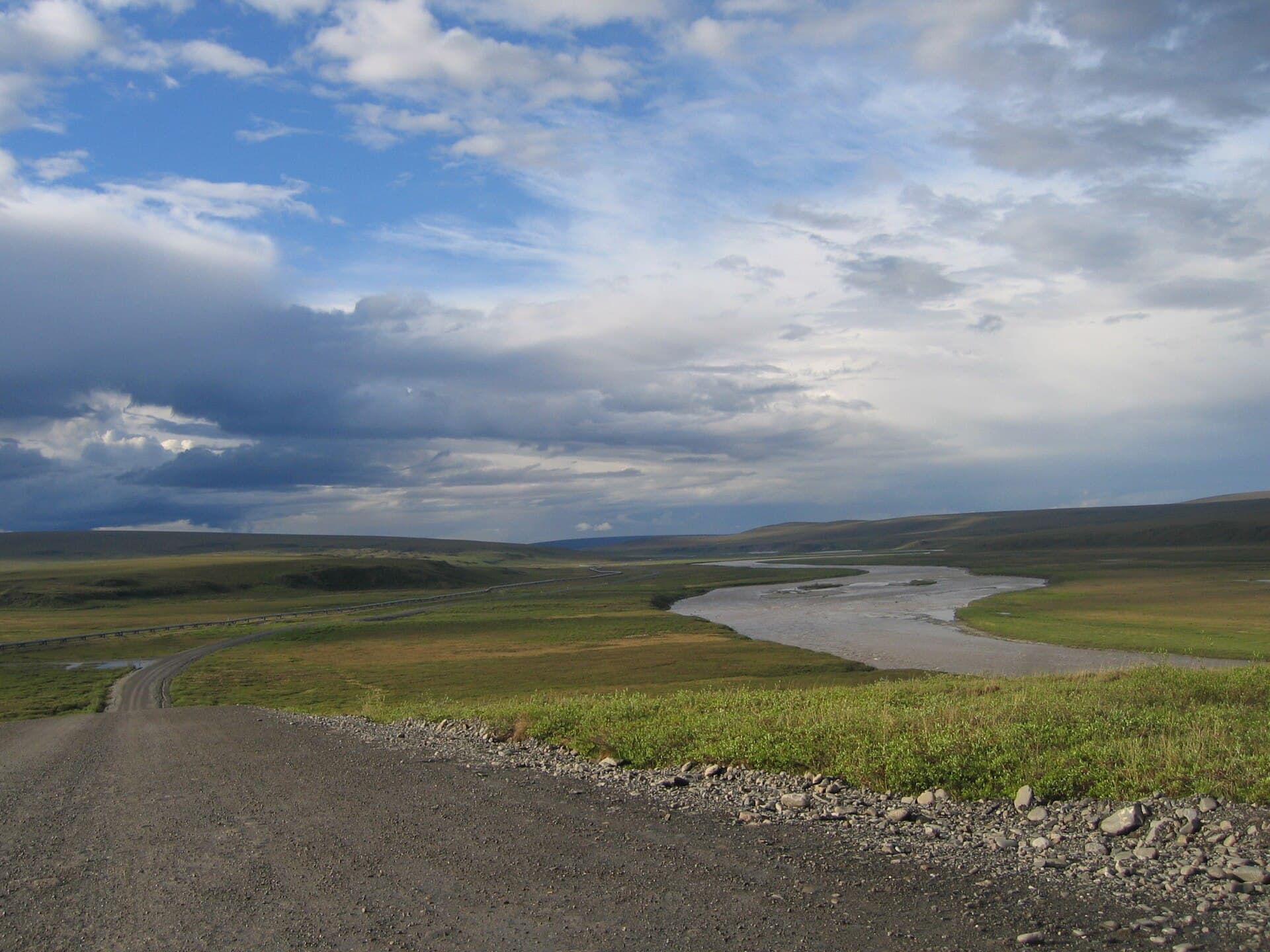
Sagavanirktok River: Rafting Alaska’s Remote Arctic Frontier
Experience the wild, roadless beauty of one of Alaska’s northernmost rivers on the North Slope.
17 August 2026
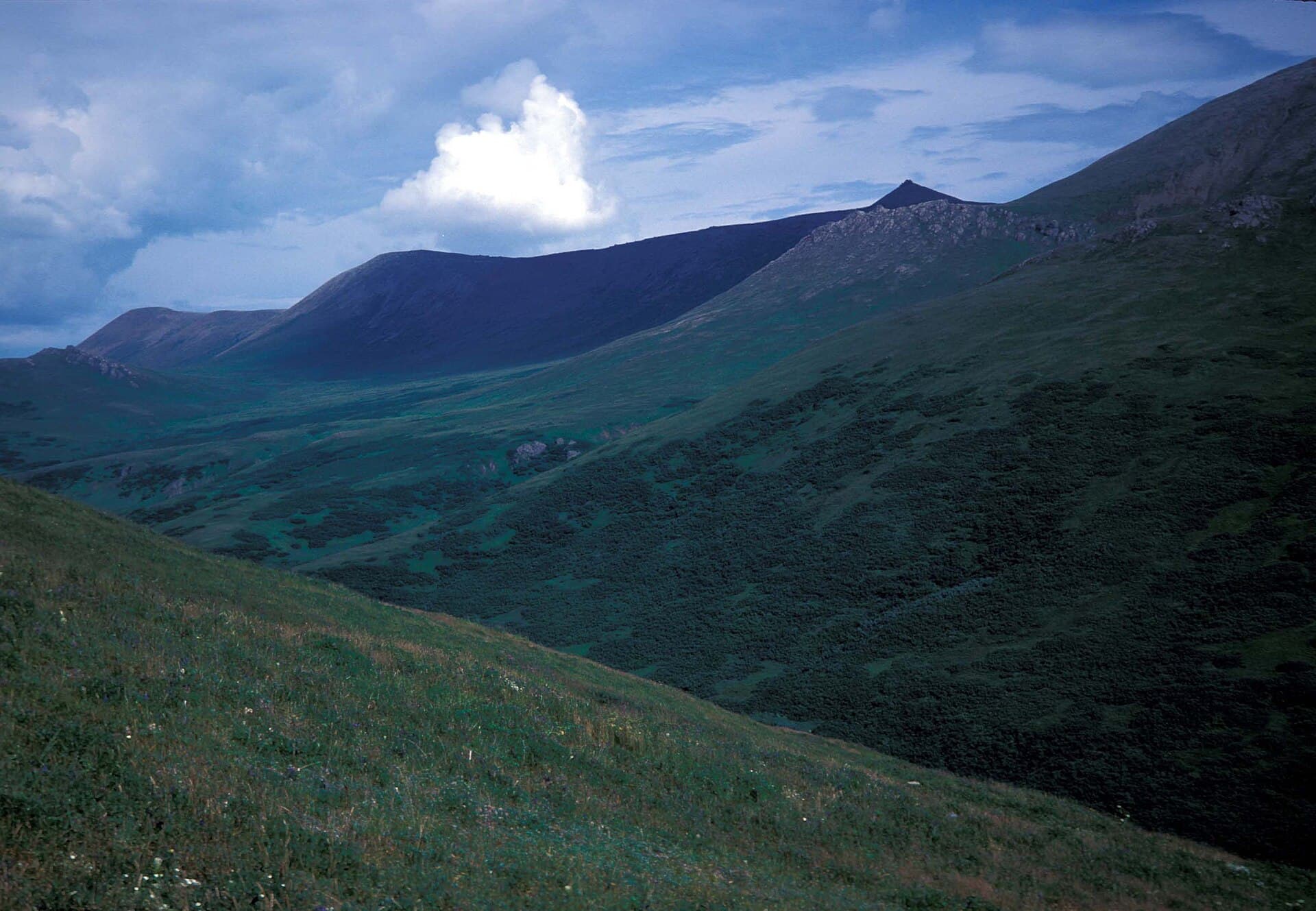
Discover the untouched beaches, seabird colonies, and marine life of this uninhabited island in Alaska's Bristol Bay region.
Hagemeister Island lies in Bristol Bay, offering visitors a rare chance to experience pristine Alaskan wilderness without crowds or infrastructure. Its rugged coastline, sandy beaches, and interior tundra support large colonies of seabirds along with haul-outs for seals and sea lions. The island’s isolation preserves a natural environment where wildlife behaves without human interference.
Access requires careful planning from mainland hubs such as Dillingham or Togiak. Most travelers charter small planes for the short flight across the bay or arrange boat transport during calm summer weather. No roads, docks, or public transport exist on the island itself, so visitors must be fully self-sufficient upon arrival.
Wildlife viewing tops the list. Walk the beaches to observe marine mammals resting on shore and scan cliffs for nesting seabirds. Inland hikes reveal low tundra vegetation and occasional signs of brown bears that swim across from the mainland. Kayakers and small-boat operators can explore sheltered coves, while photographers find dramatic vistas of the Aleutian Range on clear days. Fishing for salmon and halibut is possible from the shore or kayak when regulations allow.
June through early September offers the longest daylight, mildest temperatures, and open water for boat travel. Spring and fall bring migratory birds but also stronger storms and shorter days. Winter visits are impractical due to ice and extreme cold.
Keep reading
Experience the wild, roadless beauty of one of Alaska’s northernmost rivers on the North Slope.
The island falls under federal wildlife refuge rules; check current refuge regulations before travel and obtain any required landing authorization.
Brown bears occasionally swim to the island, so travelers should practice standard bear-aware camping and carry deterrents.
Seabird colonies, harbor seals, Steller sea lions, and occasional whales offshore are common sights during summer months.
Primitive camping is possible on beaches and tundra with Leave No Trace practices, though visitors must be prepared for sudden weather changes.
Most expeditions last two to five days to allow time for weather delays and thorough exploration of the coastline and interior.
Paddle, fish, and explore the untouched Buckland River deep in northwest Alaska’s Arctic landscape.
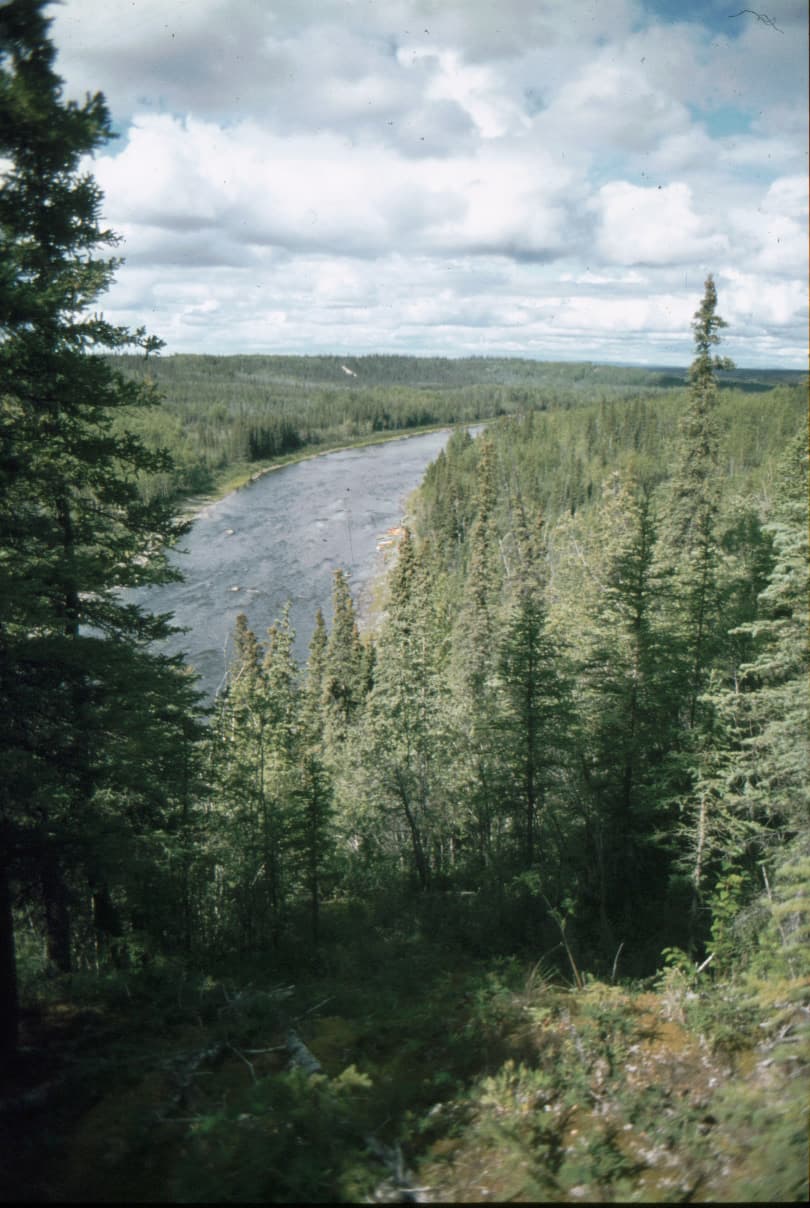
The Gulkana River delivers remote Alaska wilderness, world-class salmon runs, and scenic multi-day floats in the Copper…