Discovering Gutspark
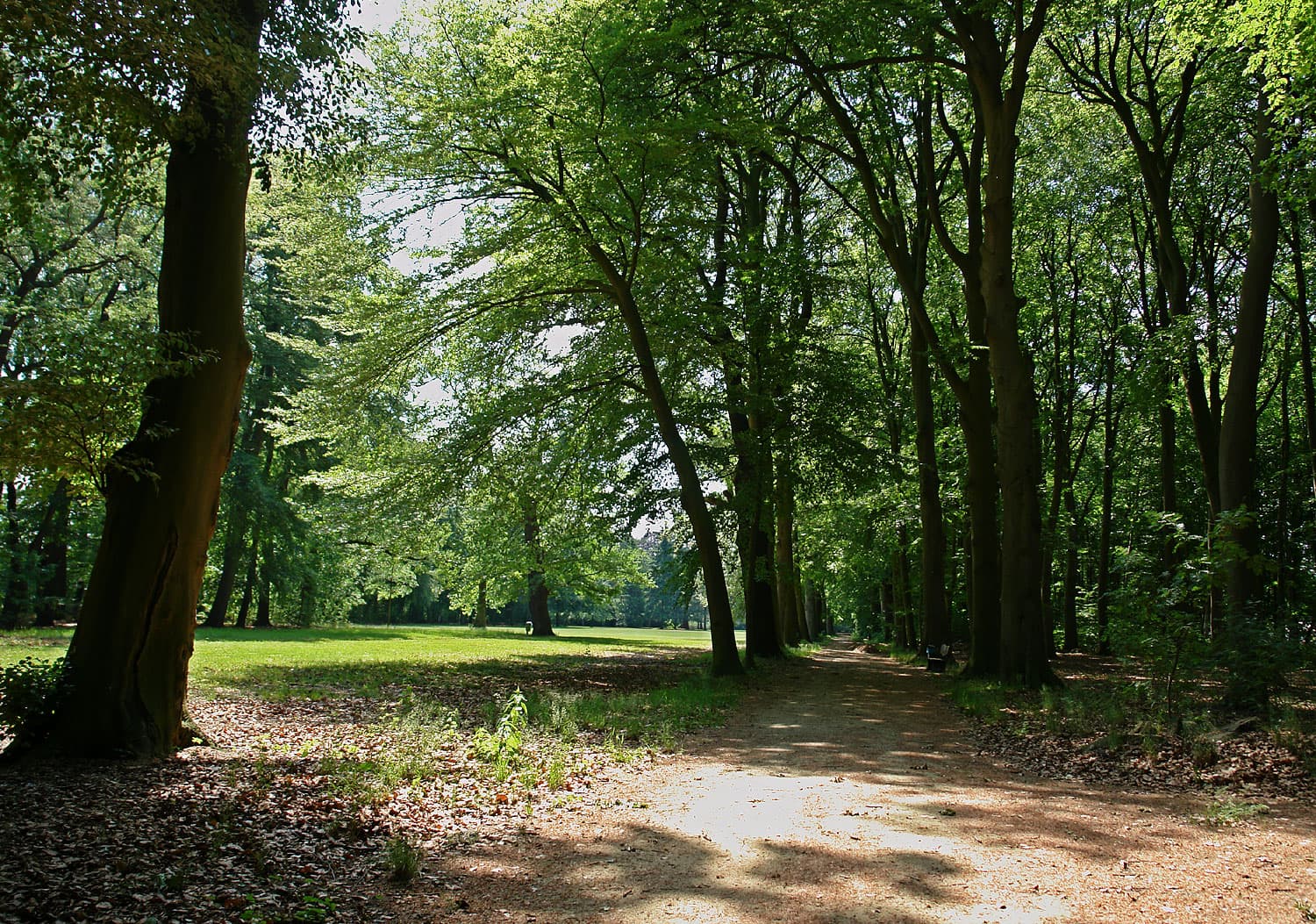
Gutspark in Osterholz stands as a peaceful remnant of Bremen’s rural past, once part of a manor estate and now a public green space valued for its mature trees, open lawns, and winding paths. Visitors appreciate the park’s understated elegance, where old oaks and beeches create natural canopies and seasonal color changes mark the year.
What to See and Do
Follow the main avenues for easy walking loops that pass small ponds and historic boundary features. The layout encourages quiet exploration, with benches positioned for rest and views across grassy expanses. Birdwatchers often note local species in the tree cover, while families enjoy the open areas suitable for picnics or gentle play. Photographers find interest in the contrast between formal alignments and wilder edges.
How to Get There
Osterholz lies north of central Bremen and connects via frequent tram and bus lines from the main station. Cyclists can use dedicated paths along the route, and drivers find street parking nearby. The park sits within a residential area, making it simple to combine with neighborhood walks.
Best Time to Visit
Spring brings fresh foliage and lighter crowds, while autumn highlights golden leaves under the tall trees. Summer offers shade for longer stays, and winter reveals the park’s structural lines without dense undergrowth. The setting remains accessible year-round, with paths generally clear except after heavy snow.
Nearby Attractions
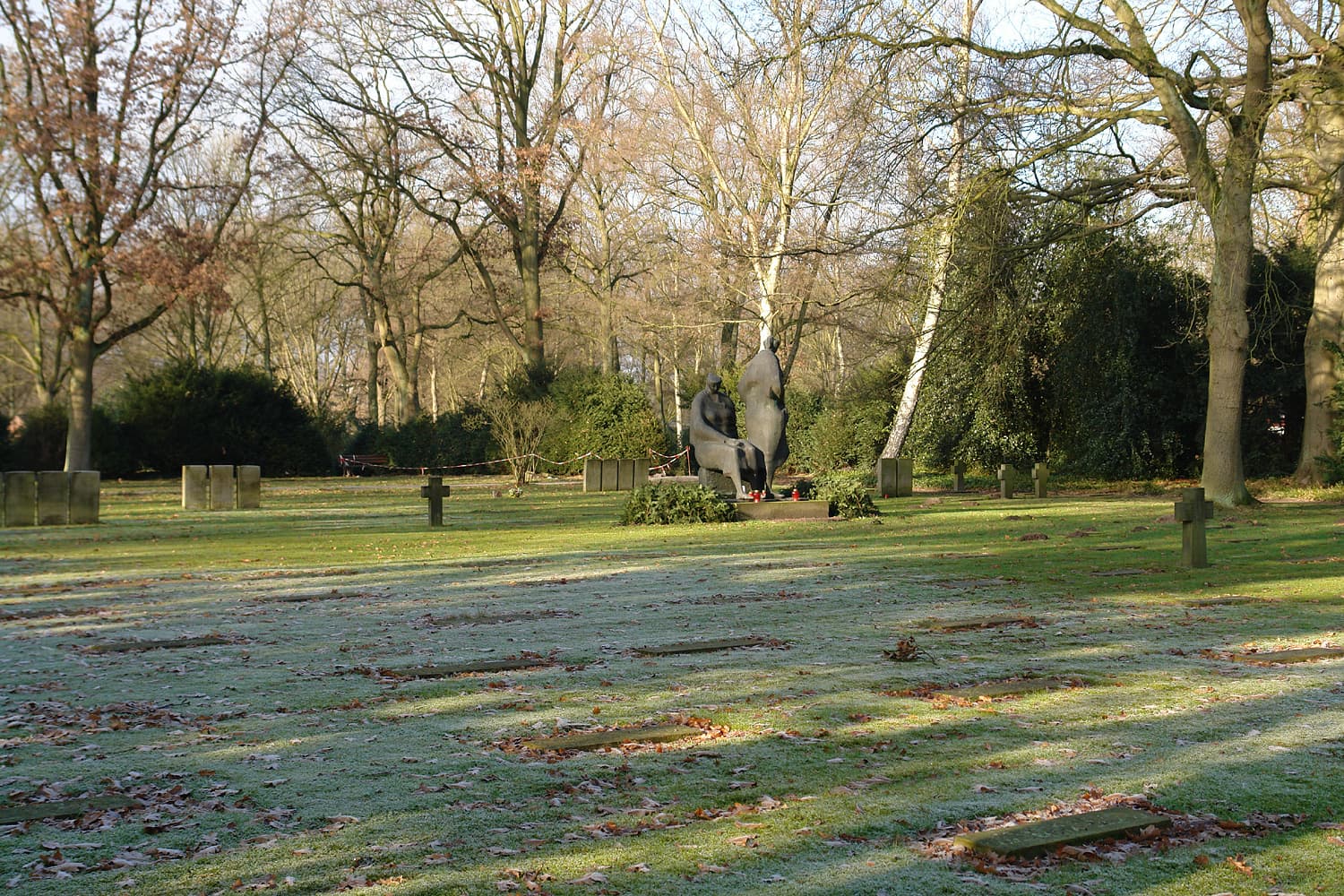
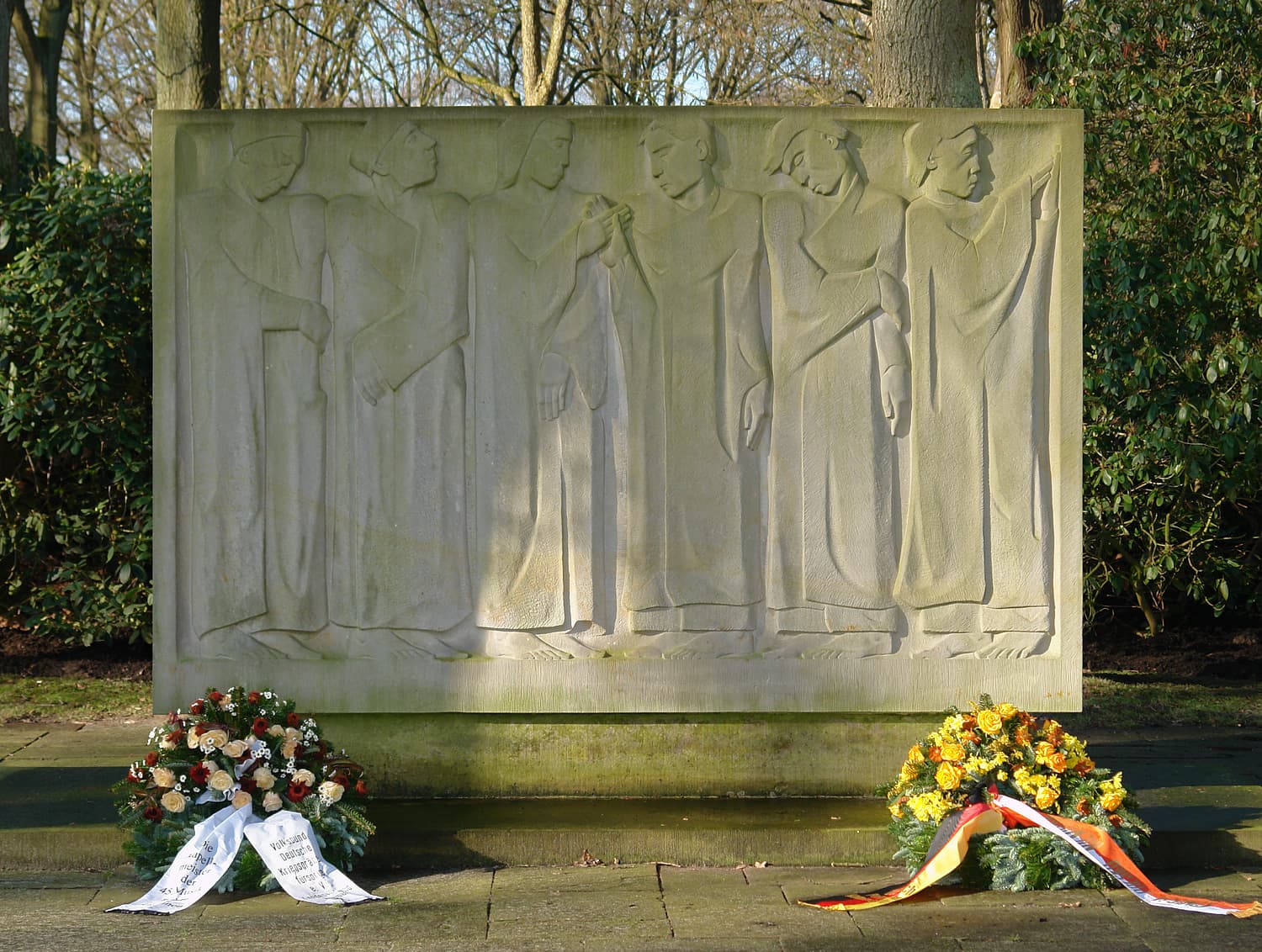
Combine a visit with the nearby Osterholz cemetery, known for its historic graves, or continue to the Weser river promenades south of the district. Local bakeries and small cafés provide refreshment options within a short distance, and the area links to larger Bremen parks for extended outings.
Practical Considerations
- Paths vary from paved to gravel, so sturdy shoes suit longer visits.
- The park offers limited facilities, so plan accordingly for water and restrooms.
- Respect quiet zones and keep dogs on leads where signs indicate.