History and Significance
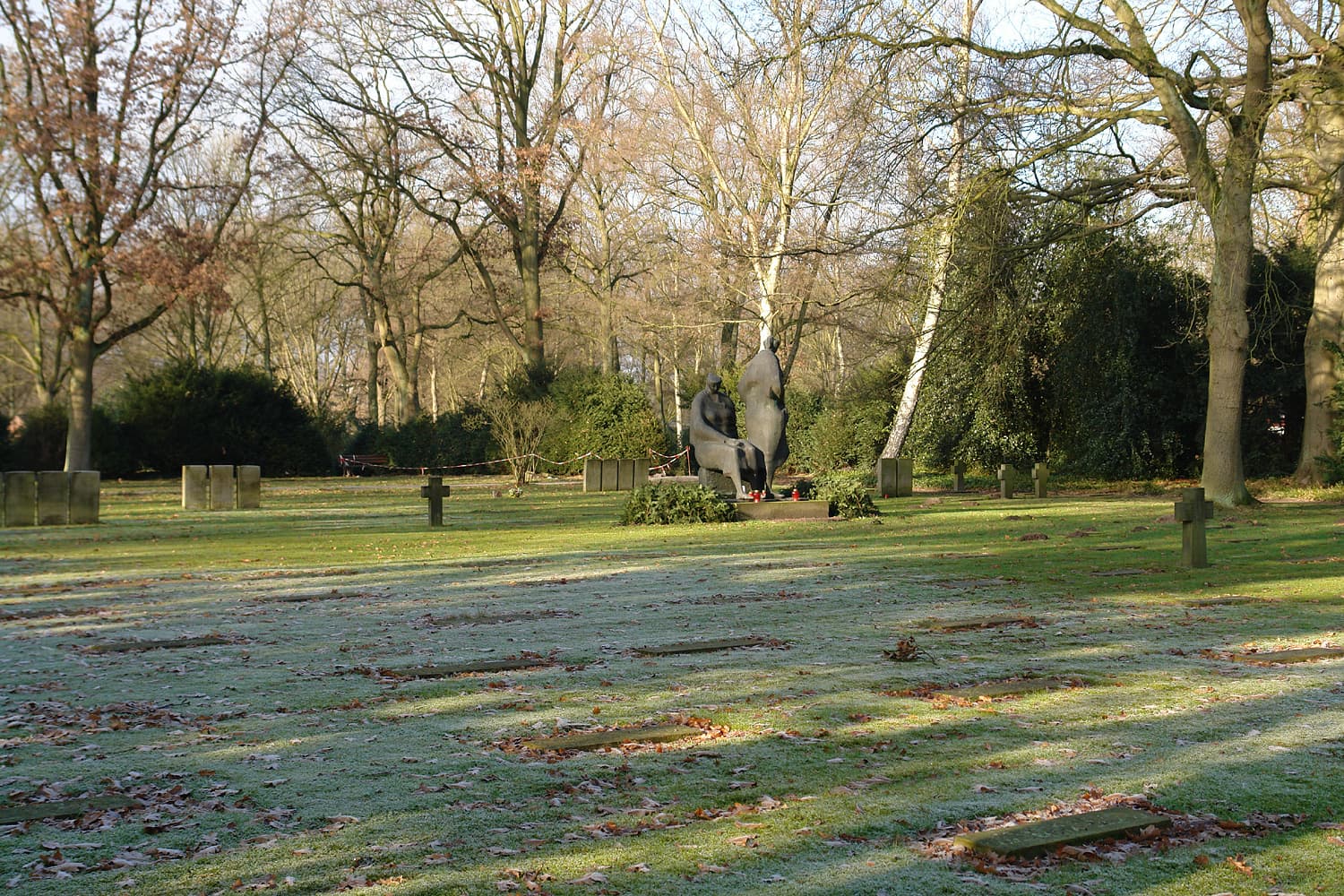
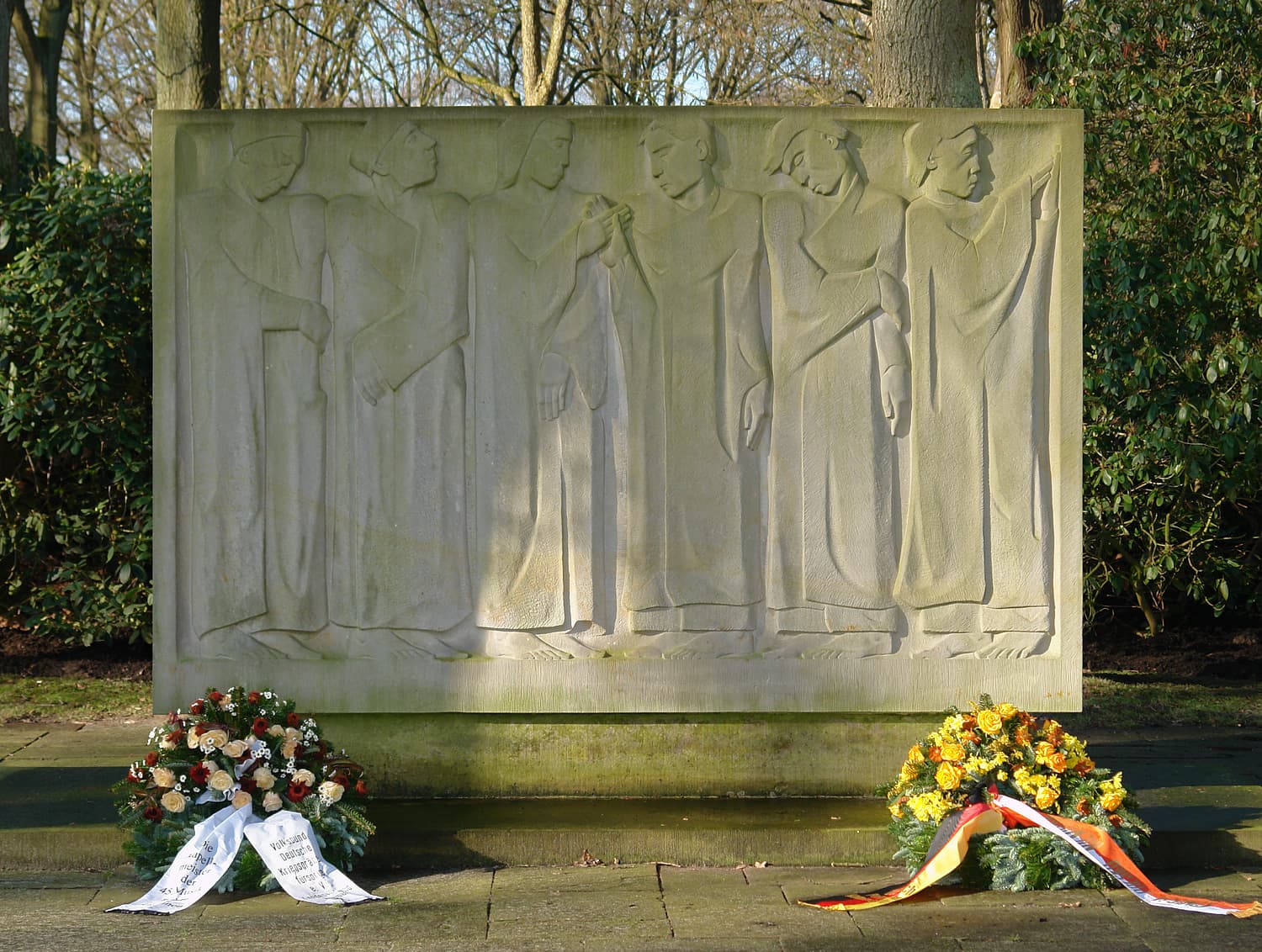
The Gräberfeld für 169 Niederländer occupies a distinct section known as Feld N inside the large Osterholz cemetery in Bremen’s northern district. Established after the Second World War, the field contains the graves of Dutch nationals who died in the Bremen area. Simple headstones and a central memorial stone mark the site, reflecting the restrained design typical of post-war Dutch war graves abroad. The orderly rows and evergreen plantings create a calm atmosphere that invites reflection rather than spectacle.
What to See and Do
Visitors usually begin at the main cemetery entrance on Osterholzer Heerstraße and follow the clear internal paths to Feld N. The field itself is compact; allow 20–30 minutes to walk the rows, read the inscriptions, and pause at the central monument. Many stones carry both Dutch and German names or dates, illustrating personal stories of displacement. Nearby sections of the same cemetery contain memorials for other nationalities, allowing a broader walk that contrasts different commemorative styles without leaving the grounds.
How to Get There
Bremen’s tram line 4 stops at “Osterholz” and “Auf dem Petersberg,” both within a ten-minute walk of the cemetery gates. Cyclists can use the well-marked paths along the Wümme river and enter via the northern gate. Drivers will find limited free parking along the perimeter roads; the cemetery is not served by direct long-distance coaches, so public transport or local taxis from Bremen Hauptbahnhof remain the most reliable options.
Best Time to Visit
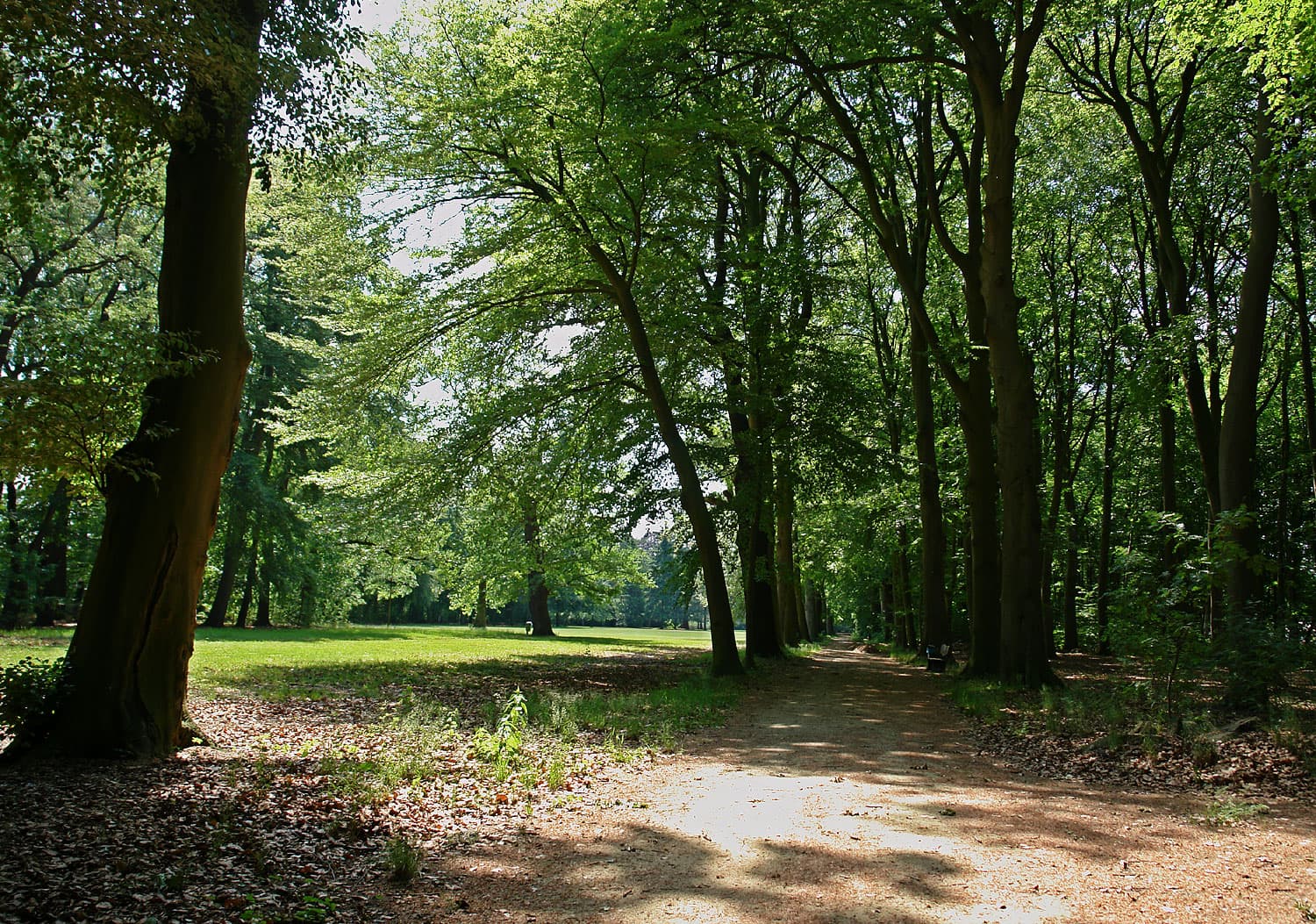
Spring and early autumn offer mild weather and blooming or turning foliage that softens the solemn mood. Summer visits are pleasant but can coincide with local funeral services, so quiet behavior is essential. Winter visits are feasible on clear days, when low light accentuates the stonework, though paths may be icy. The site remains accessible year-round during standard cemetery opening hours.
Nearby Attractions
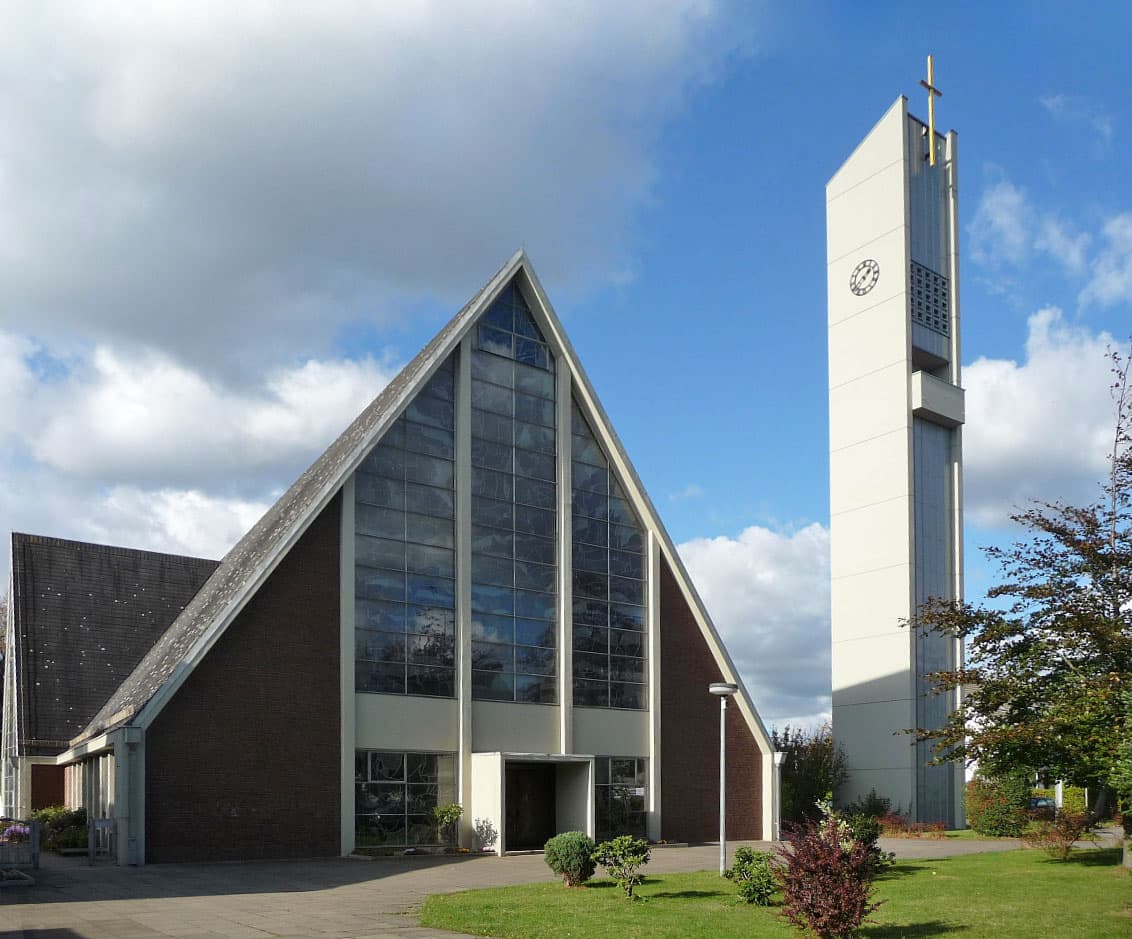
After visiting Feld N, continue through the cemetery to the larger war-graves area or the historic chapel. Outside the gates, the adjacent Bürgerpark and the rhododendron gardens of Rhododendron-Park provide contrasting green spaces. A short bus ride reaches the Focke Museum, which holds regional historical exhibits that provide further context on Bremen’s wartime past.