History and Significance
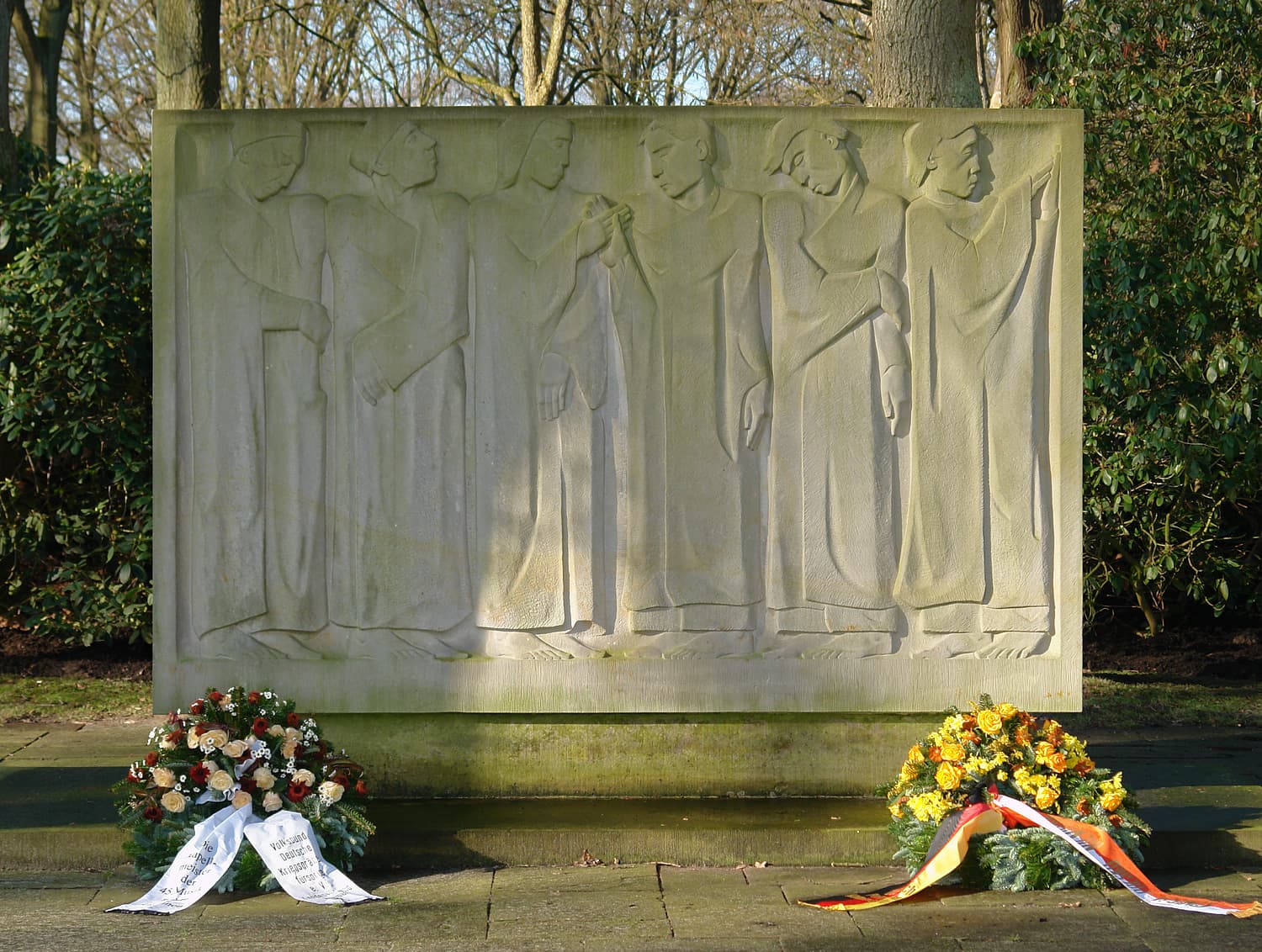
The Ehrenanlage für KZ-Opfer und deutsche Soldaten stands as a dual memorial in Bremen’s Osterholz district. Created after the Second World War, it commemorates both the victims of Nazi concentration camps and German soldiers who died in the conflicts. The site avoids glorification, instead offering a place for quiet reflection on the human cost of war and persecution.
What to See and Do
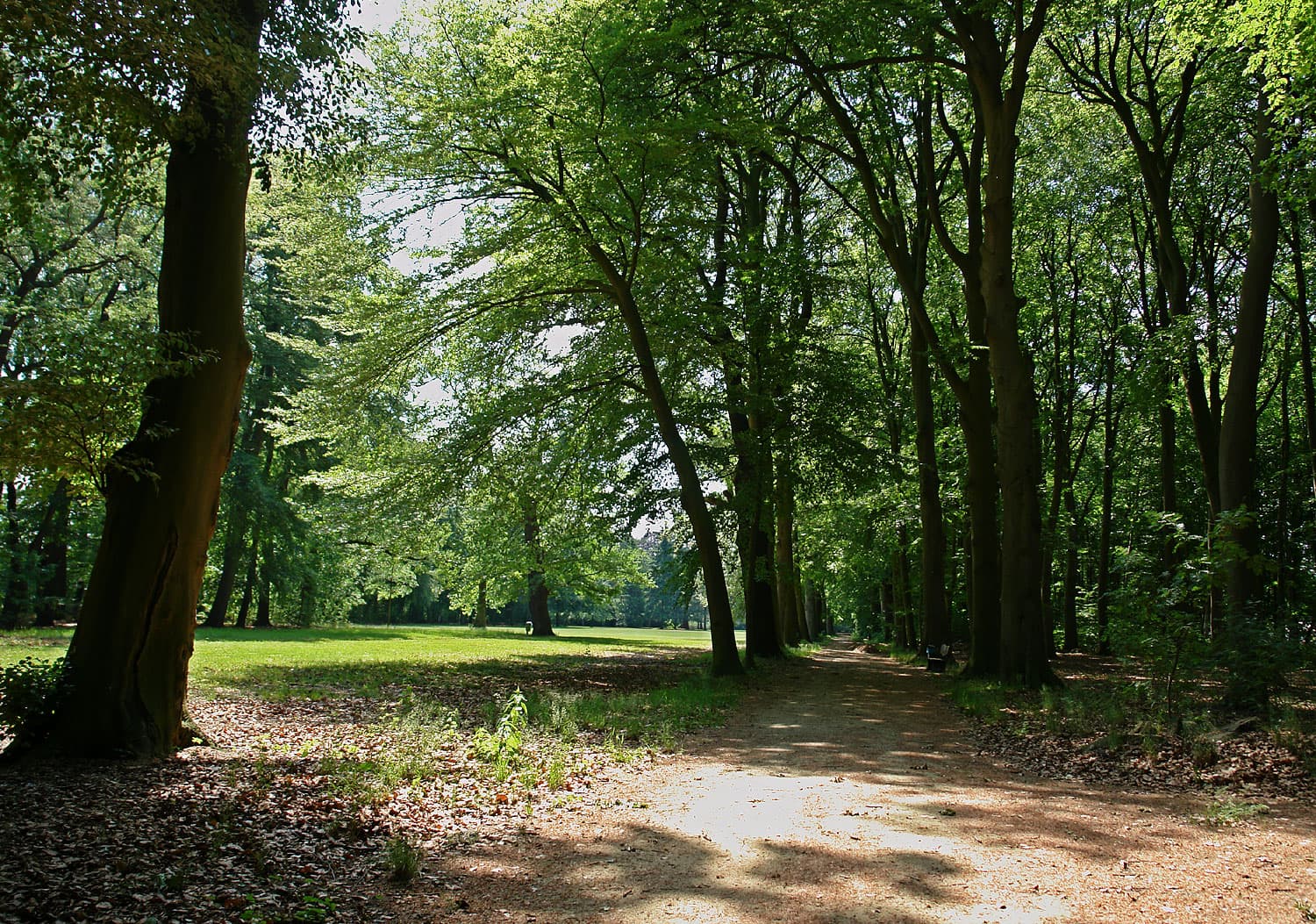
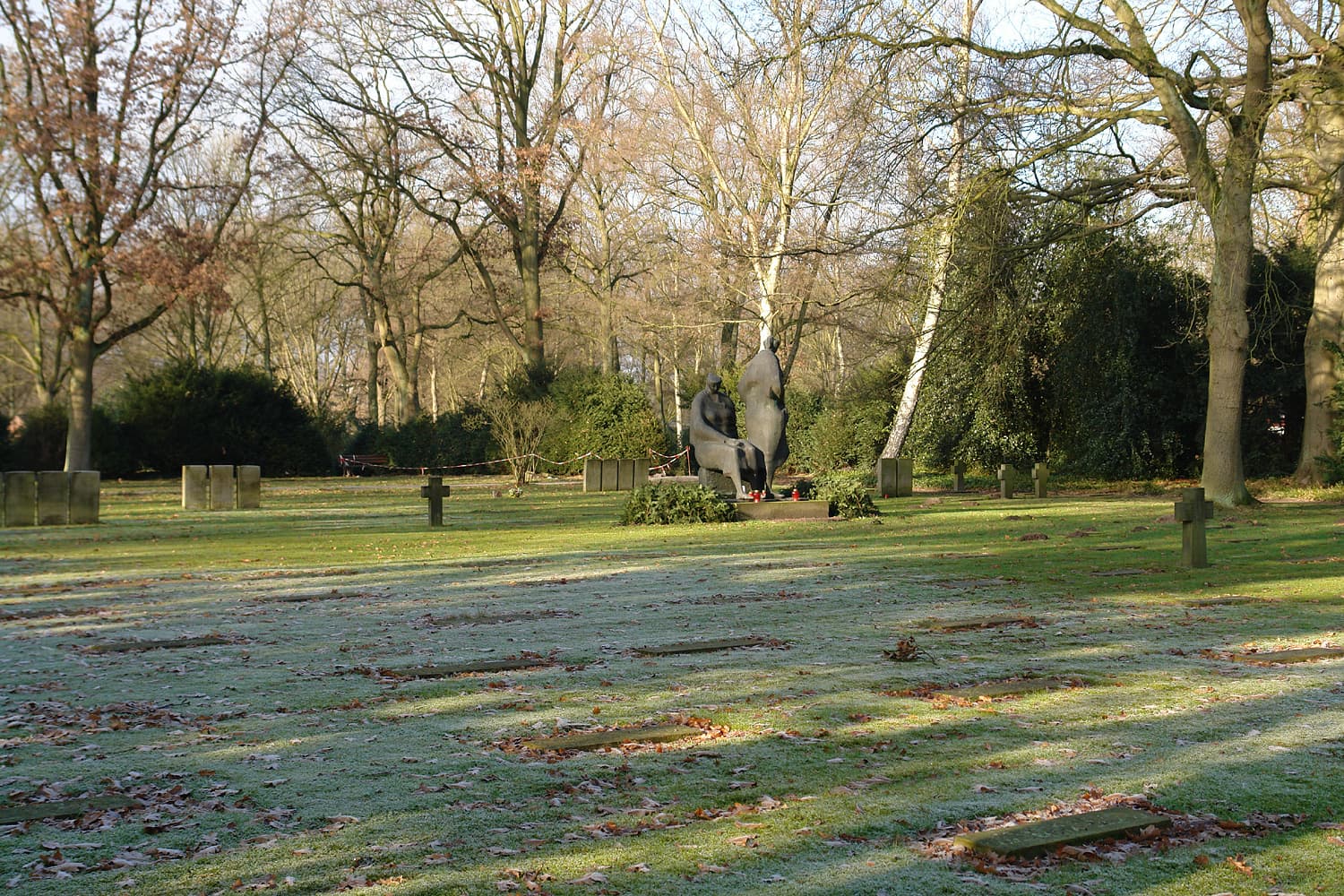
Visitors walk along simple paths lined with plaques and modest stone markers. One section honors the deported and murdered from the camps, while another section remembers local soldiers. The surrounding trees and open clearings create a calm atmosphere suitable for contemplation. No elaborate monuments dominate; the power lies in the names, dates, and understated inscriptions.
Respectful Visiting Practices
Approach the site with the same seriousness shown at any war cemetery. Keep voices low, avoid picnics or loud activities, and allow others space for private remembrance. Many visitors pause at individual plaques to read the inscriptions.
Getting There
The memorial lies within the larger Osterholz cemetery grounds. From Bremen Hauptbahnhof, take tram line 1 or 8 toward Osterholz and alight at the cemetery stop, then follow signs or the main path into the woodland section. Cyclists can use the well-marked paths along the Wümme river. Drivers will find limited parking near the cemetery entrance on Osterholzer Heerstraße.
Best Time to Visit
Any season works, though spring and autumn offer milder temperatures and fewer insects. Early mornings or late afternoons provide the quietest experience. The site remains accessible year-round, though paths may be damp after rain.
Nearby Attractions
Combine the visit with the adjacent Osterholz cemetery’s historic graves or the nearby Rhododendronpark Bremen for a contrasting green space. The city center’s UNESCO-listed town hall and the Übersee-Museum are a short tram ride away for those extending their day.