Skip to content
Plan & Tour
DestinationsItinerariesTravel BlogAboutContact
0Sign inPlan a trip
Plan & TourPlan & Tour

Travel guides, destination inspiration and curated itineraries for Canada, the USA and beyond, plus a free tool to plan your own day-by-day trip.

Get travel inspiration

Explore

  • All Destinations
  • Curated Itineraries
  • Travel Blog
  • Plan a Trip

Topics

  • Hiking & Nature
  • Food & Drink
  • City Breaks
  • Budget Travel

Company

  • About Us
  • Contact
  • Privacy Policy
  • Terms of Service

© 2026 Plan & Tour. Built for travellers.

Discover the world, one trip at a time.

Grande River: Exploring Bolivia’s Wild Waterway in Santa Cruz Department
  1. Home
  2. Destinations
  3. Santa Cruz Department
  4. Grande River: Exploring Bolivia’s Wild Waterway in Santa Cruz Department
River

Grande River: Exploring Bolivia’s Wild Waterway in Santa Cruz Department

A guide to the Río Grande’s scenic stretches, wildlife, and access points in Bolivia’s eastern lowlands.

Santa Cruz DepartmentUpdated 11 October 2026

Why the Grande River Draws Visitors

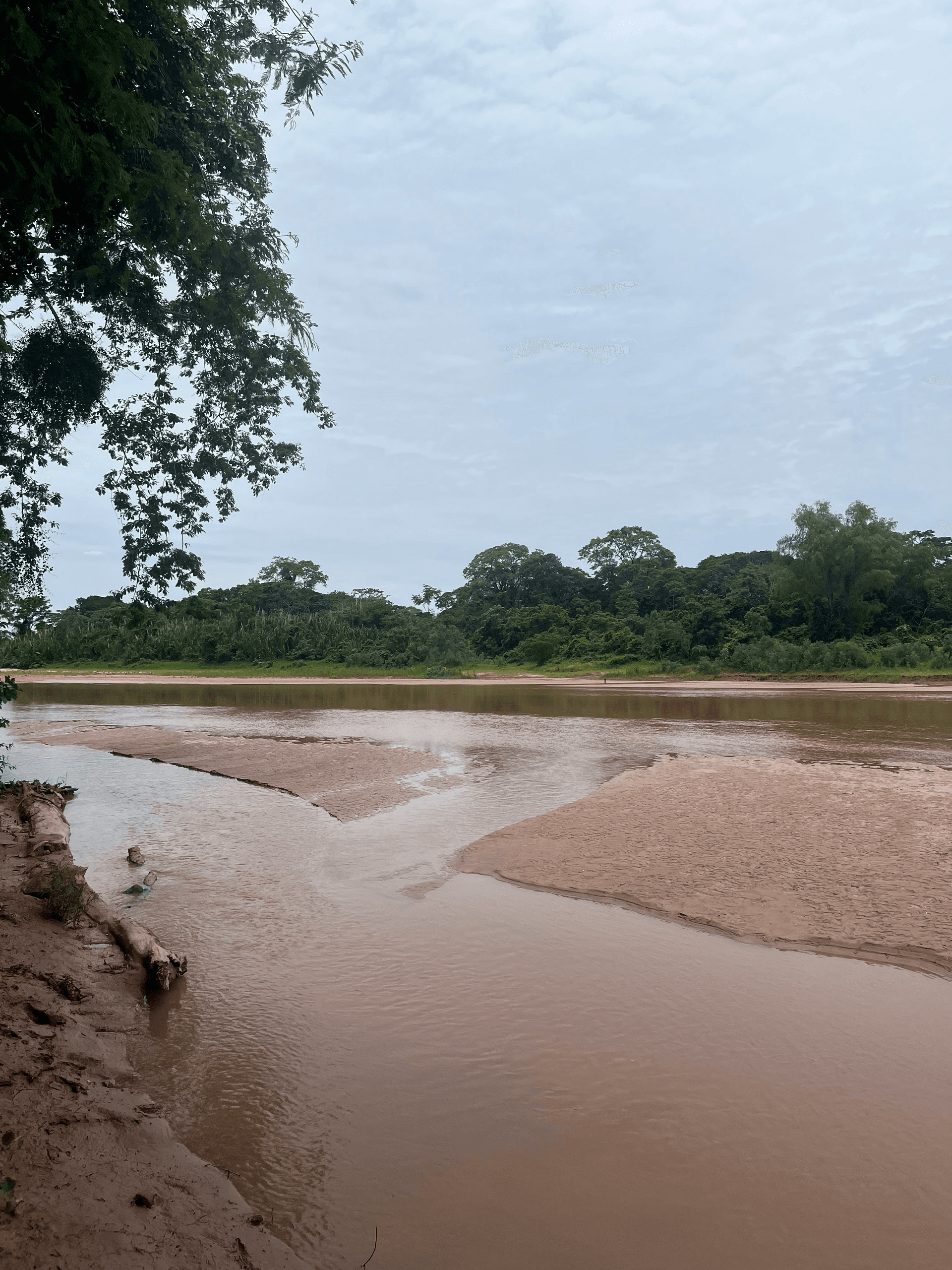
The Grande River, also known as the Río Guapay, cuts across the Santa Cruz Department, creating a corridor of forests, wetlands, and agricultural plains that transition from the Andean foothills to the vast eastern lowlands. Its broad channels and seasonal fluctuations support rich biodiversity and offer travelers a quieter alternative to more commercialized Amazonian waterways.

What to See and Do

Boating excursions reveal sandbars where caimans and river turtles bask, while early-morning floats often yield sightings of capybaras and colorful macaws. Birdwatchers frequent quieter bends for species such as the blue-throated macaw and jabiru stork. Anglers target pacú and surubí catfish in deeper pools, though local regulations govern catch sizes. Short hikes along the banks lead to oxbow lakes and gallery forests where howler monkeys call at dusk.

Water-Based Activities

Calmer sections suit kayaking or stand-up paddleboarding during lower water levels, while experienced paddlers seek the river’s faster stretches near its upper reaches. Local operators provide equipment and safety briefings for multi-day descents that pass through changing landscapes.

How to Get There

Most travelers start from Santa Cruz de la Sierra. Regular buses and shared taxis reach riverside towns such as Montero and Warnes, from which dirt roads or boat launches provide direct access. Renting a 4×4 vehicle allows exploration of less-visited tributaries and nearby forest tracks. The river’s main course lies roughly 80 kilometers east of the city, with travel times varying by road conditions.

Best Time to Visit

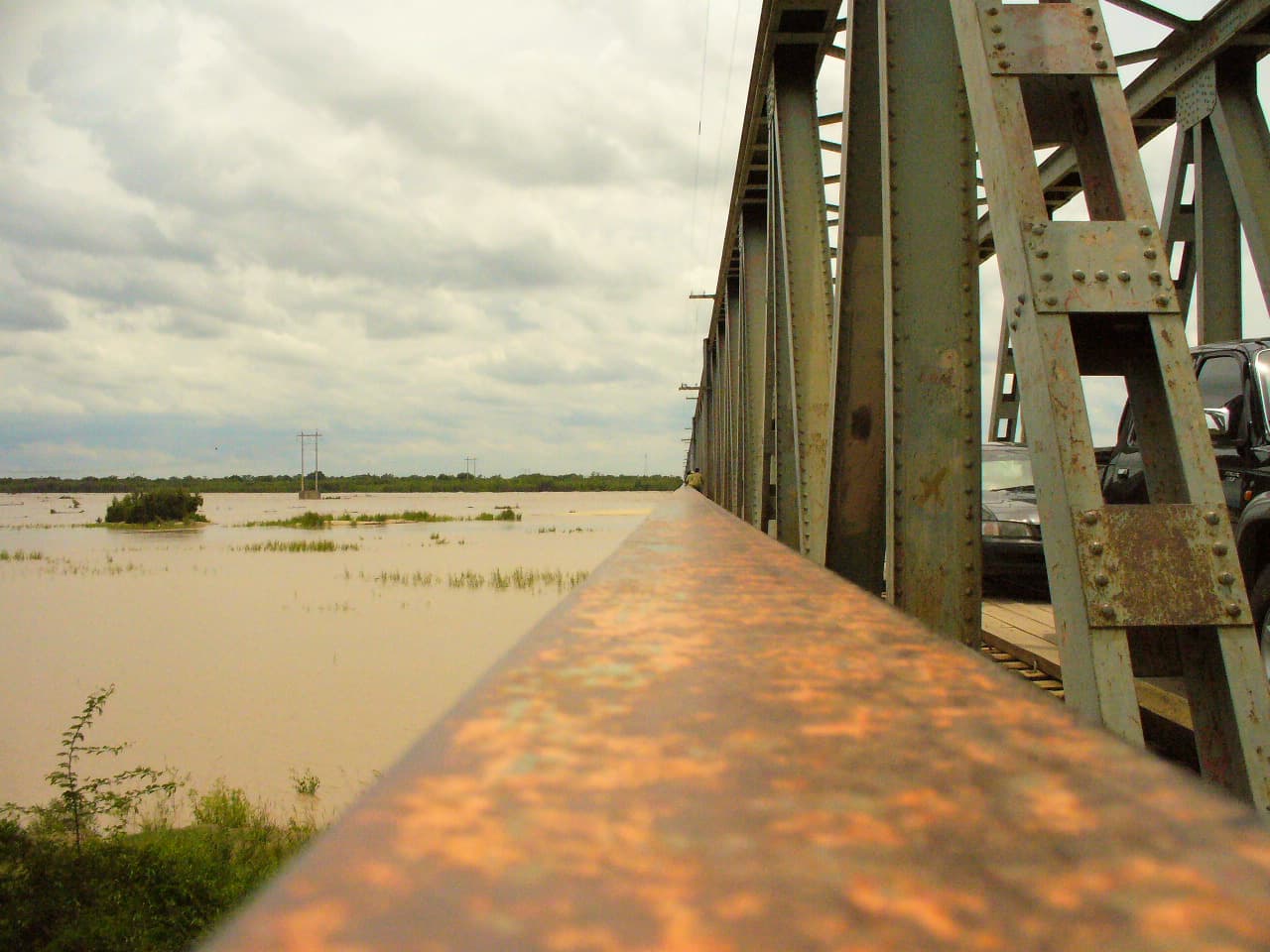
The dry season from May through October offers the most reliable access, with lower water levels exposing sandbars and reducing flood risk. The wet season brings dramatic rises that can close roads and limit navigation, though it enhances wildlife concentration around remaining water sources.

Nearby Attractions

Amboró National Park lies to the west, offering trails through cloud forest and opportunities to combine river time with mountain hikes. The colonial town of Samaipata provides a base for visiting pre-Inca ruins and nearby waterfalls that feed into the Grande’s watershed. Agricultural estates around the river produce sugarcane and rice, and some offer short tours of traditional processing methods.

Visitor tips

  • Hire a local boatman or guide familiar with shifting sandbars and currents, especially outside the dry season.
  • Pack strong insect repellent and lightweight long clothing; mosquitoes are active year-round near the water.
  • Carry sufficient water and sun protection, as shaded stretches are limited and afternoon temperatures rise quickly.

Frequently asked questions

Can you swim in the Grande River?+

Swimming is possible in calmer pools during the dry season, but strong currents and occasional debris make it advisable to choose spots recommended by locals and avoid deeper channels.

What wildlife is most commonly seen along the river?+

Visitors frequently spot caimans, capybaras, river turtles, and a variety of waterbirds; larger mammals such as tapirs appear less often but are present in less disturbed sections.

Are there rapids suitable for rafting?+

Upper reaches near the Andean transition zone contain moderate rapids, while the middle and lower river remain largely flatwater suitable for relaxed paddling.

How far is the river from Santa Cruz city?+

The nearest accessible sections lie approximately 80 kilometers east, reachable in two to three hours by road depending on traffic and vehicle type.

Is fishing permitted on the Grande River?+

Recreational fishing is allowed with restrictions on species and size; visitors should check current local rules and obtain any required permits before casting.

Share
Google Maps Apple Maps Directions

Image: Natalia Rivera from Bogota, Colombia · CC BY 2.0 · via Wikimedia Commons

Keep reading

Nearby & related

All stories
Surutú River: Bolivia’s Clear-Water Gem in Santa Cruz Department
Santa Cruz Department

Surutú River: Bolivia’s Clear-Water Gem in Santa Cruz Department

The Surutú River winds through biodiverse lowland forest near Amboró National Park, offering quiet swimming holes,…

13 October 2026
Laguna San Jorge: Bolivia’s Remote Lake Sanctuary in Santa Cruz
Santa Cruz Department

Laguna San Jorge: Bolivia’s Remote Lake Sanctuary in Santa Cruz

A quiet freshwater lake surrounded by lowland forest, Laguna San Jorge rewards travelers who seek unspoiled nature and…

12 October 2026
Paraguá River: Remote Wilderness and Wildlife in Bolivia’s Santa Cruz Department
Santa Cruz Department

Paraguá River: Remote Wilderness and Wildlife in Bolivia’s Santa Cruz Department

Paddle, fish, and spot wildlife along the biodiverse Paraguá River, a quiet tributary deep in Bolivia’s eastern…

12 October 2026