Skip to content
Plan & Tour
DestinationsItinerariesTravel BlogAboutContact
0Sign inPlan a trip
Plan & TourPlan & Tour

Travel guides, destination inspiration and curated itineraries for Canada, the USA and beyond, plus a free tool to plan your own day-by-day trip.

Get travel inspiration

Explore

  • All Destinations
  • Curated Itineraries
  • Travel Blog
  • Plan a Trip

Topics

  • Hiking & Nature
  • Food & Drink
  • City Breaks
  • Budget Travel

Company

  • About Us
  • Contact
  • Privacy Policy
  • Terms of Service

© 2026 Plan & Tour. Built for travellers.

Discover the world, one trip at a time.

Firth River: Rafting Alaska’s Remote Arctic Wilderness
  1. Home
  2. Destinations
  3. North Slope Borough
  4. Firth River: Rafting Alaska’s Remote Arctic Wilderness
River

Firth River: Rafting Alaska’s Remote Arctic Wilderness

Paddle one of North America's northernmost rivers through untouched tundra, canyons, and abundant wildlife in Alaska's North Slope.

North Slope BoroughUpdated 17 August 2026

Why the Firth River Draws Adventurers

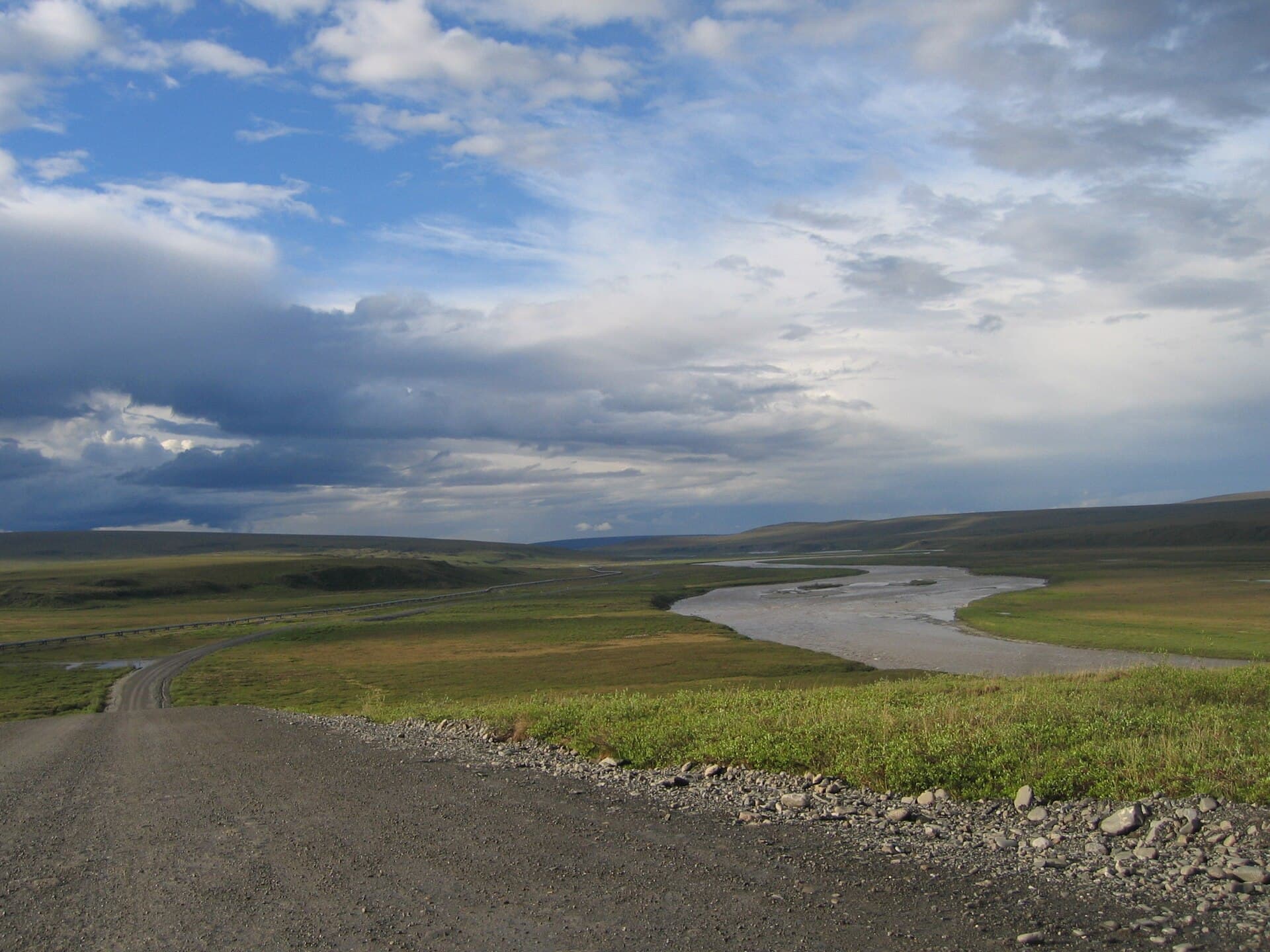
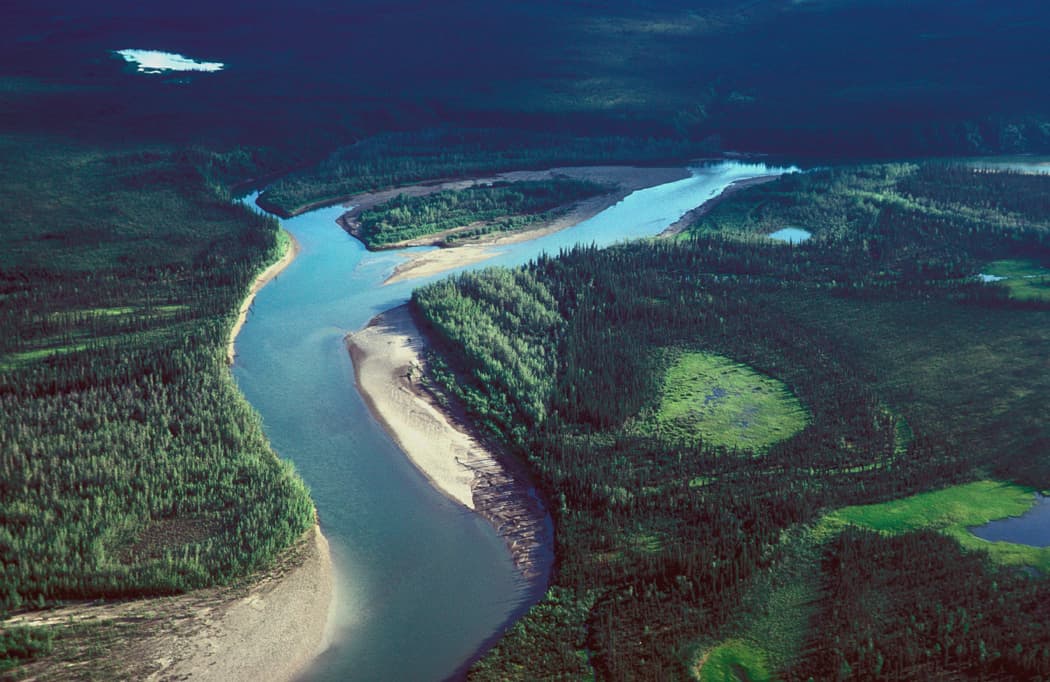
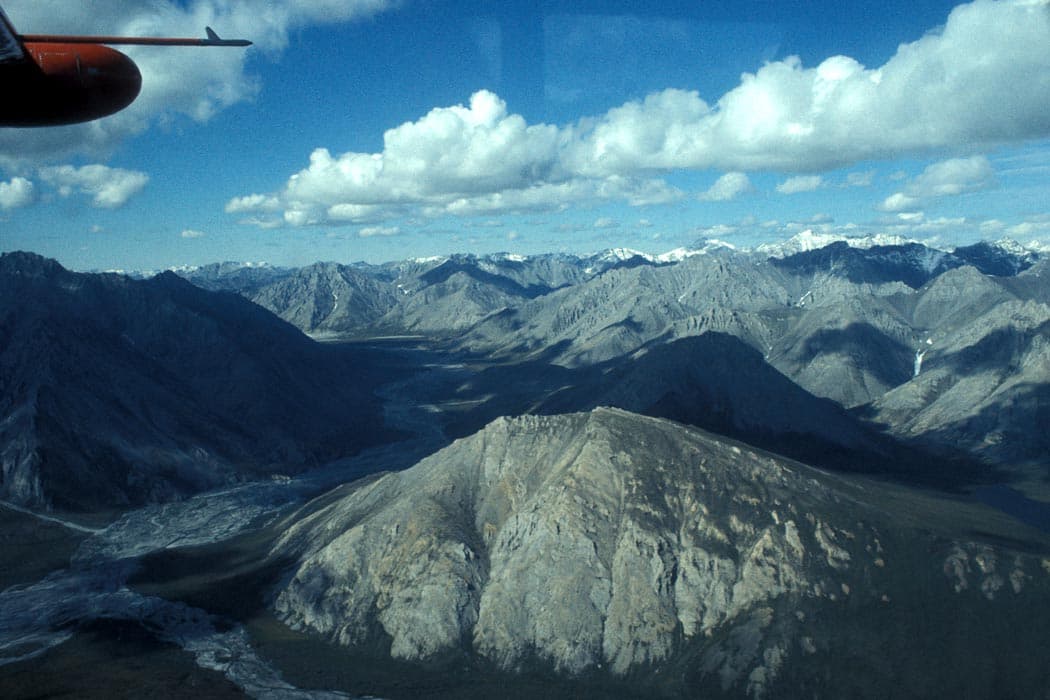
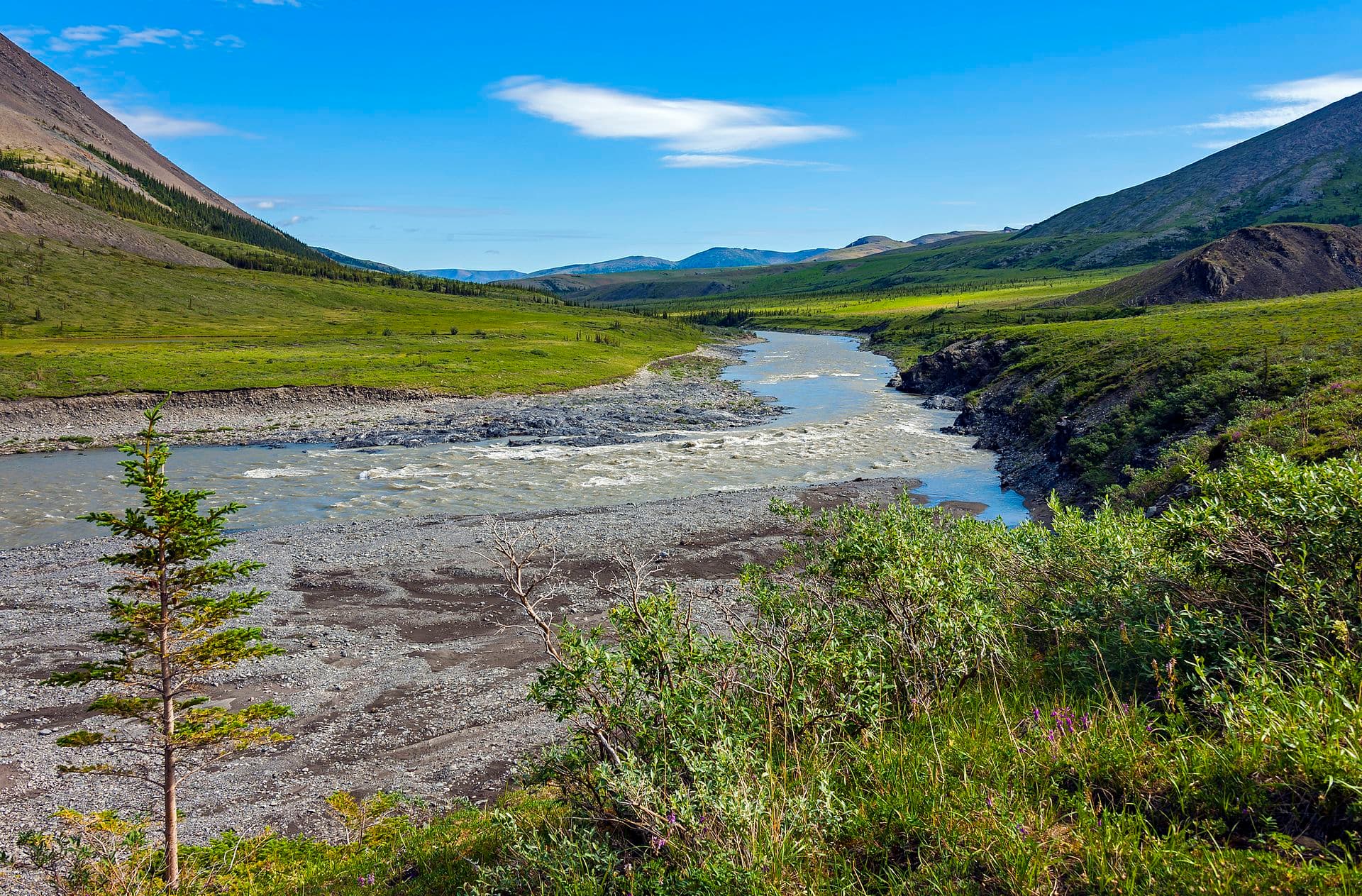
The Firth River carves through the northernmost reaches of Alaska’s North Slope Borough, offering a rare combination of Arctic scenery and true wilderness. Its clear waters flow from the British Mountains across rolling tundra and dramatic limestone canyons before reaching the Beaufort Sea. Visitors experience solitude, dramatic light, and wildlife encounters unavailable on more accessible rivers.

What to See and Do

Multi-day rafting trips dominate activities here. Float sections reveal steep canyon walls, fossil beds, and gravel bars ideal for spotting caribou, grizzly bears, and Dall sheep. Anglers cast for Arctic grayling, Dolly Varden, and Arctic char in the clear tributaries. Hiking side valleys leads to wildflower meadows in summer and panoramic viewpoints. Birders watch for gyrfalcons, golden eagles, and migrating waterfowl along the coastal plain.

Wildlife Viewing

Keep binoculars handy at dawn and dusk. The river corridor serves as a migration route for the Porcupine caribou herd. Musk oxen sometimes appear on the tundra slopes. Always maintain safe distances and follow Leave No Trace principles.

Getting There

Access requires air travel to Arctic Village or Kaktovik, followed by bush-plane charters to a gravel-strip put-in near the upper river or its tributaries. Most visitors join guided rafting expeditions that supply equipment, permits, and logistics. Independent travelers need advanced wilderness navigation skills and satellite communication.

Best Time to Visit

July through early September offers ice-free water and 24-hour daylight. Peak flows occur in mid-July after snowmelt; later weeks provide calmer conditions for fishing. Expect cool temperatures, sudden wind, and persistent mosquitoes in July. September brings golden tundra colors but shorter days and possible early snow.

Nearby Places Worth Exploring

The Firth lies within or adjacent to the Arctic National Wildlife Refuge, allowing extensions into the refuge’s coastal plain or the Brooks Range. Across the international border, Canada’s Ivvavik National Park protects the river’s headwaters and offers additional hiking and paddling options for those with proper permits and border clearance.

Visitor tips

  • Book guided rafting trips well in advance; the area has no road access or commercial services.
  • Pack layers for rapid weather changes, a reliable bear-resistant food container, and insect repellent.
  • Carry a satellite communicator or personal locator beacon; cell service does not exist.

Frequently asked questions

Do I need a permit to raft the Firth River?+

Yes. Permits are required from the U.S. Fish and Wildlife Service for the Arctic National Wildlife Refuge portion; guided outfitters usually handle this.

What skill level is required for Firth River rafting?+

Most trips suit intermediate paddlers comfortable with Class II-III water and remote conditions; beginners should join guided groups.

Are there any facilities or campgrounds along the river?+

There are none. Campers must choose durable surfaces, pack out all waste, and follow strict bear-safety protocols.

How long does a typical trip take?+

Most rafting itineraries last 7 to 12 days, depending on the put-in point and whether hikers add side trips.

Can I combine a Firth River trip with visits to other Arctic sites?+

Yes. Many travelers extend their journey into the broader Arctic National Wildlife Refuge or arrange flights to coastal communities such as Kaktovik for polar-bear viewing.

Share
Google Maps Apple Maps Directions

Image: Daniel Case · CC BY-SA 3.0 · via Wikimedia Commons

Keep reading

Nearby & related

All stories
Colville River: Remote Arctic Wilderness in Alaska’s North Slope
North Slope Borough

Colville River: Remote Arctic Wilderness in Alaska’s North Slope

The largest river on Alaska’s North Slope offers unmatched tundra scenery, fishing, and wildlife in true Arctic…

13 August 2026