Why Fairway Rock Stands Out
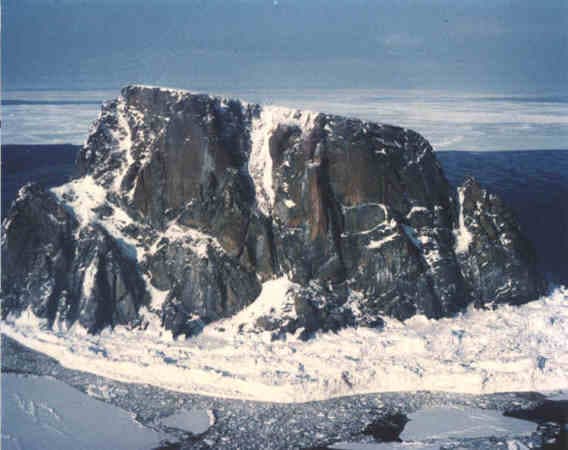
Fairway Rock rises sharply from the Bering Strait just south of the Diomede Islands, forming a steep, guano-streaked granite islet roughly 1.5 miles in circumference. Its position at the edge of the International Date Line makes it one of the westernmost points of the United States, offering unobstructed views toward Russian waters on clear days. The island’s sheer cliffs support one of the largest auklet colonies in the region, with crested and least auklets nesting by the tens of thousands each summer.
Reaching This Remote Alaskan Outpost
Access begins in Nome, Alaska, the nearest hub with scheduled flights. From Nome, travelers charter small boats or helicopters to the village of Wales on the Seward Peninsula, then continue across open water to the island. The crossing is weather-dependent and typically requires a local guide familiar with shifting ice floes and strong currents. No docks or facilities exist on Fairway Rock itself; visitors must remain on boats or make brief landings only where terrain allows safe footing.
Best Time to Visit
June through early September offers the longest daylight and ice-free waters, coinciding with peak seabird activity. Outside these months, pack ice can block approaches for weeks, and winter temperatures drop well below zero with high winds. Late July often brings the highest concentrations of nesting birds and occasional sightings of walrus hauled out on nearby floes.
Wildlife and Activities on the Island
Primary draws center on seabird observation from the water. Circumnavigating the islet by boat reveals dense nesting ledges alive with auklets, puffins, kittiwakes, and murres. Binoculars and a spotting scope are essential; landing is rarely permitted to protect breeding colonies. Photographers prize the dramatic contrast between dark cliffs and the turquoise strait, especially at midnight sun. Kayakers occasionally paddle the calmer southern side, though strong tidal rips demand advanced skills.
Nearby Destinations
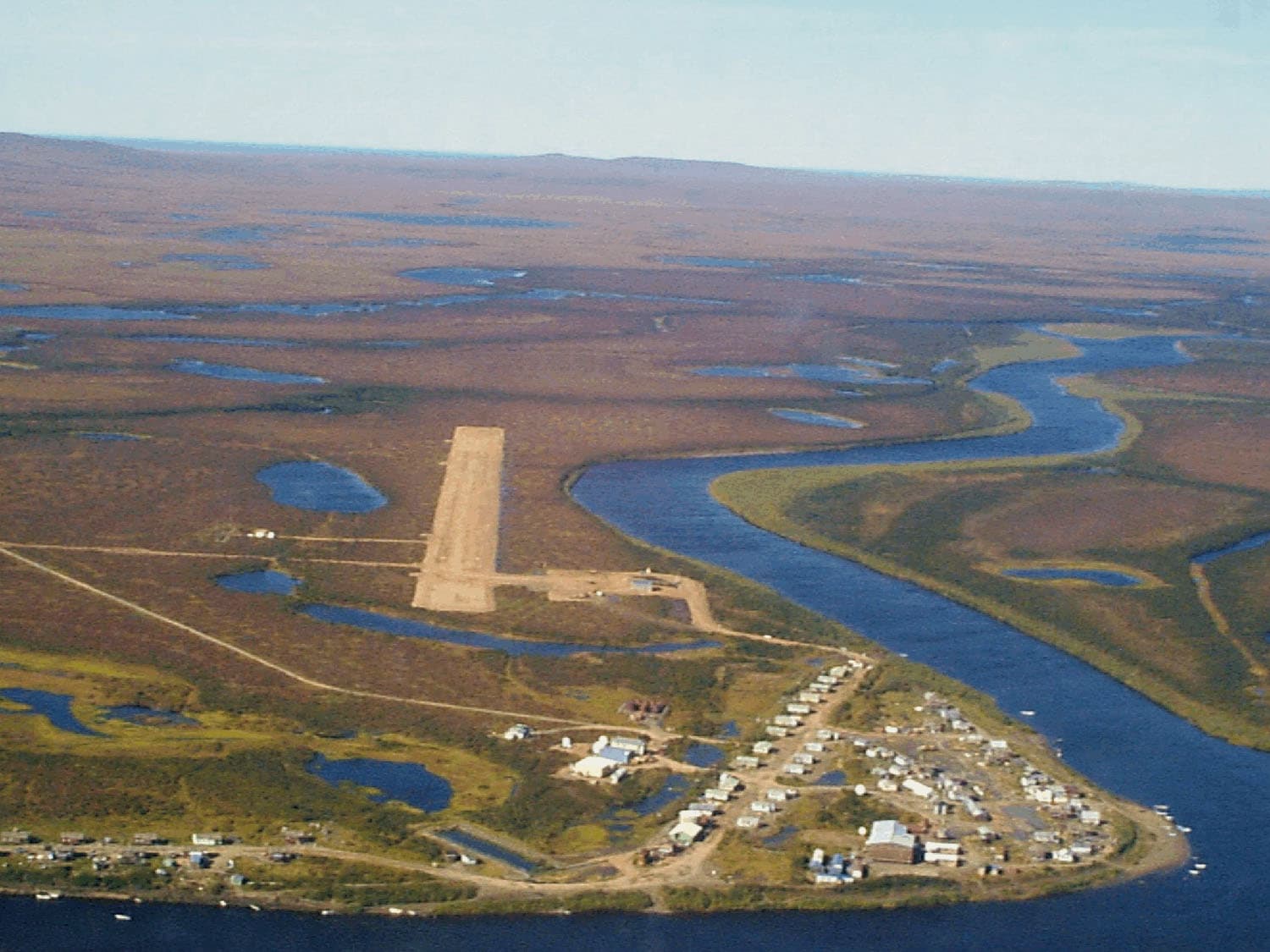
The Diomede Islands lie only a few miles north: Little Diomede (U.S.) offers a small Inupiat community reachable by boat from Wales, while Big Diomede belongs to Russia. Wales itself provides cultural context with its historic whaling heritage and views across the strait. Further afield, the Bering Land Bridge National Preserve on the mainland features ancient archaeological sites and coastal hiking.