Why the Itonomas River Stands Out
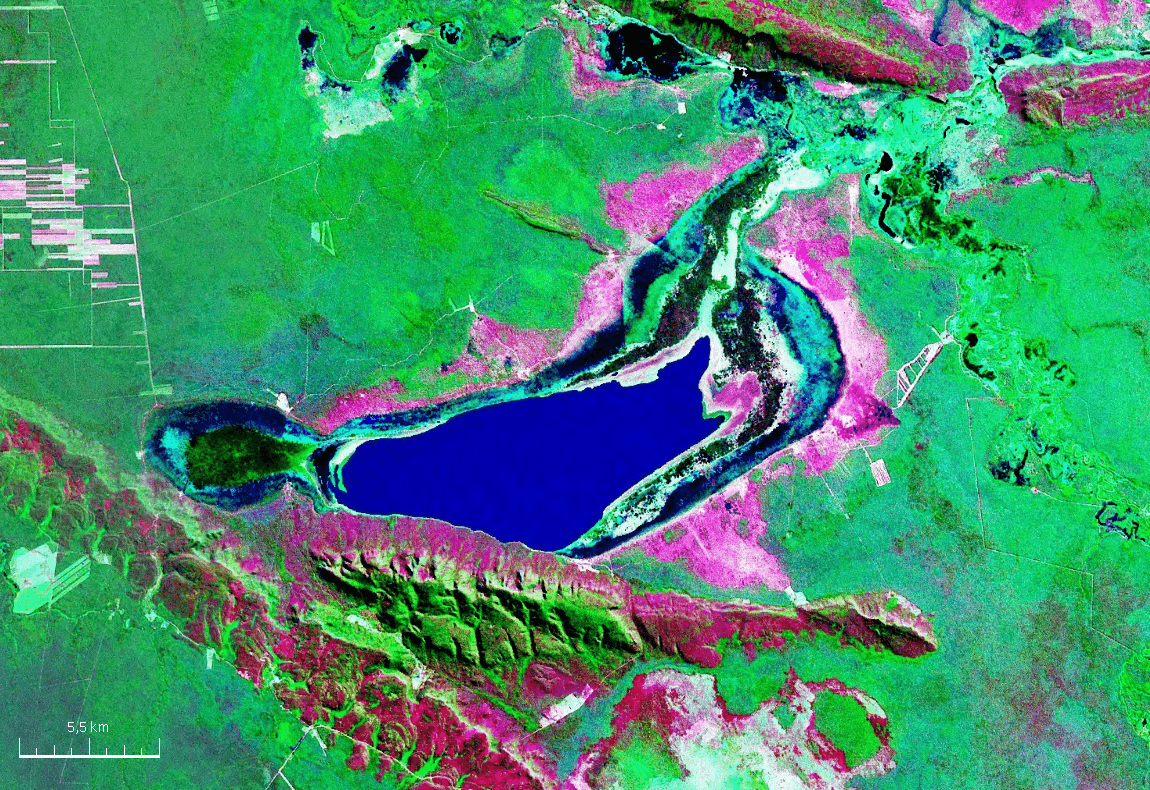
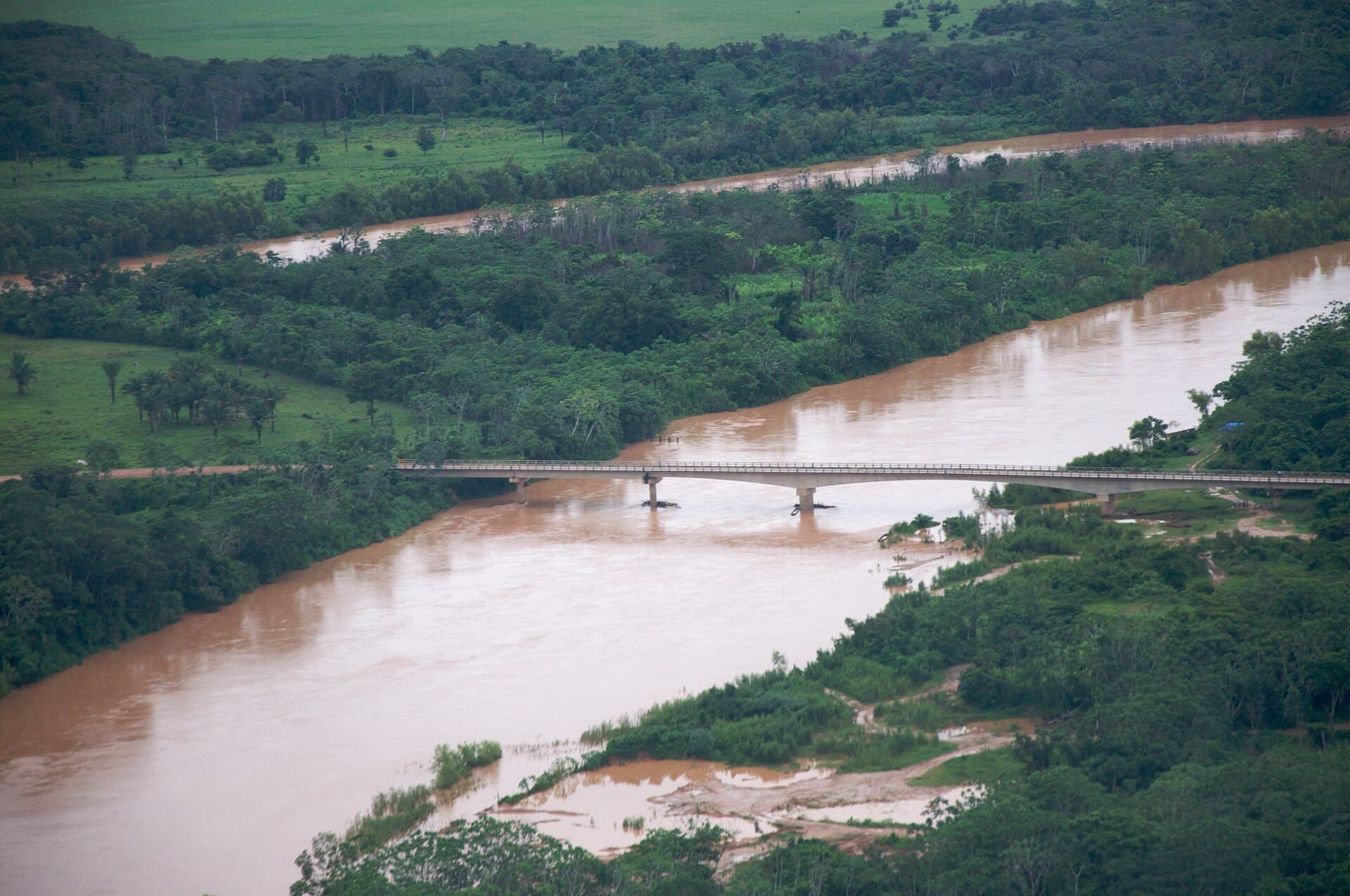
The Itonomas River flows through the Beni Department’s vast savanna and forest mosaic, part of Bolivia’s Amazonian frontier. Its slow-moving waters support abundant birdlife, caimans, and river otters while cutting through seasonally flooded plains that create rich feeding grounds. Travelers seeking genuine wilderness away from crowded Amazon lodges find here an authentic, low-impact experience.
What to See and Do
Boat excursions reveal dense gallery forests and open wetlands. Early morning outings often yield sightings of jabiru storks, herons, and kingfishers. Afternoon drifts allow quiet observation of capybaras along the banks. Fishing for peacock bass or piranha is possible with local guides who know seasonal movements. Short walks on higher ground reveal palm swamps and occasional howler monkey troops.
Practical Activities
- Multi-day canoe or motorized boat trips between remote camps
- Wildlife photography from stable platforms at dawn and dusk
- Community visits to nearby indigenous settlements for cultural context
How to Reach the Itonomas
Most visitors fly into Trinidad, the departmental capital, then arrange road transfer to the river’s upper reaches or boat access points farther north. From Trinidad, the journey combines paved and dirt roads before switching to watercraft. Independent travelers coordinate with local operators who maintain small launches and basic camps along the river corridor.
Best Time to Visit
The dry season from May through October offers the most reliable access. Water levels drop, concentrating wildlife and allowing navigation through narrower channels. The wet season brings dramatic flooding that expands the river’s reach but limits movement and increases insect activity.
Nearby Places Worth Combining
The Itonomas lies within reach of the larger Iténez River system and protected areas such as the Iténez Reserve. Travelers often extend trips toward the Brazilian border or south toward the Llanos de Moxos archaeological landscapes. These connections create multi-week itineraries focused on water routes rather than roads.