Why Corralejo Natural Park Is Worth Visiting
Corralejo Natural Park protects one of Fuerteventura’s most dramatic landscapes: a sweeping field of pale sand dunes that rise and fall like a miniature Sahara right beside the Atlantic. The park’s 2,600 hectares combine mobile dunes, fossilized dunes, lava fields, and rugged coastline, creating a stark contrast between desert and ocean that feels remote even though the lively town of Corralejo sits at its edge.
What to See and Do
Start at the main dune area just north of Corralejo town. Walk barefoot across the soft sand toward the sea; the dunes meet the water at several wide, undeveloped beaches where swimming is possible when the wind is calm. Continue on foot along the coastal path that runs several kilometers north, passing small rocky coves and occasional salt-tolerant plants. Inland trails cross older, vegetated dunes and low volcanic ridges where you may spot Canary Island lizards or migratory birds. The flat terrain makes the park suitable for long, relaxed walks; bring plenty of water and a hat.
Best Time to Visit
Visit between March and May or September and November when temperatures are comfortable for walking and the strong trade winds are less constant. Summer brings intense sun and crowded beaches near town, while winter offers cooler days but stronger winds that can make sand sting exposed skin.
Getting There
Fly into Fuerteventura Airport (FUE). From the airport, the easiest options are a 40-minute taxi ride or the regular bus service that stops in Corralejo. Once in town, the park begins immediately north of the harbor; several informal parking areas lie along the coastal road. No formal visitor center exists, so plan your route using a map before setting out.
Nearby Attractions
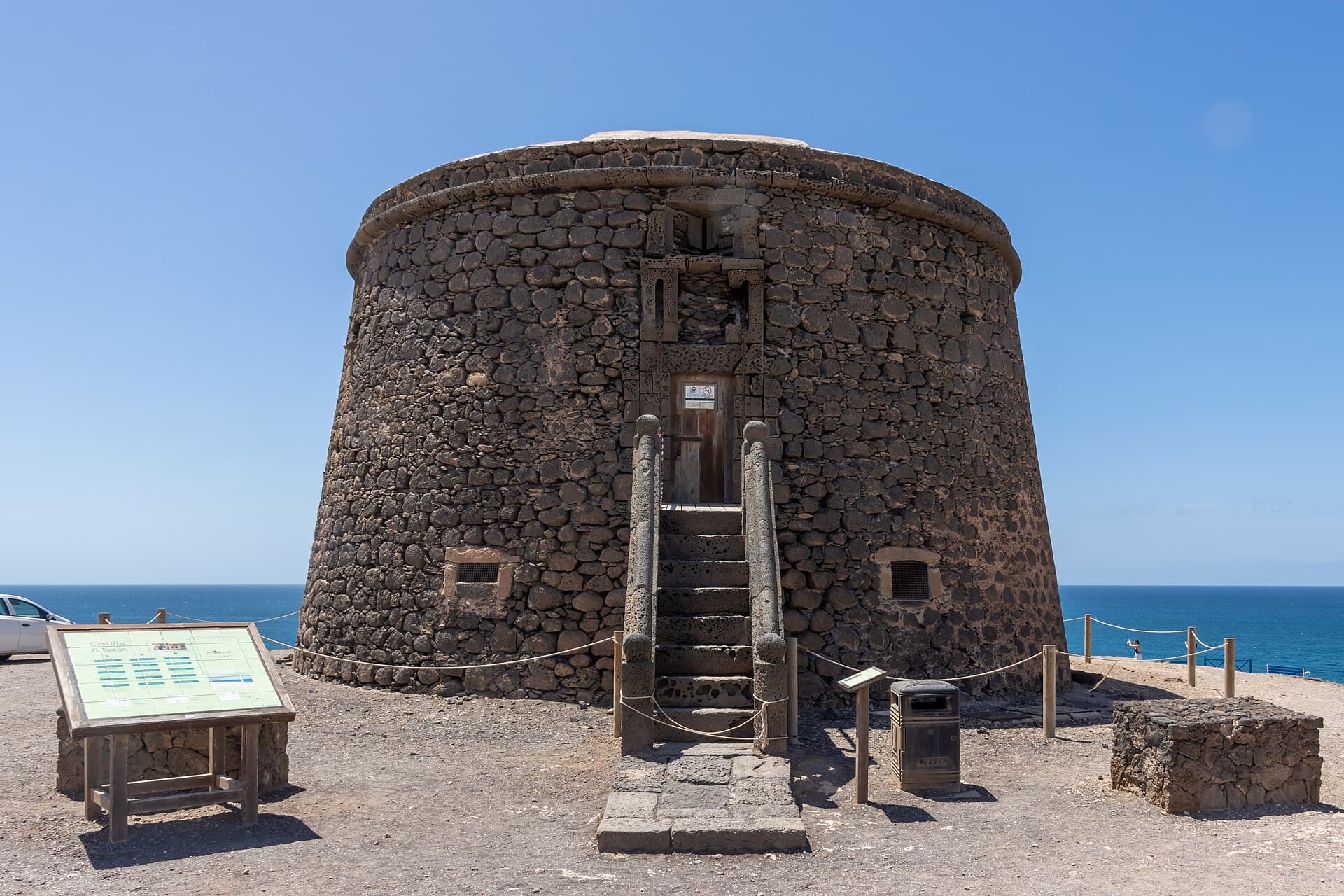
From the harbor in Corralejo you can take a short ferry to Isla de Lobos for quieter hiking and snorkeling. South of the park, the fishing village of El Cotillo offers dramatic cliff views and consistent surf. The park itself connects seamlessly with the beaches of Corralejo, allowing visitors to combine a morning dune walk with an afternoon in town for fresh seafood.