
Lobos Island: Hiking, Beaches and Wildlife in Fuerteventura’s Protected Reserve
A compact volcanic island offering quiet trails, clear-water snorkeling and seabird colonies just a short ferry ride from Corralejo.
Why Lobos Island Is Worth Visiting
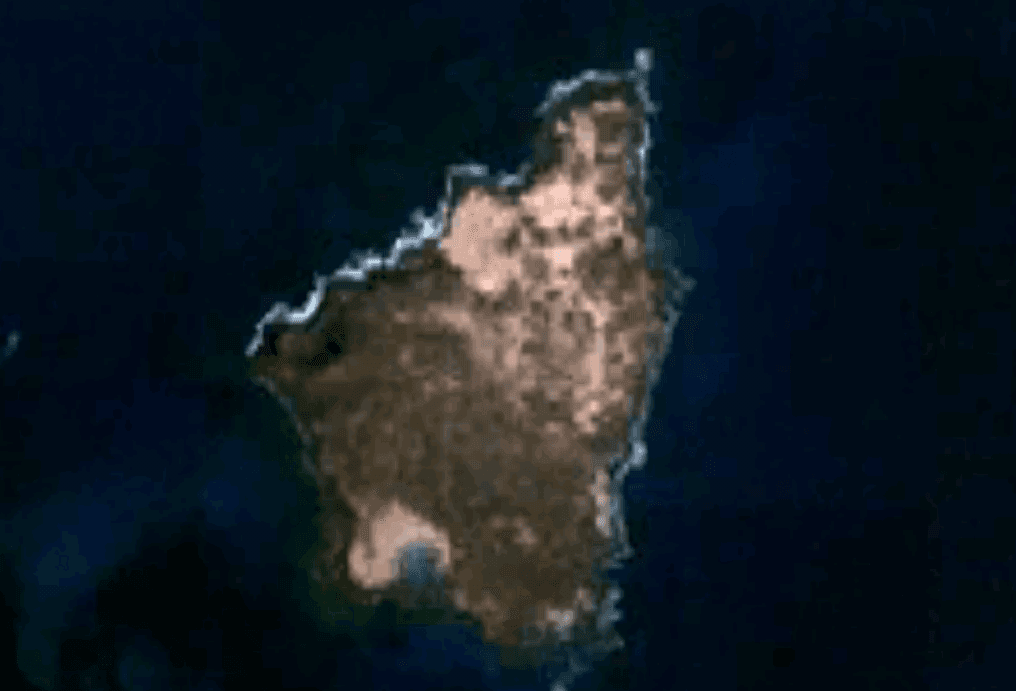
Lobos Island (Isla de Lobos) is a 4.6-square-kilometre volcanic nature reserve whose cone-shaped Montaña de la Caldera rises 127 metres above the sea. The island’s isolation has preserved dune systems, salt flats and colonies of Cory’s shearwaters and ospreys that are rarely seen on busier Fuerteventura beaches. Visitors experience a quiet, car-free landscape of black lava rock meeting turquoise Atlantic water.
How to Reach Lobos Island
Ferries depart from Corralejo harbour on Fuerteventura’s north-east coast; the crossing takes roughly 15 minutes. Public boats run several times daily year-round, and the same operators return passengers in the afternoon. Once ashore, a single path system leads from the small jetty to the main sites; no private boats are permitted to land without prior authorisation from the reserve authority.
Getting There from Further Afield
Most travellers base themselves in Corralejo or the nearby resorts of El Cotillo and Caleta de Fuste. A short taxi or bus ride connects these towns with the harbour. Those staying in southern Fuerteventura should allow an hour’s drive north.
What to See and Do
The 2-kilometre trail to the summit of Montaña de la Caldera offers panoramic views of Fuerteventura and Lanzarote. On the western shore, Playa de la Concha provides sheltered swimming and easy snorkelling over seagrass meadows that shelter parrotfish and octopus. A shorter walk reaches the restored Punta Martiño lighthouse, where a small visitor centre explains the island’s geology and birdlife. The shallow tidal pools at El Puertito are popular for relaxed exploration at low tide.
Wildlife Watching
Bring binoculars for ospreys nesting on the cliffs and for migrant waders that rest on the salt flats. Underwater visibility is often excellent; many visitors rent masks and fins on the ferry for the short boat ride.
Best Time to Visit
Spring (March–May) and autumn (September–November) bring milder temperatures and fewer visitors. Summer can be hot and crowded; winter offers good walking weather but occasional strong winds that may cancel sailings. Early-morning ferries avoid the midday heat and allow time for a relaxed return before the last boat.
Nearby Attractions
After returning to Corralejo, explore the vast dunes of Corralejo Natural Park or the surf beaches around El Cotillo. The small fishing village of Majanicho lies a short drive west and supplies fresh seafood restaurants. Those with extra time can continue to the lava fields and salt works of the Ajuy coast on Fuerteventura’s west side.