Skip to content
Plan & Tour
DestinationsItinerariesTravel BlogAboutContact
0Sign inPlan a trip
Plan & TourPlan & Tour

Travel guides, destination inspiration and curated itineraries for Canada, the USA and beyond, plus a free tool to plan your own day-by-day trip.

Get travel inspiration

Explore

  • All Destinations
  • Curated Itineraries
  • Travel Blog
  • Plan a Trip

Topics

  • Hiking & Nature
  • Food & Drink
  • City Breaks
  • Budget Travel

Company

  • About Us
  • Contact
  • Privacy Policy
  • Terms of Service

© 2026 Plan & Tour. Built for travellers.

Discover the world, one trip at a time.

Collados del Asón Natural Park: Hiking Cantabria’s Karst Canyons and Beech Forests
  1. Home
  2. Destinations
  3. Cantabria
  4. Collados del Asón Natural Park: Hiking Cantabria’s Karst Canyons and Beech Forests
Protected area

Collados del Asón Natural Park: Hiking Cantabria’s Karst Canyons and Beech Forests

A compact mountain park of limestone towers, hidden rivers and ancient woodlands that rewards hikers with quiet trails and dramatic viewpoints.

CantabriaUpdated 9 November 2026

Why Collados del Asón Stands Out

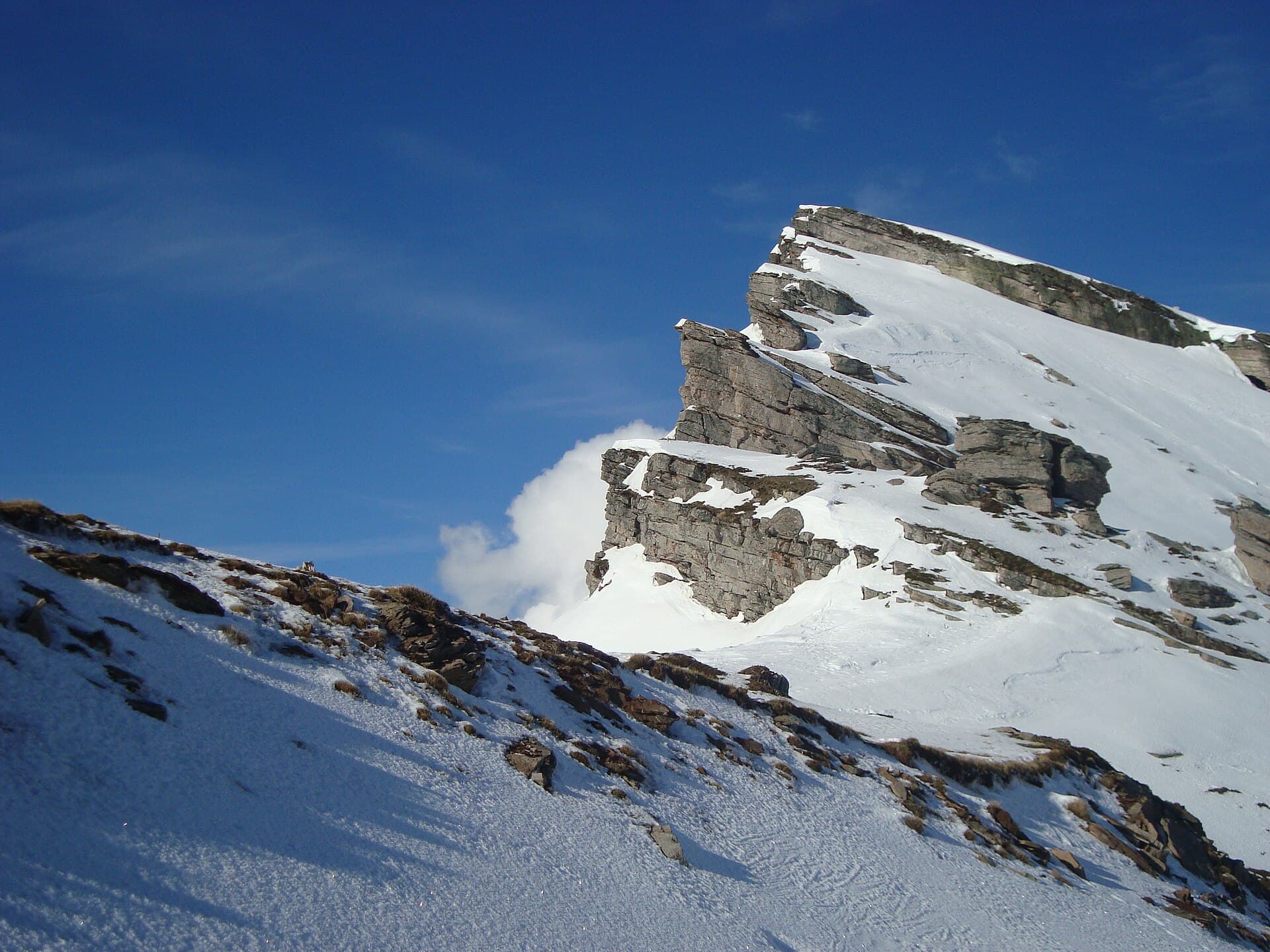
Collados del Asón protects a compact slice of the Cantabrian Mountains where rivers have carved deep limestone gorges and left behind a landscape of towers, sinkholes and underground streams. The park’s mix of Atlantic beech woods, high pastures and karst formations creates habitat for griffon vultures, chamois and rare orchids that are harder to find in the busier Picos de Europa.

Trails and What to See

Signature Walks

The most rewarding route starts at the village of Ramales de la Victoria and climbs the Asón Gorge to the source of the river, passing the dramatic Cueva del Agua waterfall that emerges directly from the rock. Longer loops continue over the Collado de la Sía pass into open meadows with views toward the sea on clear days. Shorter family-friendly paths follow the riverbank through beech forest to the limestone arch at Los Cados.

Geology and Wildlife

Look for swallow holes where surface water vanishes into the limestone and listen for the echo of the subterranean river near the hamlet of Regules. In spring the meadows above 800 m are carpeted with gentians; in autumn the beech woods turn copper. Griffon vultures ride thermals above the cliffs year-round.

Getting There and Getting Around

Most visitors arrive by car from Santander (about 45 minutes via the A-8 and N-629) or from Bilbao (one hour via the AP-8). The park has no central entrance; parking is available at trailheads in Ramales, Arredondo and the Puerto de la Sía pass. Public buses reach Ramales, but onward movement inside the park requires a taxi or bicycle.

Best Time to Visit

Late spring (May–June) and early autumn (September–October) offer mild temperatures, fewer visitors and reliable water in the gorges. July and August bring heat in the valleys and occasional thunderstorms on the ridges. Winter snow can close high passes, though the lower gorge trails remain accessible.

Nearby Places Worth Combining

After a morning in the park, continue to the medieval village of Liendo or the coastal cliffs of the Costa Quebrada. The Cabárceno Nature Park, with its open-air enclosures for Cantabrian brown bears, lies 30 minutes west and makes a good contrast to the wilder terrain of Asón.

Visitor tips

  • Wear sturdy shoes with good grip; many trails cross slippery limestone and wet beech roots.
  • Carry plenty of water; few reliable springs exist above the main gorges once you leave the river.
  • Check the weather forecast for the Puerto de la Su00eda pass before setting outu2014fog can roll in quickly even on sunny valley days.

Frequently asked questions

Do I need a permit to hike in Collados del Asu00f3n?+

No permit is required for standard hiking on marked trails, but organized groups and caving activities should register with the regional environmental office in advance.

Are there any facilities inside the park?+

There are no shops or restaurants within the park boundaries. Basic toilets and information panels are located at the main trailheads in Ramales and at Puerto de la Su00eda.

Is the park suitable for children?+

The riverside paths near Ramales are gentle enough for older children; the steeper climbs to the pass are better suited to fit teenagers or adults.

Can I see bears in the wild here?+

Cantabrian brown bears occasionally pass through but sightings are rare. The nearby Cabu00e1rceno reserve offers a guaranteed view of the species in a semi-wild setting.

What should I do if the weather turns bad on the ridge?+

Descend immediately to the nearest valley trail; the high meadows have little shelter and mobile coverage is patchy above 900 m.

Share
Google Maps Apple Maps Directions

Image: AnaisGoepner · CC BY-SA 4.0 · via Wikimedia Commons

Keep reading

Nearby & related

All stories
Torre Blanca: Hiking the Striking Peak in Cantabria’s Picos de Europa
Cantabria

Torre Blanca: Hiking the Striking Peak in Cantabria’s Picos de Europa

Climb Torre Blanca for sweeping views across the dramatic limestone peaks and valleys of northern Spain’s Picos de…

9 November 2026
Pico Tres Mares: Hiking Cantabria’s Three Seas Peak
Cantabria

Pico Tres Mares: Hiking Cantabria’s Three Seas Peak

Climb the Cantabrian mountain whose slopes send water to three separate seas and enjoy sweeping views of the Picos de…

9 November 2026
Isla Virgen del Mar: Cantabria’s Sacred Rocky Islet Off Santander
Cantabria

Isla Virgen del Mar: Cantabria’s Sacred Rocky Islet Off Santander

A compact granite outcrop crowned by a historic chapel, Isla Virgen del Mar offers boat-accessible views, quiet…

9 November 2026