Why Coipasa Lake Deserves a Visit
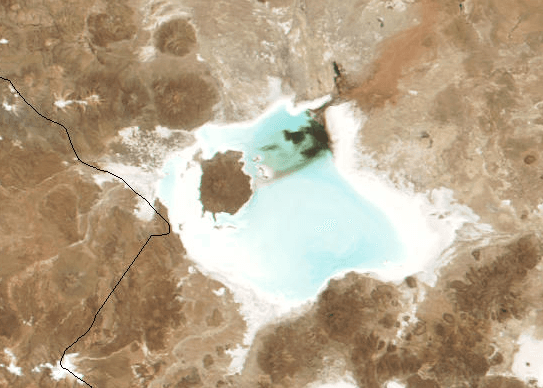
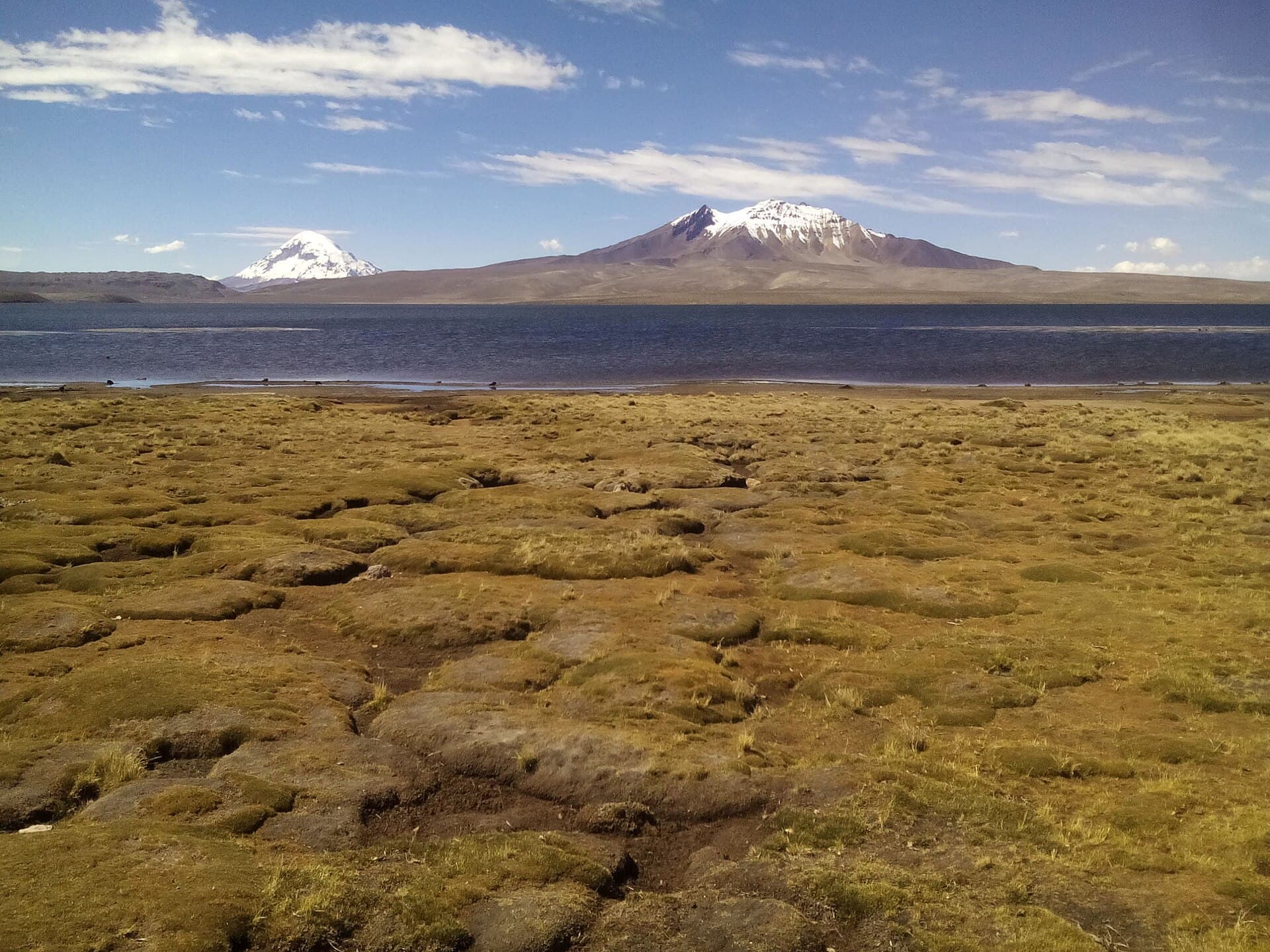
Coipasa Lake sits on Bolivia’s high Altiplano, where a broad salt crust meets shallow seasonal water and distant volcanoes. Unlike the heavily visited Salar de Uyuni, this smaller salt flat remains largely free of crowds, offering visitors a genuine sense of isolation amid endless white horizons and mineral-rich pools.
What to See and Do
The main attraction is walking or driving across the dry salt surface, which stretches for dozens of kilometers and reflects the intense highland light. In the wet season, thin layers of water create mirror-like reflections of the surrounding peaks. Birdwatchers can observe Andean flamingos feeding in the shallow brine; the birds are most visible from the eastern and southern shores. Local Aymara communities near the lake maintain traditional herding practices, and respectful visits to nearby villages reveal salt-harvesting techniques passed down for generations.
Exploring on Foot or by Vehicle
Short walks from the access tracks reveal salt polygons, small gypsum formations, and occasional hot springs where mineral water bubbles to the surface. Four-wheel-drive excursions around the perimeter pass volcanic cones and offer views of the neighboring Coipasa volcano. Photography is rewarding at sunrise and sunset when the salt takes on pink and gold tones.
Getting There
Coipasa Lake lies roughly 200 kilometers southwest of Oruro city. Travelers typically arrange transport in Oruro or continue from Uyuni via the western salt-flat route. Roads are unpaved and can become impassable after rain, so experienced local drivers with sturdy vehicles are essential. No regular public transport reaches the lake itself.
Best Time to Visit
The dry season from May through October brings stable weather, firm salt crusts, and clearer skies. November to April sees occasional flooding that can block access roads, though the flooded salt can produce striking reflections when conditions allow. Nights remain cold year-round, so layered clothing is necessary even in summer.
Nearby Attractions
Many visitors combine Coipasa with the larger Salar de Uyuni to the south or the hot springs and geysers around the village of Coipasa. The route westward leads toward the Chilean border and the Lauca National Park, known for its high-altitude wetlands and vicuña herds. Volcanic landscapes around Tunupa provide additional day-trip options for those with extra time.