Why Coal River Stands Out
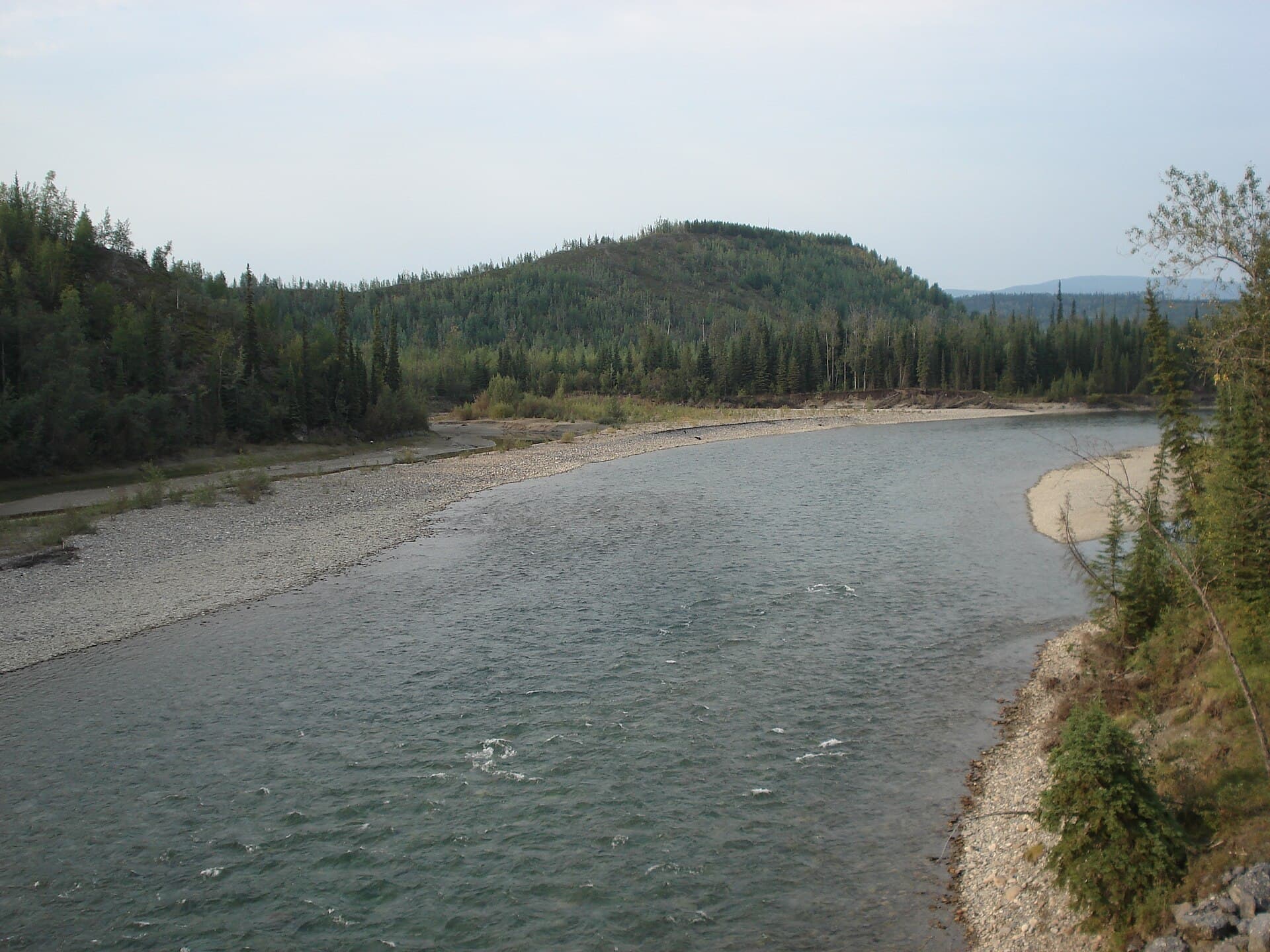
Flowing through remote northern British Columbia, the Coal River carves a path through dense spruce and pine forests in a landscape shaped by glaciers and seasonal floods. Its clear, cold waters support healthy populations of Arctic grayling and bull trout, drawing anglers seeking solitude rather than crowds. The river’s isolation preserves a true wilderness character where moose, black bears, and wolves frequent the banks.
Things to Do on the Coal River
Fishing the Clear Waters
Anglers wade or drift the river’s gravel bars for grayling that rise readily to dry flies during summer hatches. Bull trout inhabit deeper pools, rewarding patient casting with spoons or large streamers. Catch-and-release practices help maintain the fishery in this unregulated stretch.
Paddling and Canoe Trips
Multi-day canoe journeys reveal the river’s gentle current and occasional Class I-II rapids. Paddlers launch upstream and float toward the Liard River confluence, camping on sandbars amid towering cottonwoods. The surrounding taiga offers side hikes to small lakes and eskers.
Wildlife Viewing and Photography
Early morning and evening hours bring the best chances to spot wildlife along the river corridor. Binoculars help identify birds such as osprey, common loons, and migratory waterfowl that use the waterway as a migration route.
Getting There
Access begins with a flight to Watson Lake, Yukon, or Fort Nelson, British Columbia, followed by a long drive on the Alaska Highway to remote put-in points near the British Columbia-Yukon border. Float planes or helicopter charters provide direct drops for those planning extended river trips. No maintained roads reach the river itself, so travelers must arrange vehicle shuttles in advance.
Best Time to Visit
June through early September offers ice-free conditions and long daylight hours ideal for paddling and fishing. Peak flows occur in late June after snowmelt, while August brings lower, clearer water and active insect hatches. Autumn colors appear by mid-September, though temperatures drop quickly and access becomes more challenging.
Nearby Destinations
The Liard River offers an extension of any Coal River float, while nearby provincial parks protect additional boreal forest and hot springs. Watson Lake provides the nearest supplies and serves as a gateway to the Alaska Highway’s scenic pullouts and the famous Sign Post Forest.