Skip to content
Plan & Tour
DestinationsItinerariesTravel BlogAboutContact
0Sign inPlan a trip
Plan & TourPlan & Tour

Travel guides, destination inspiration and curated itineraries for Canada, the USA and beyond, plus a free tool to plan your own day-by-day trip.

Get travel inspiration

Explore

  • All Destinations
  • Curated Itineraries
  • Travel Blog
  • Plan a Trip

Topics

  • Hiking & Nature
  • Food & Drink
  • City Breaks
  • Budget Travel

Company

  • About Us
  • Contact
  • Privacy Policy
  • Terms of Service

© 2026 Plan & Tour. Built for travellers.

Discover the world, one trip at a time.

Chunati Wildlife Sanctuary: A Biodiversity Haven in Bangladesh’s Chattogram Hills
  1. Home
  2. Destinations
  3. Chattogram Division
  4. Chunati Wildlife Sanctuary: A Biodiversity Haven in Bangladesh’s Chattogram Hills
Protected area

Chunati Wildlife Sanctuary: A Biodiversity Haven in Bangladesh’s Chattogram Hills

Explore the dense forests, wild elephants, and birdlife of this protected sanctuary in southern Bangladesh.

Chattogram DivisionUpdated 23 September 2026

Why Visit Chunati Wildlife Sanctuary

Chunati Wildlife Sanctuary protects a vital stretch of tropical evergreen and semi-evergreen forest in Chattogram Division. The reserve supports one of Bangladesh’s last viable populations of Asian elephants and offers visitors a rare chance to experience the country’s lowland hill ecosystem away from crowded coastal resorts.

What to See and Do

Early-morning and late-afternoon walks along the main trails often yield sightings of elephants, barking deer, and troops of capped langurs. More than 150 bird species have been recorded, including the rare green imperial pigeon and several woodpecker species. The sanctuary’s streams and small waterfalls provide cool resting spots during longer hikes. Local forest guards can point out medicinal plants and explain ongoing reforestation projects that have restored hundreds of hectares of degraded hillside.

Guided Experiences

Community-based tourism groups based in the buffer villages offer half-day and full-day walks. These outings combine wildlife observation with demonstrations of traditional bamboo weaving and forest honey collection. Night walks are occasionally arranged under strict supervision to listen for nocturnal mammals and owls.

Getting There

Most visitors start from Chattogram city and travel south along the Dhaka–Chattogram–Cox’s Bazar highway. At the Chunati junction, local transport or hired jeeps cover the final stretch of road into the sanctuary headquarters. The journey passes through tea gardens and small hill villages, giving a scenic introduction to the region. Travelers coming from Cox’s Bazar can reach the same junction in roughly two hours by road.

Best Time to Visit

The driest and most comfortable months are November through February. During this period, trails remain firm, leeches are scarce, and elephant sightings increase as animals move closer to perennial water sources. The monsoon months bring heavy rain that can make paths slippery and increase the risk of flash floods in stream beds.

Nearby Places Worth Exploring

  • Himchari National Park lies to the south and offers additional coastal forest trails.
  • The long sandy beaches of Cox’s Bazar provide a contrast after several days in the hills.
  • Inani Beach and its adjacent protected mangrove patches can be combined with a sanctuary visit for a two-day itinerary.


Visitor tips

  • Hire a local guide from the community tourism groups; trails are unmarked and elephant encounters require experienced oversight.
  • Carry at least two liters of water per person and wear sturdy, quick-drying footwear, as streams must often be crossed.
  • Visit on weekdays to avoid school groups; respect all signage and never attempt to approach elephants.

Frequently asked questions

Are elephants commonly seen in Chunati Wildlife Sanctuary?+

Elephants are present year-round, but sightings are most reliable during the dry season when herds descend to remaining water sources near the main trails.

Is it possible to stay overnight inside the sanctuary?+

Basic forest rest houses exist but must be booked through the Divisional Forest Office in Chattogram. Most visitors stay in nearby villages or return to Coxu2019s Bazar for the night.

Do I need a permit to enter Chunati Wildlife Sanctuary?+

Foreign visitors should register at the sanctuary headquarters upon arrival; a small conservation fee is collected on site.

What should I wear for a visit?+

Long sleeves and trousers protect against insects and thorny undergrowth. Bright colors are discouraged as they can disturb wildlife.

Can I combine Chunati with a beach holiday in Coxu2019s Bazar?+

Yes. The sanctuary sits roughly two hours north of Coxu2019s Bazar, making it an easy day trip or overnight extension from the beach.

Share
Google Maps Apple Maps Directions

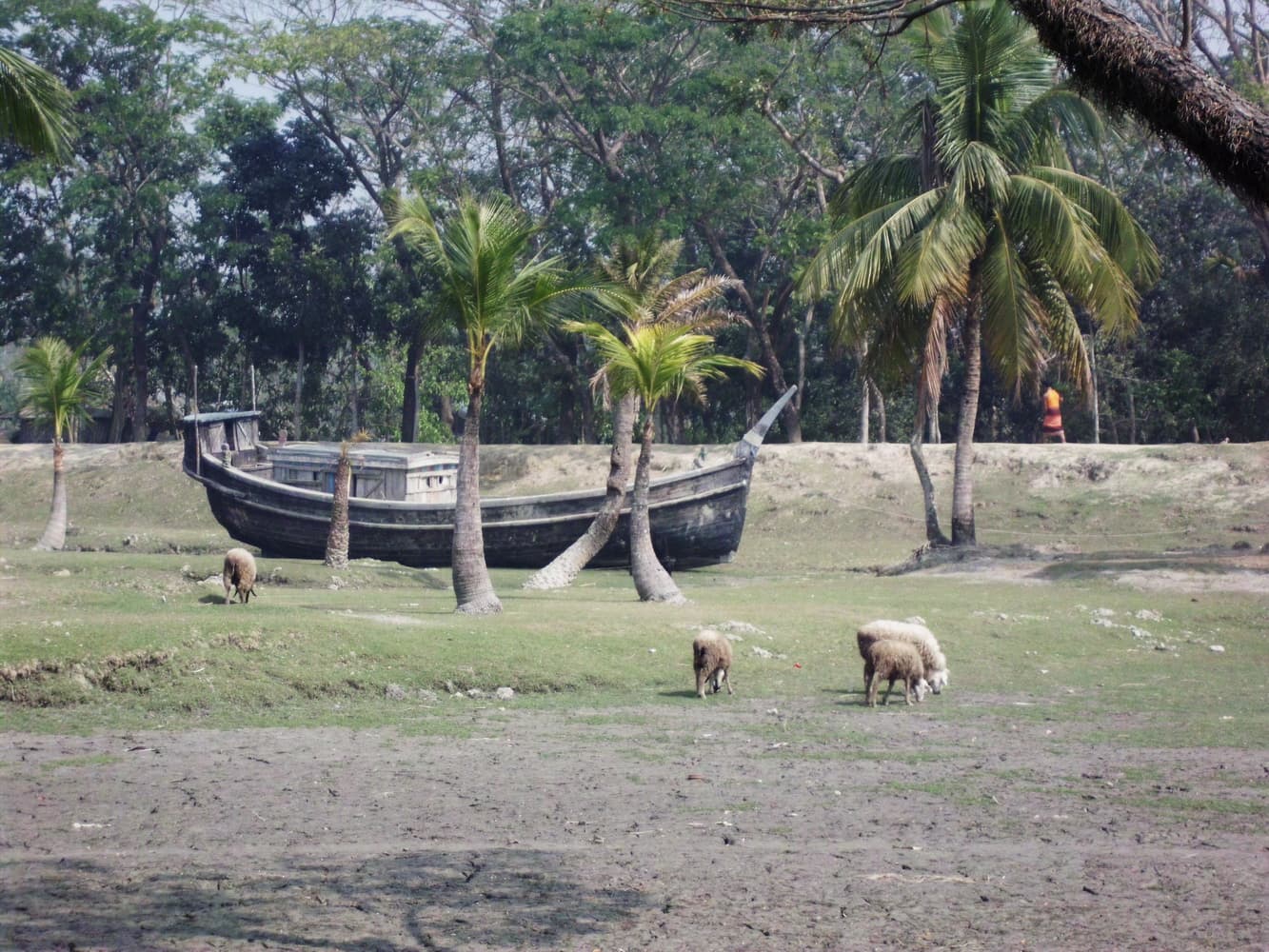
Image: Asif Chowdhury Sadi · CC BY-SA 4.0 · via Wikimedia Commons

Keep reading

Nearby & related

All stories
H
Chattogram Division

Hatia Island: Bangladesh’s Quiet Estuary Escape in Chattogram Division

Hatia Island offers untouched beaches, mangrove creeks and fishing-village life in the Meghna estuary.

23 September 2026
St. Martin’s Island: Bangladesh’s Southernmost Coral Sanctuary
Chattogram Division

St. Martin’s Island: Bangladesh’s Southernmost Coral Sanctuary

Bangladesh’s only coral island offers pristine beaches, rich marine life, and a peaceful escape in the Bay of Bengal.

23 September 2026
Sandwip Island: Bangladesh’s Serene Bay of Bengal Escape
Chattogram Division

Sandwip Island: Bangladesh’s Serene Bay of Bengal Escape

A vast island of quiet beaches, fishing villages, and coconut groves lying just off the Chattogram coast.

23 September 2026