Why Visit Chirikof Island
Chirikof Island stands out for its stark, windswept landscape and layered human history that spans Russian-era fur trading, mid-20th-century cattle ranching, and wartime use. The island lies within the Alaska Maritime National Wildlife Refuge, offering visitors a chance to observe marine mammals, seabirds, and arctic foxes in an environment largely untouched by modern development.
Getting There
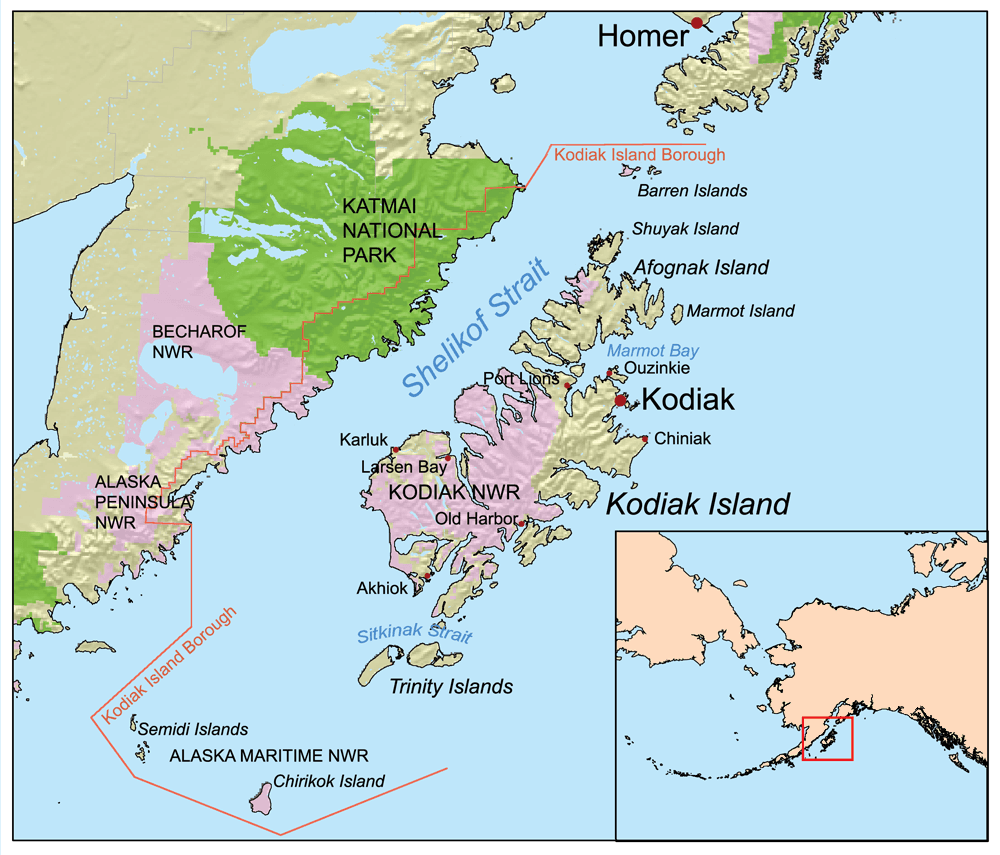
Access requires careful planning from Kodiak or other Alaska Peninsula communities. Most travelers charter small aircraft for the roughly 150-mile flight or arrange boat transport across the Shelikof Strait. Weather windows dictate schedules, and visitors should coordinate with local pilots or outfitters familiar with the island’s limited landing options.
Best Time to Visit
Late spring through early fall provides the most favorable conditions for travel and outdoor activity. Summer months bring longer daylight and milder temperatures, while shoulder seasons may offer fewer visitors and dramatic wildlife migrations. Winter travel is rare due to severe storms and ice.
What to See and Do
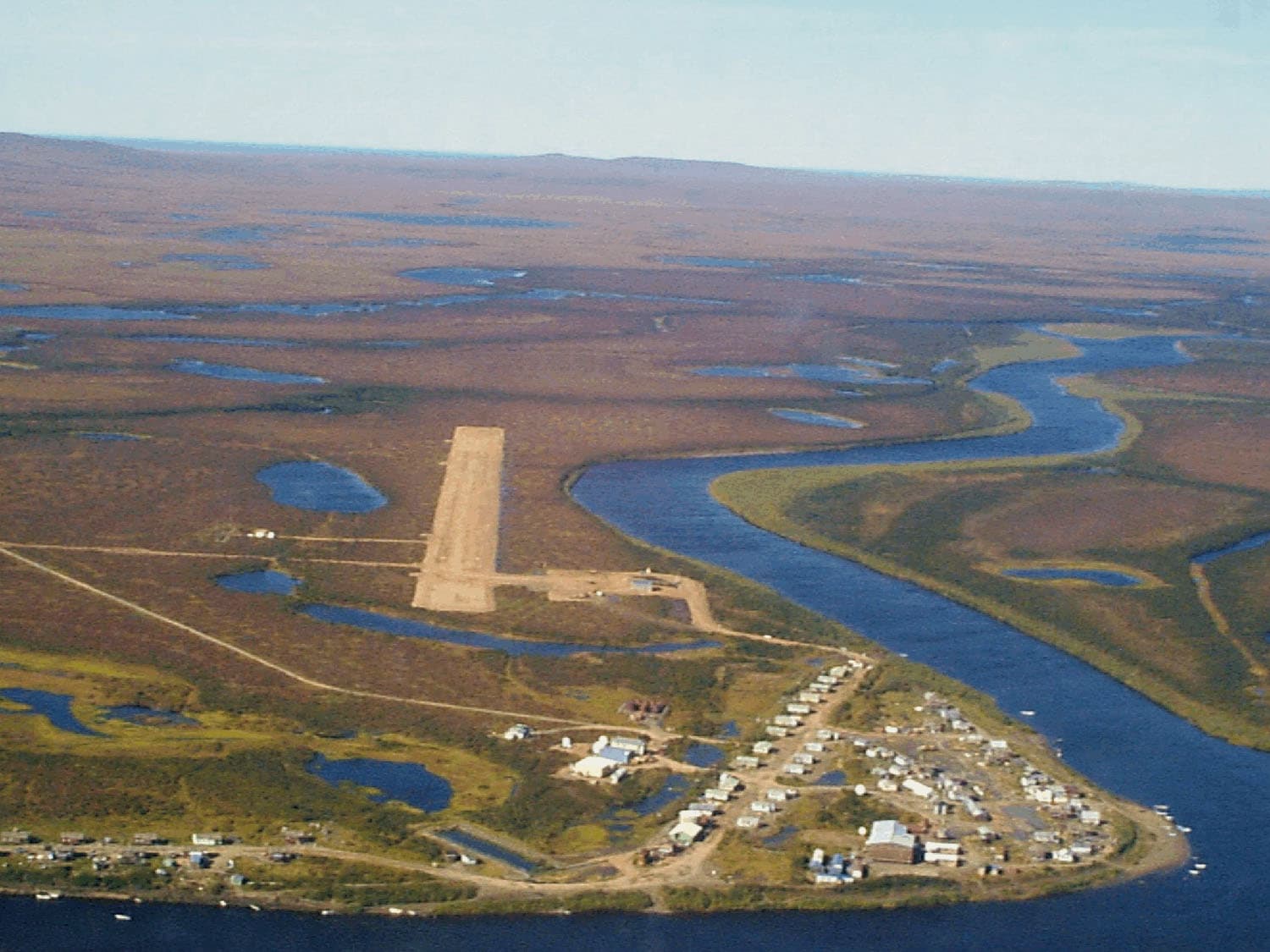
Explore the remnants of historic ranch buildings and a small airstrip that hint at past human activity. Coastal hikes reveal sea lion haul-outs and seabird colonies along dramatic cliffs. Inland, rolling tundra supports caribou and foxes; photographers often target the contrast between open grasslands and the surrounding North Pacific waters. Kayaking or beachcombing around sheltered bays allows close observation of marine life without disturbing nesting areas.
Nearby Places Worth Exploring
- Kodiak Island offers museums, fishing charters, and bear-viewing opportunities as a logical base before or after a Chirikof trip.
- The Alaska Peninsula’s Katmai National Park provides volcanic landscapes and additional wildlife viewing within a short flight or boat ride.
- Smaller islands in the Kodiak Archipelago, such as Tugidak, feature similar seabird colonies for comparative day excursions.
Practical Considerations
Visitors must be fully self-sufficient with food, shelter, and emergency communication. The island has no services, so every item must be carried in and packed out. Respect for cultural sites and wildlife regulations protects the fragile ecosystem for future travelers.