
Keep reading
Nearby & related
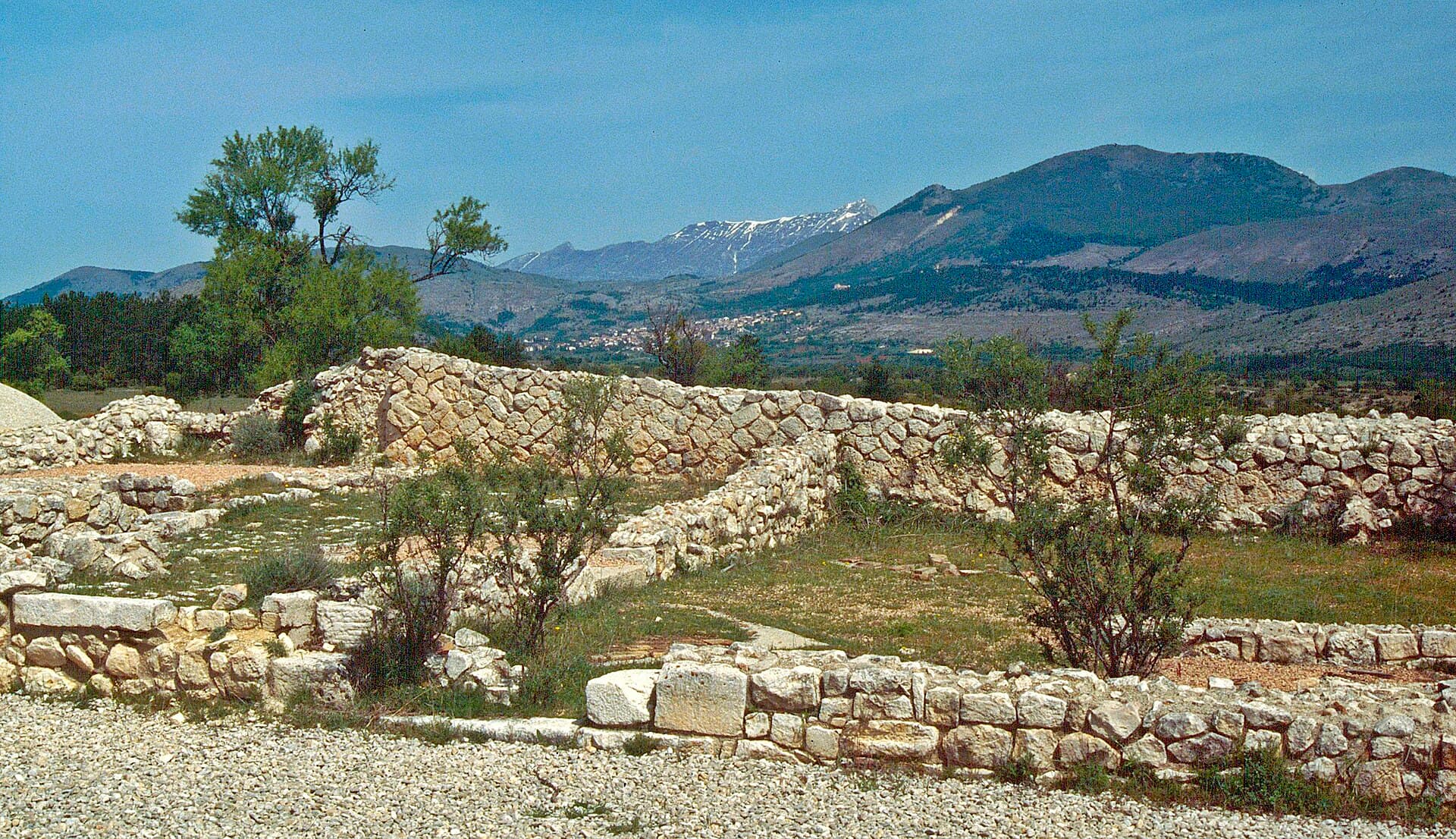
Peltuinum: Tracing Roman Foundations in Abruzzo’s Quiet Valley
Wander the evocative ruins of an ancient Roman municipium set against the rugged Apennine landscape of central Italy.
14 August 2026
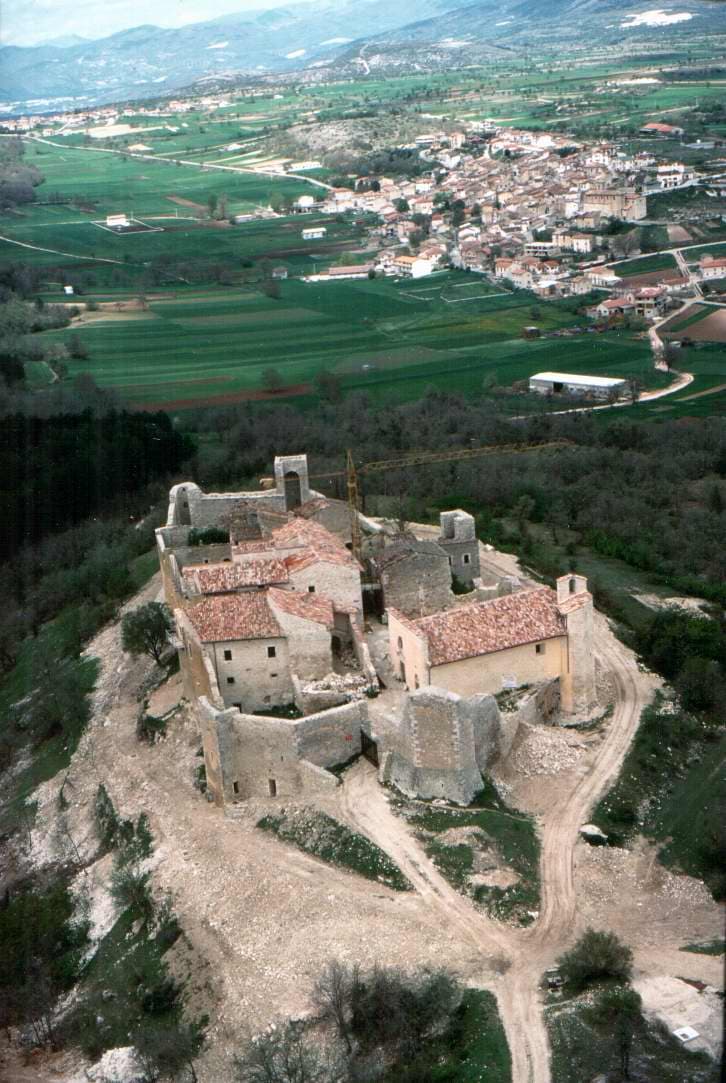
Perched in Abruzzo's rugged hills, this 14th-century fortress reveals the region's feudal history and sweeping mountain vistas.
Camponeschi Castle stands as a testament to the powerful Camponeschi family, who dominated local politics in medieval Abruzzo. Built in the 1300s on a strategic hilltop, the fortress controlled vital trade routes between the Aterno Valley and the Gran Sasso massif. Its thick stone walls and defensive towers reflect the turbulent era of baronial conflicts and shifting alliances with the Kingdom of Naples.
The castle’s layout features a central keep surrounded by curtain walls and remnants of a moat. Visitors can trace the evolution from its original military purpose to later residential additions, including arched windows and a small chapel. The hilltop position provides panoramic views across olive groves, vineyards, and the snow-capped peaks of the Apennines, especially striking at sunrise.
Wander the exterior ramparts and interior courtyards to appreciate the blend of military engineering and later aristocratic touches. The surrounding village of Prata d’Ansidonia offers narrow stone lanes and a Romanesque church that complement the castle visit.
Reach the castle by car via the A25 motorway, exiting toward L’Aquila and following winding local roads through the hills. Public buses from L’Aquila stop in Prata d’Ansidonia, with a short uphill walk to the castle. Parking is available near the village entrance.
Spring and autumn deliver mild temperatures ideal for walking the uneven terrain. Summer brings wildflowers but also heat; winter offers dramatic snowscapes though access may require caution after heavy snowfall.
Keep reading
Wander the evocative ruins of an ancient Roman municipium set against the rugged Apennine landscape of central Italy.
The exterior areas and some ground-level sections are reachable, but steep paths and steps limit full access for wheelchairs or those with limited mobility.
Plan one to two hours to explore the castle grounds, ramparts, and nearby village streets at a relaxed pace.
Occasional local tours may be offered through the municipality; independent exploration with a good map works well for most visitors.
Comfortable shoes, water, a hat, and a camera are essentials; binoculars enhance the panoramic views of the surrounding mountains.
Yes, the castle pairs well with day trips to L'Aquila or hikes in Gran Sasso National Park, both within a short drive.