Keep reading
Nearby & related
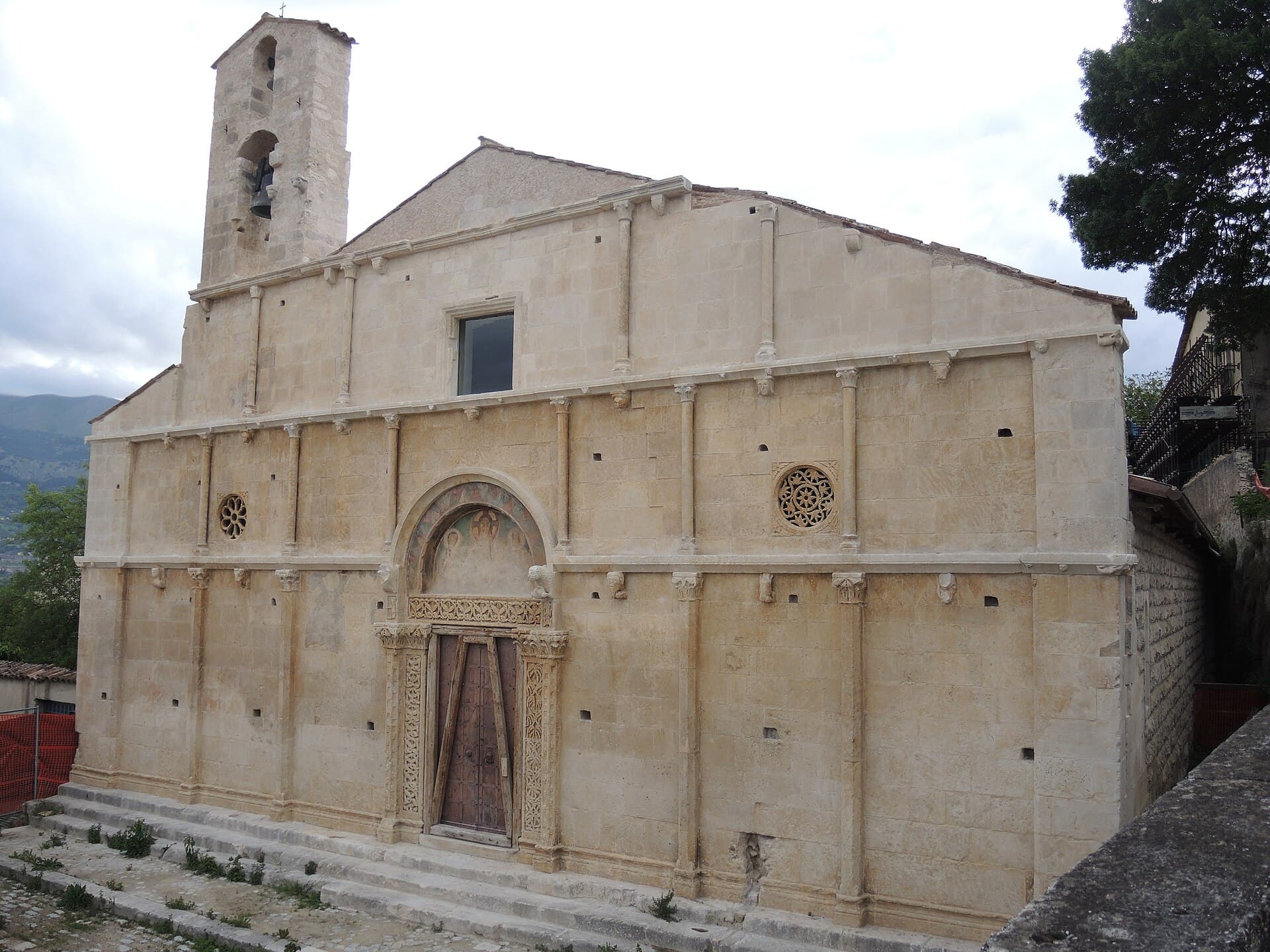
Church of Santa Giusta fuori le mura: L’Aquila’s Serene Romanesque Outpost
Step outside the city walls to discover this 13th-century church’s quiet stone facade and layered history amid Abruzzo’s…
15 August 2026
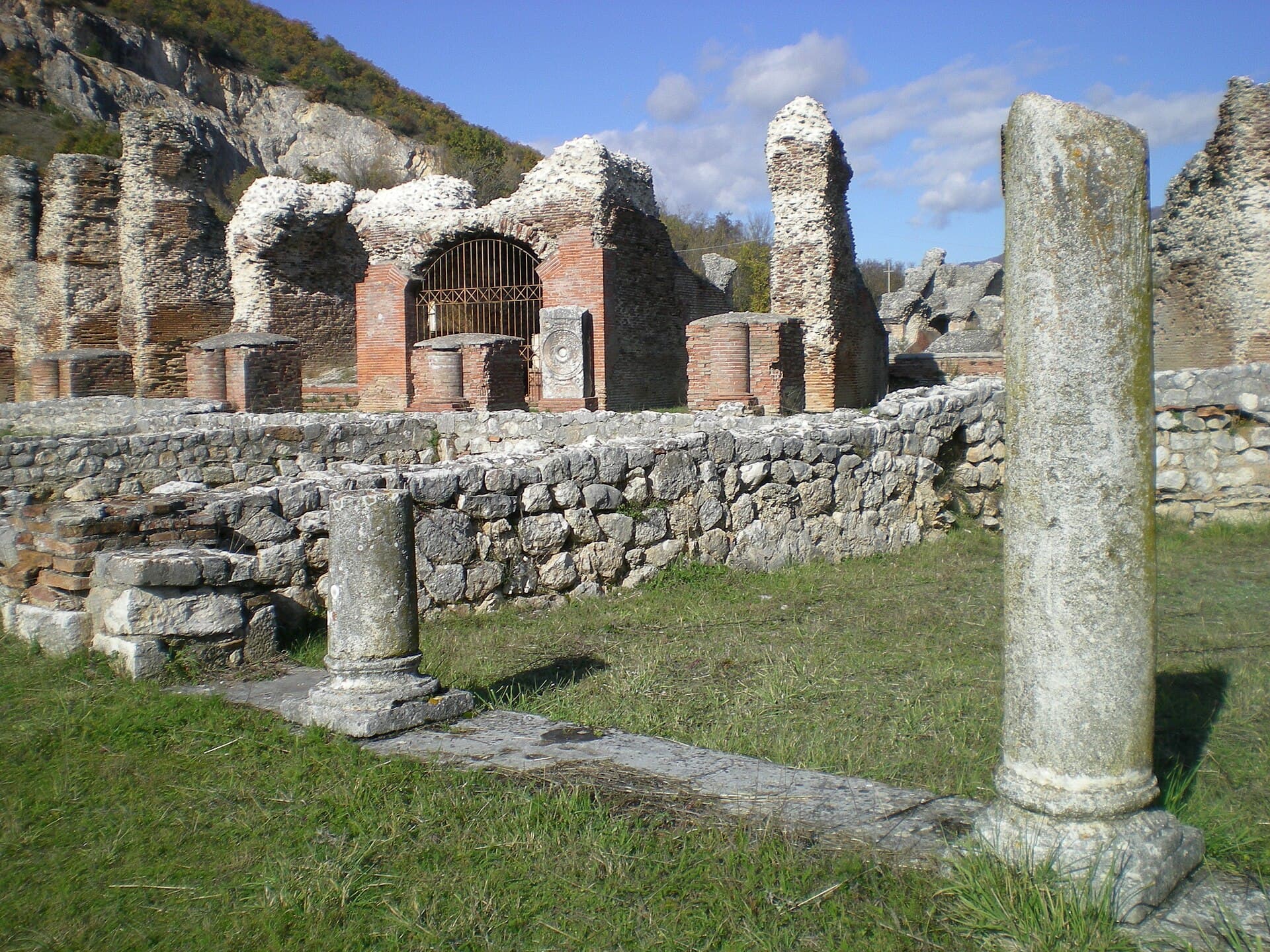
Wander the evocative remains of a Sabine-Roman city featuring one of Italy’s best-preserved ancient theaters just outside L’Aquila.
Set on a gentle hill in the Aterno valley, Amiternum preserves the layout of a Roman municipium that grew from an earlier Sabine settlement. Its open-air location offers sweeping views of the Gran Sasso massif while the surviving monuments reveal daily life in a provincial Roman town.
The star attraction is the large Roman theater, its cavea still largely intact and the stage building partially reconstructed. A short walk leads to the elliptical amphitheater, smaller than Rome’s Colosseum yet impressive in its original seating tiers. Foundations of public baths, a forum, and several domus with mosaic fragments can be traced across the grassy site. Informative panels in Italian and English explain the urban grid and water-supply system.
Allow two to three hours to walk the paths that connect the monuments. The terrain is uneven grass and gravel, so sturdy shoes are essential. Photography is permitted and the low visitor numbers mean you can often have the theater to yourself at midday.
Amiternum lies eight kilometers northwest of L’Aquila. By car, take the SS17 toward Pizzoli and follow brown tourist signs. Several daily buses run from L’Aquila’s Collemaggio terminal to the nearby village of San Vittorino; the site is a ten-minute uphill walk from the stop. No on-site parking fee applies, but spaces fill on summer weekends.
Spring (April–June) and early autumn (September–October) bring mild temperatures ideal for open-air exploration. Summer afternoons can be hot and the grass turns dry; winter visits are possible but the site may be muddy after snowmelt. Early morning or late afternoon light is best for photographs of the theater against the mountain backdrop.
Combine a visit with the medieval hill town of Santo Stefano di Sessanio or the fortress of Rocca Calascio, both within a 45-minute drive. The Gran Sasso e Monti della Laga National Park offers hiking trails that start just beyond the archaeological area.
Keep reading
Step outside the city walls to discover this 13th-century church’s quiet stone facade and layered history amid Abruzzo’s…
Yes, the open spaces and visible theater make it engaging for families, though the uneven ground requires supervision for younger children.
Local guides can be arranged through the Lu2019Aquila tourist office; independent visitors rely on the on-site information panels.
Yes, a free parking area lies at the entrance; the road is narrow but paved.
Only the theater area has relatively flat access; the rest of the site involves slopes and grass that may be challenging for wheelchairs.
Many travelers continue to the Gran Sasso National Park or the hill town of Santo Stefano di Sessanio the same day.
This 13th-century church in Abruzzo’s capital showcases medieval stonework and quiet spiritual atmosphere amid the…
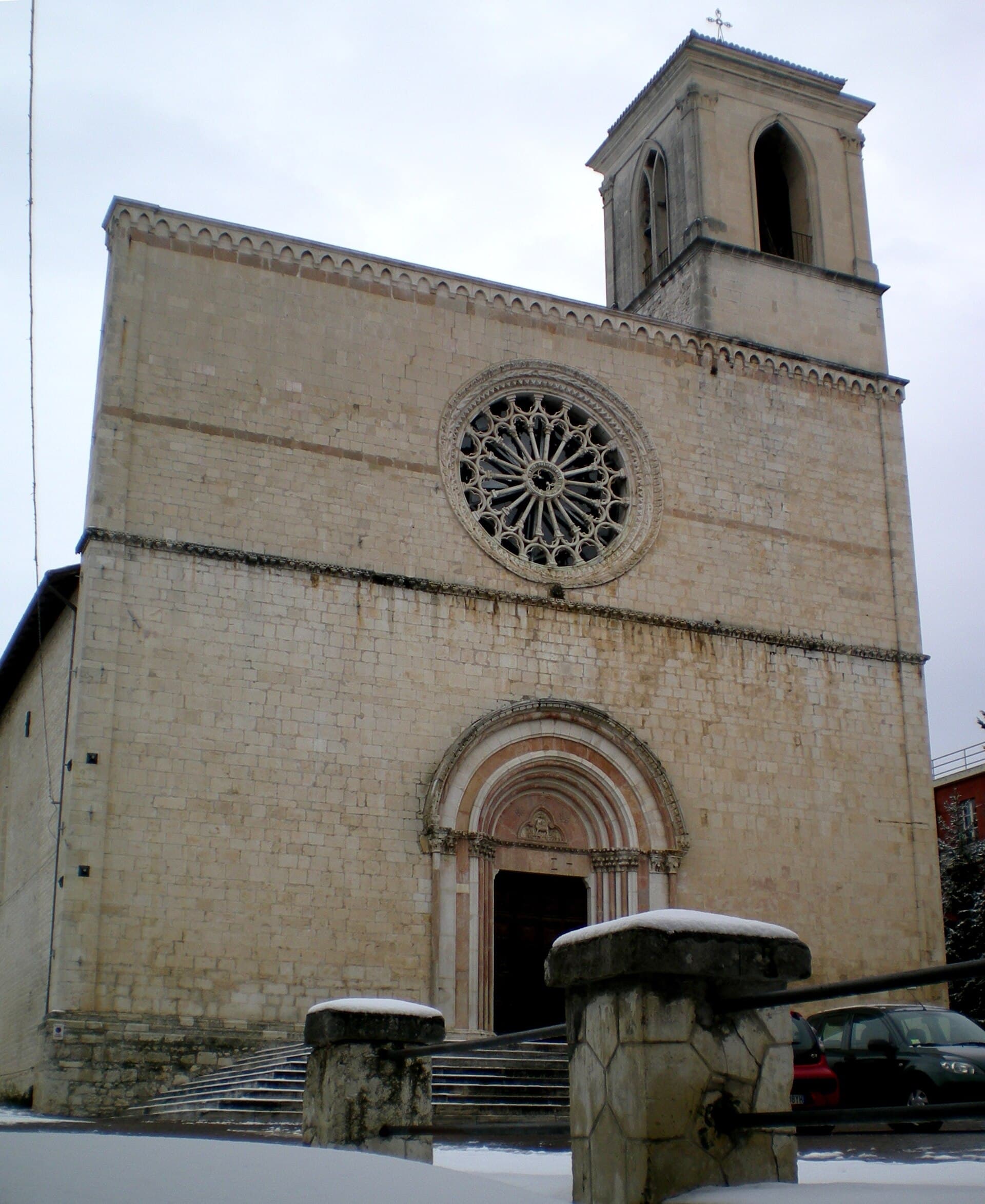
Step inside one of L’Aquila’s oldest churches to experience medieval architecture and the city’s remarkable…