Why Visit Cáceres Lake
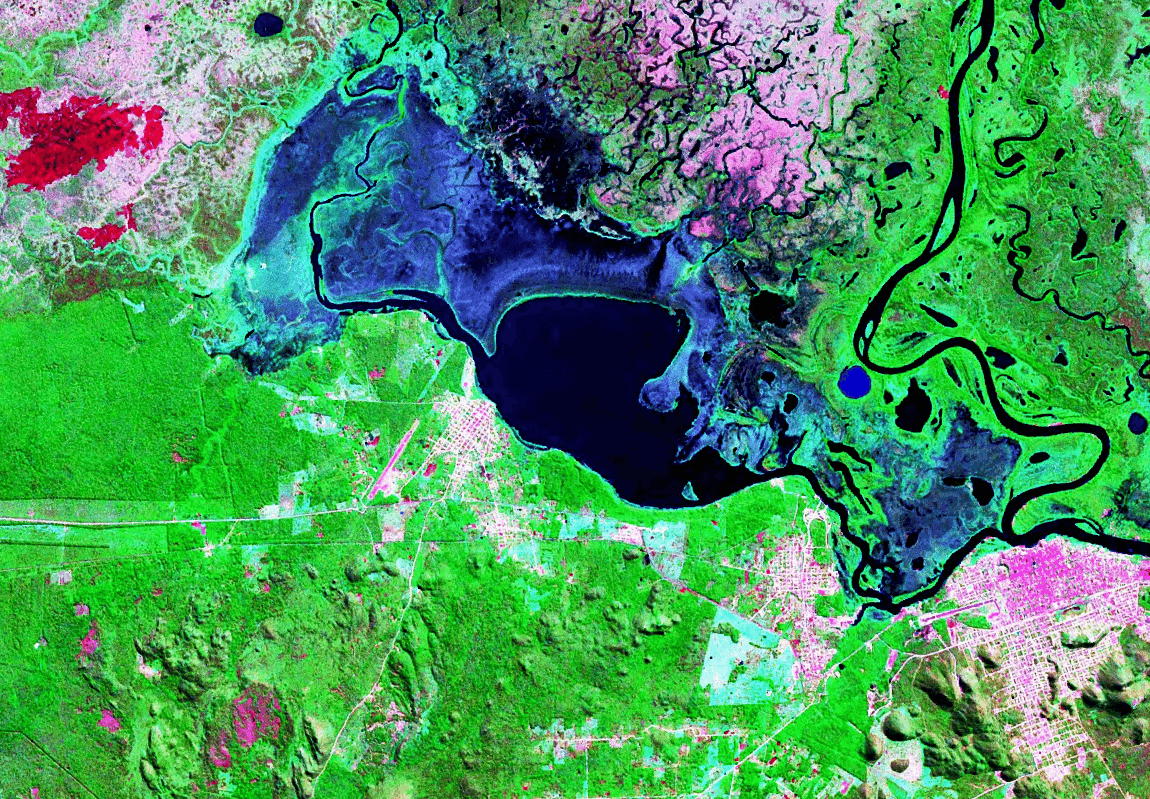
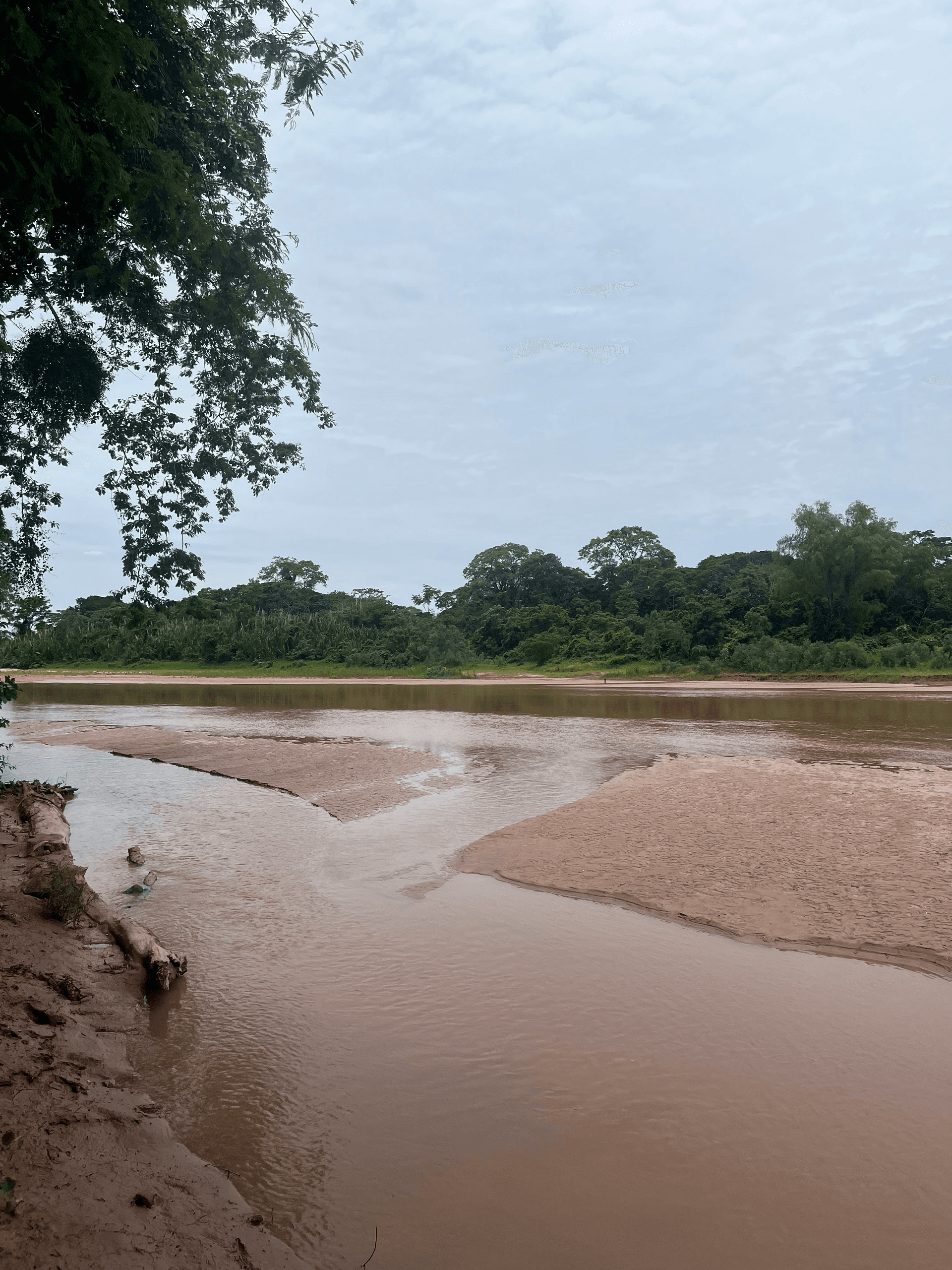
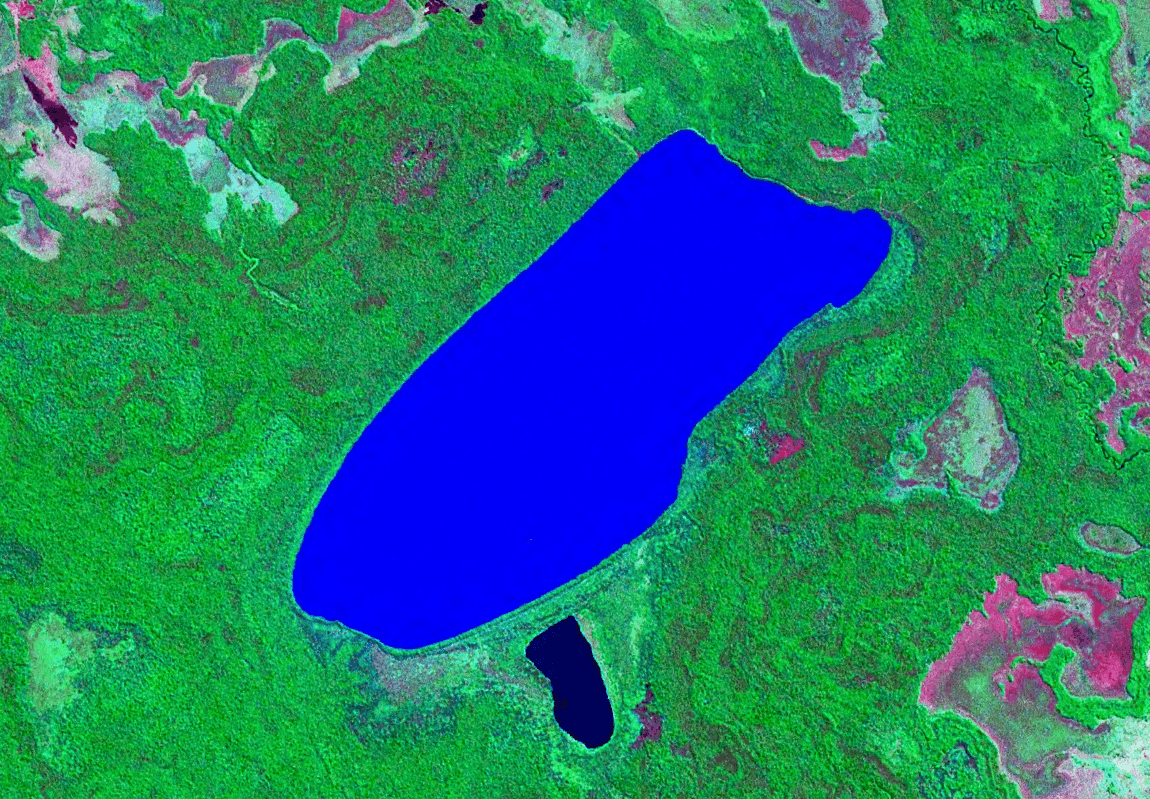
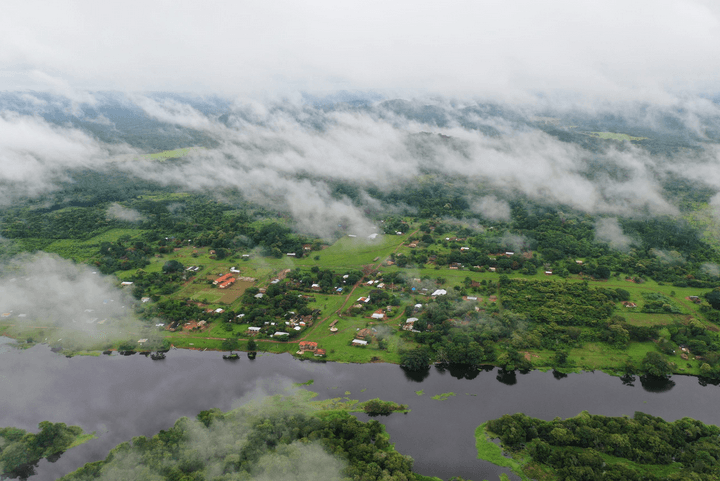
Cáceres Lake sits in the vast Pantanal wetlands of Bolivia’s Santa Cruz Department, offering visitors an authentic slice of one of South America’s most important ecosystems. The lake’s shallow waters and surrounding marshes support dense populations of birds, reptiles, and mammals that thrive in this seasonally flooded landscape. Travelers seeking quiet nature experiences find the area far less crowded than Brazilian sections of the Pantanal, with sweeping views of open water and gallery forests.
Wildlife and Activities
Birdwatchers can observe jabiru storks, roseate spoonbills, and numerous heron species from the shoreline or small boats. Capybaras often graze near the water’s edge at dawn, while caimans bask on muddy banks. Local boat operators lead half-day excursions focused on fishing for piranha or simply drifting to watch wildlife. Sunset cruises reveal dramatic skies reflected in the still water and the calls of nocturnal birds.
Getting There
Most visitors reach Cáceres Lake via the town of Puerto Suárez, roughly 10 kilometers away. From Santa Cruz de la Sierra, travelers can fly into Puerto Suárez’s small airport or take an overnight bus to the border region. From Puerto Suárez, short taxi or moto-taxi rides lead to lakeside lodges or boat launches. Cross-border travelers from Corumbá, Brazil, can arrange transfers with advance notice.
Best Time to Visit
The dry season from May through October offers the best wildlife viewing as receding waters concentrate animals around remaining pools. Temperatures remain warm but manageable, and mosquitoes are fewer than in the wet months. November to April brings heavy rains that can make access difficult, though the landscape turns lush and green.
Nearby Attractions
Many visitors combine a lake stay with exploration of the broader Pantanal wetlands south of Puerto Suárez. Day trips to the Ñembi Guasu conservation area reveal additional savanna and forest habitats. The nearby border town of Puerto Suárez provides basic supplies and a glimpse into regional life, while the Brazilian Pantanal town of Corumbá offers more extensive services for those crossing the border.