Why Visit Boom Mountain
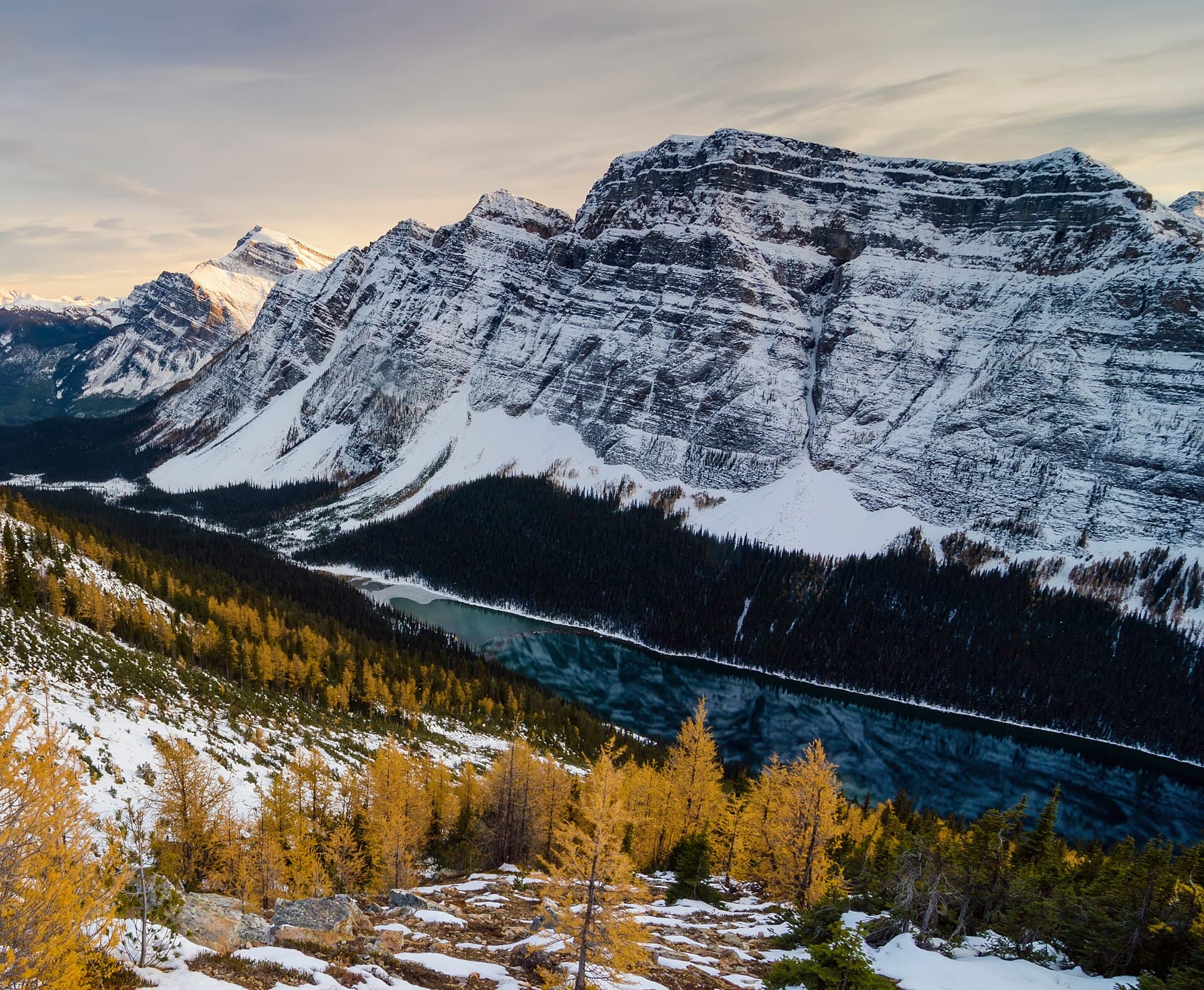
Boom Mountain rises prominently in Yoho National Park, offering hikers sweeping vistas of the surrounding peaks, valleys, and icefields without requiring technical climbing skills. Its location near the Trans-Canada Highway makes it a rewarding day trip for those exploring the region between Lake Louise and Field.
Getting There
Access begins from the Trans-Canada Highway east of Field. Park at the signed trailhead pullout and follow the well-defined path that climbs steadily through subalpine forest before emerging onto open slopes. The approach is straightforward for most fit hikers, though the final sections involve loose rock and moderate exposure.
Best Time to Visit
July through early September provides the most reliable conditions, with snow-free trails and long daylight hours. Earlier in the season, avalanche debris and lingering snow can complicate the route, while autumn brings cooler temperatures and fewer crowds but shorter days.
Activities and What to See
The main draw is the summit push, which rewards climbers with 360-degree panoramas including glimpses of the Waputik Icefield and surrounding rock spires. Along the way, watch for wildflowers in July and resident wildlife such as marmots and mountain goats. Photographers find excellent light in the morning when the east-facing slopes catch the first sun.
- Combine the hike with a stop at nearby Takakkaw Falls for a full-day itinerary.
- Extend the outing by exploring the interpretive trails around Emerald Lake, just a short drive west.
- Bring binoculars for spotting distant glaciers and raptors riding thermals.
Nearby Attractions
Yoho National Park offers additional highlights within a 30-minute drive, including the Natural Bridge rock formation and the historic townsite of Field with its small cafés and railway museum. Visitors often pair Boom Mountain with a scenic drive over the Kicking Horse Pass for broader park exploration.