Why Bogoslof Island Stands Out
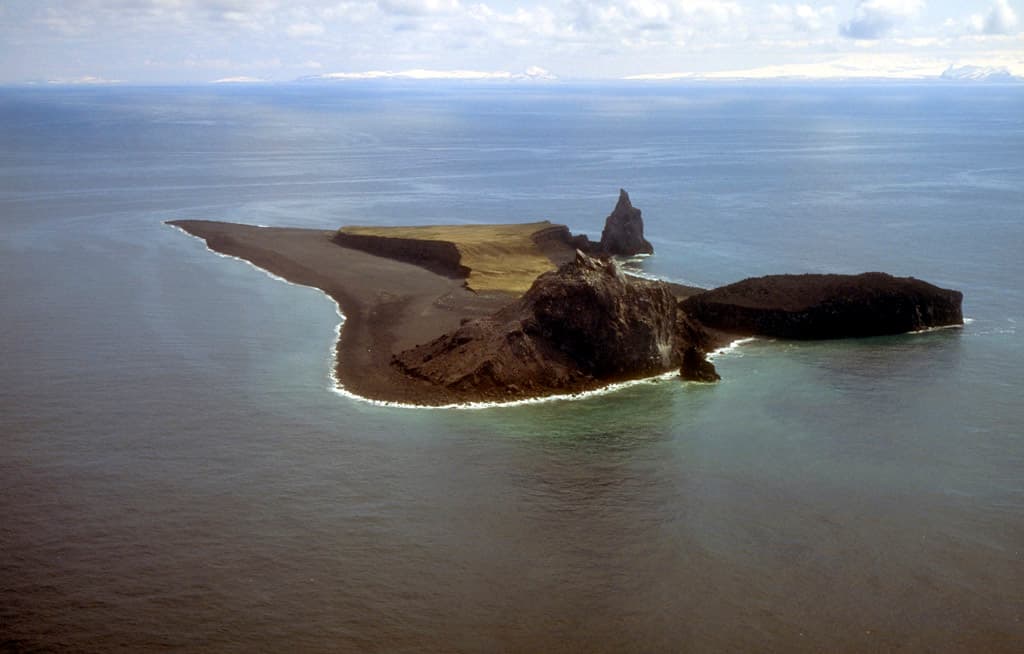
Bogoslof Island rises abruptly from the Bering Sea as a steaming, ever-shifting volcanic cone in the Aleutian chain. Its frequent eruptions have built and reshaped the island multiple times, creating steep cliffs, fumaroles, and a central crater lake that draws seabirds and marine mammals. The isolation keeps visitor numbers low, preserving a raw wilderness experience unavailable at more accessible Alaska sites.
How to Reach Bogoslof Island
Reaching the island requires careful planning. Most travelers join multi-day boat or small-ship cruises departing from Dutch Harbor on Unalaska Island. Fixed-wing flights from Anchorage to Dutch Harbor provide the starting point, followed by sea travel that can take several hours depending on weather and route. Private charters or research vessels occasionally approach closer, but landing is rarely permitted to protect nesting colonies.
Best Time to Visit
Summer months from June through August bring the mildest seas and longest daylight for wildlife viewing. Volcanic activity can occur any season, yet calmer waters reduce seasickness risk during the open-water crossing. Winter visits are impractical due to storms and ice.
What to See and Do
From the water, visitors scan sheer cliffs for thick-billed murres, tufted puffins, and northern fur seals hauled out on narrow beaches. Steam vents along the shoreline create misty plumes that contrast with the dark volcanic rock. Photographers capture time-lapse changes after eruptions, while birders note seasonal shifts in auklet and kittiwake numbers. No trails exist on the island itself; all observation happens from vessels maintaining a respectful distance.
Nearby Places Worth Combining
Many itineraries pair Bogoslof with stops at nearby Unalaska for Russian Orthodox church tours and World War II history sites. The larger Aleutian arc offers additional volcanic islands such as Akutan and Makushin, visible on clear days during the same cruise.
Practical Considerations
Strong winds, sudden fog, and volcanic ash can alter plans quickly, so travelers should build flexible schedules. Binoculars and waterproof layers are essential for long hours on deck. Guides provide updates on current volcanic alerts issued by the Alaska Volcano Observatory.