Why Black Peak Stands Out
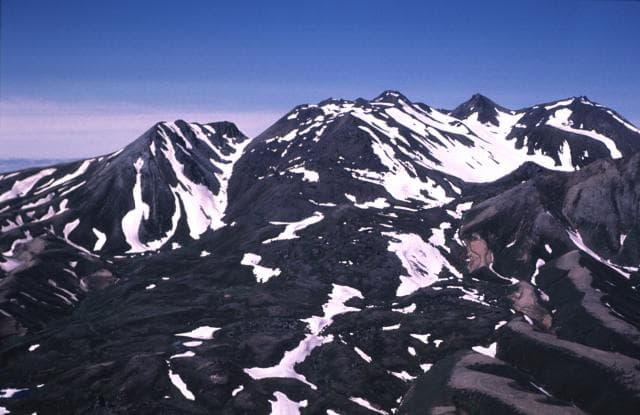
Black Peak rises on the Alaska Peninsula in a landscape shaped by volcanic activity and vast wilderness. Its dark slopes and rugged ridgelines provide a stark contrast to the surrounding tundra and lakes, making it a compelling destination for those seeking solitude and dramatic scenery away from crowded parks.
Reaching the Mountain
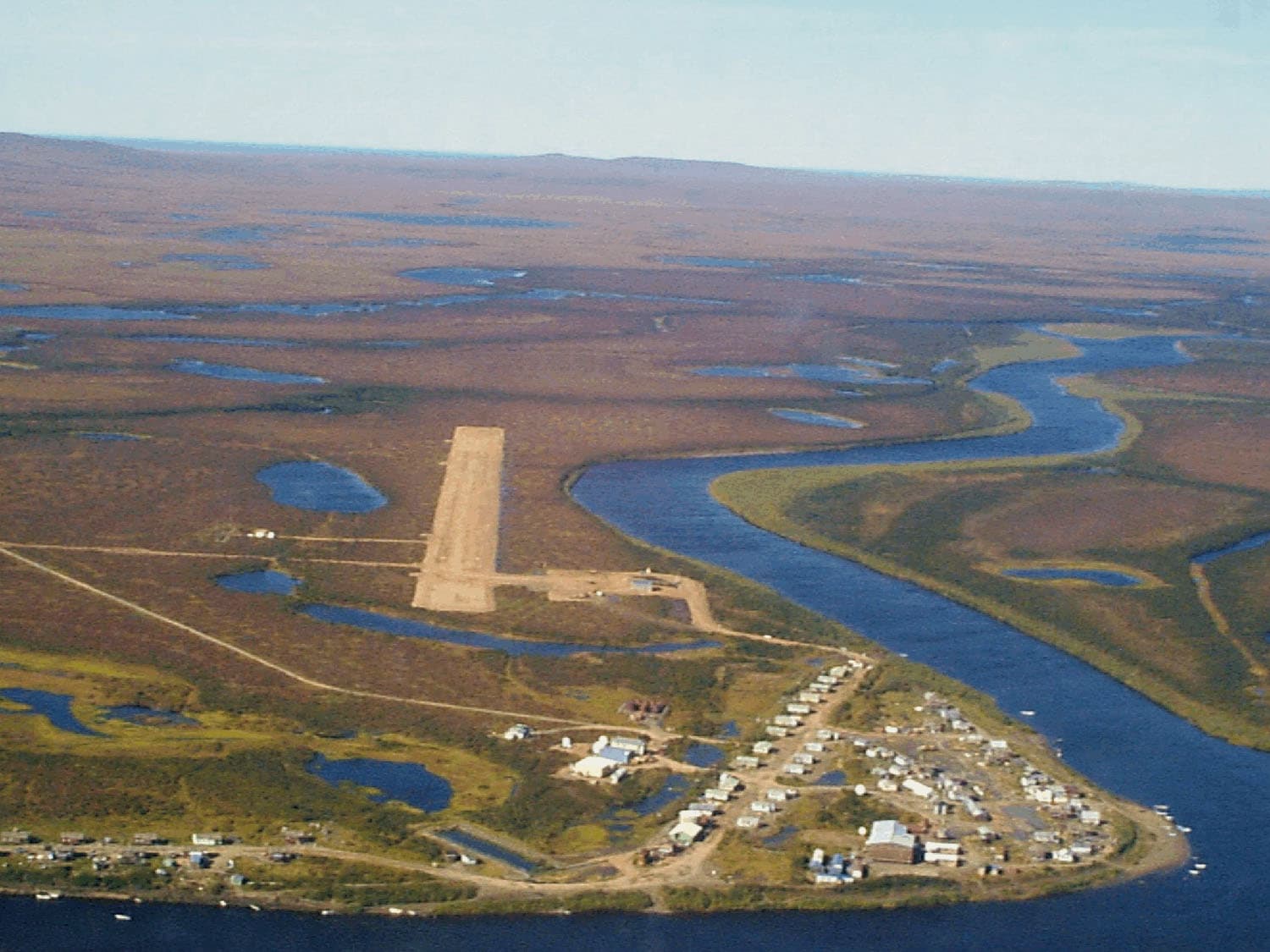
Access begins with flights to King Salmon or Dillingham. From there, travelers arrange float-plane charters or boat transport across nearby waterways to trailheads or base camps. No roads lead directly to the peak, preserving its remote character and requiring careful planning for gear and timing.
Best Time to Visit
June through early September offers the most reliable weather for hiking and summit attempts. Snow lingers late into spring, while fall brings early storms. Summer daylight allows long days on the trail, though visitors must prepare for sudden rain, wind, and fog common to the peninsula.
Trails and Routes
Established paths are minimal. Most routes involve cross-country travel across tundra and scree fields toward the summit. Experienced hikers navigate using maps and GPS, gaining elevation steadily while watching for loose rock. The effort rewards climbers with panoramic vistas of the surrounding national wildlife refuges and distant volcanoes.
Wildlife and Scenery
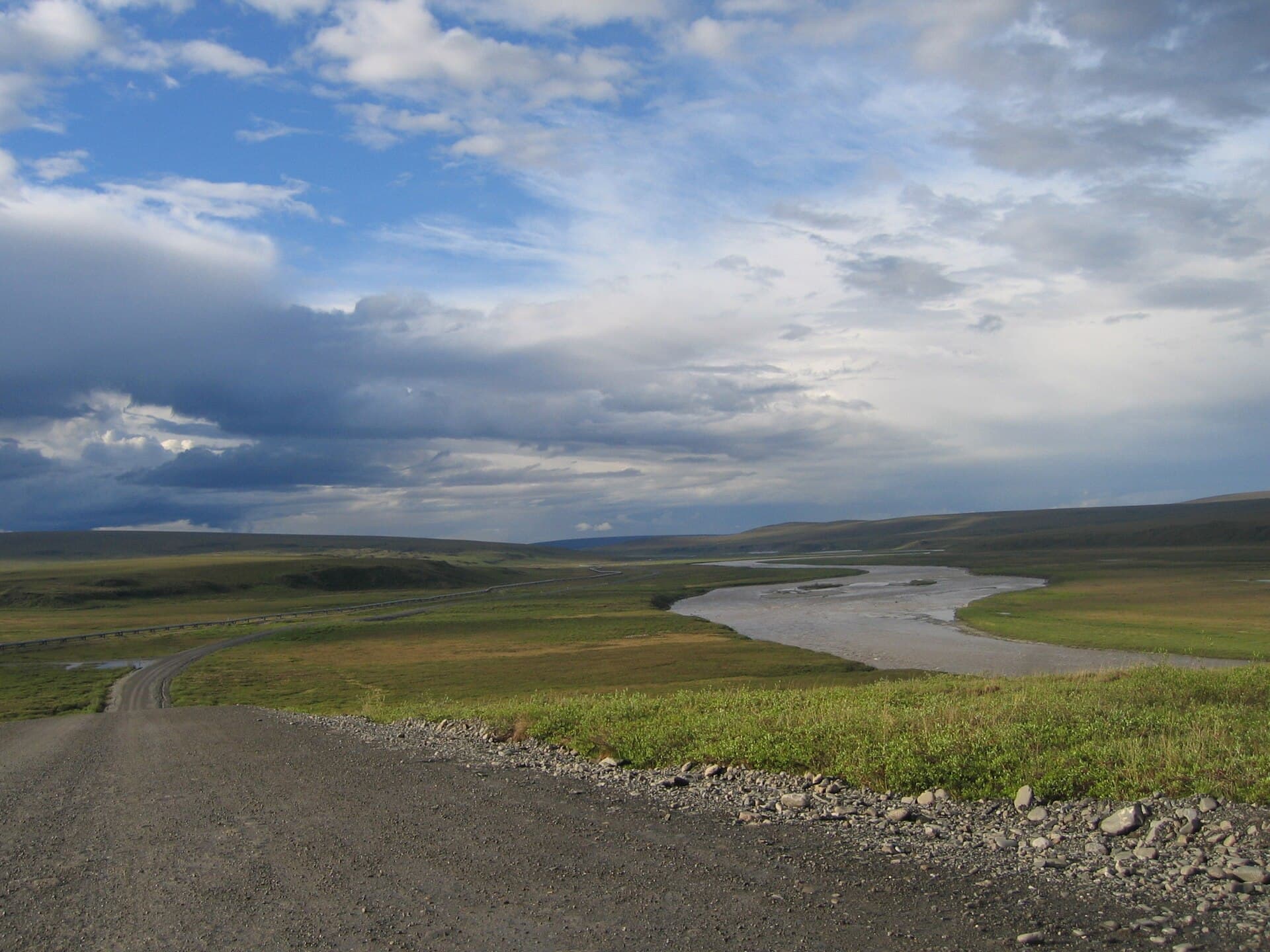
The area supports brown bears, caribou, and migratory birds. Anglers find excellent fishing in adjacent streams and lakes. Photographers capture sweeping tundra, volcanic cones, and coastal plains that stretch toward Bristol Bay.
Nearby Destinations
Combine a visit with Katmai National Park for bear viewing at Brooks Falls or Becharof National Wildlife Refuge for additional hiking and paddling opportunities. These protected lands share the same wild character and can extend a multi-week wilderness itinerary.