Skip to content
Plan & Tour
DestinationsItinerariesTravel BlogAboutContact
0Sign inPlan a trip
Plan & TourPlan & Tour

Travel guides, destination inspiration and curated itineraries for Canada, the USA and beyond, plus a free tool to plan your own day-by-day trip.

Get travel inspiration

Explore

  • All Destinations
  • Curated Itineraries
  • Travel Blog
  • Plan a Trip

Topics

  • Hiking & Nature
  • Food & Drink
  • City Breaks
  • Budget Travel

Company

  • About Us
  • Contact
  • Privacy Policy
  • Terms of Service

© 2026 Plan & Tour. Built for travellers.

Discover the world, one trip at a time.

Basilica of San Francisco: La Paz’s Colonial Heart in the Andes
  1. Home
  2. Destinations
  3. La Paz
  4. Basilica of San Francisco: La Paz’s Colonial Heart in the Andes
Church

Basilica of San Francisco: La Paz’s Colonial Heart in the Andes

Step into centuries of history at this ornate 16th-century church anchoring La Paz's vibrant old town.

La PazUpdated 12 October 2026

Why Visit the Basilica of San Francisco

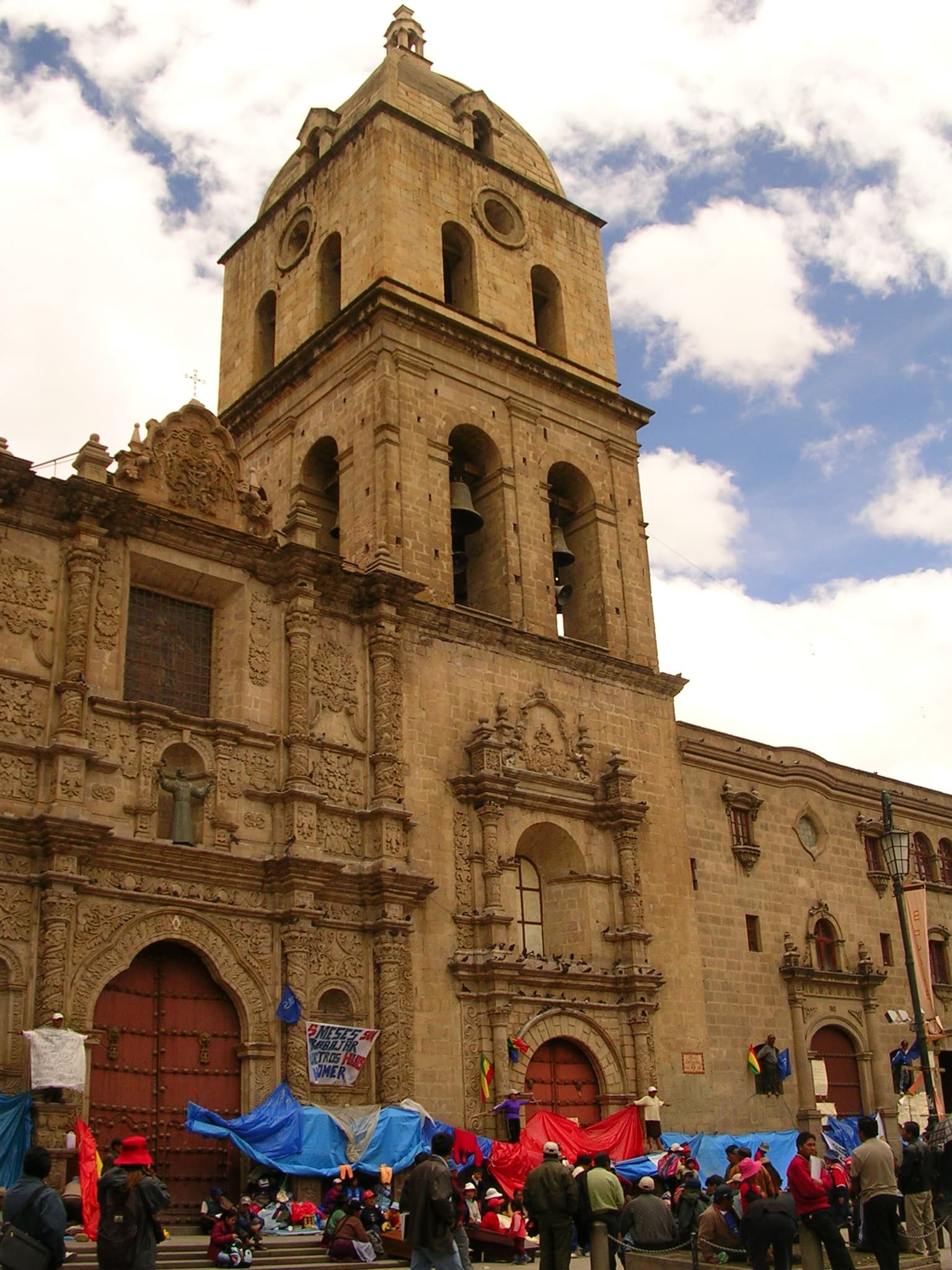
The Basilica of San Francisco stands as one of La Paz’s most significant colonial landmarks, built starting in 1548 and completed over decades with later expansions. Its location in the historic center makes it a natural starting point for exploring the city’s layered past, from Spanish conquest through independence. Visitors come for the blend of European baroque elements with local Andean influences visible in carvings and details, offering insight into Bolivia’s cultural fusion.

Architectural Highlights

The Facade and Bell Towers

The exterior features a richly carved stone portal with saints, angels, and indigenous motifs. Twin bell towers rise above the plaza, framing views toward the surrounding mountains. The stonework shows wear from centuries of high-altitude weather yet remains remarkably intact.

Interior Spaces

Inside, the main nave leads to multiple side chapels and a grand main altar covered in gold leaf. Wooden retablos display religious figures alongside local saints. The ceiling and walls hold paintings and sculptures that reflect both Catholic traditions and regional artistic styles developed in the colonial workshops of the Andes.

Getting There

The basilica sits in central La Paz near the main government buildings and pedestrian streets. Most travelers reach it on foot from nearby hotels or by taking the Mi Teleférico cable car system to a central station and walking a few blocks downhill. Public minibuses and taxis also serve the area, though walking allows stops at surrounding plazas and markets.

Best Time to Visit

The dry season from May to September offers the clearest skies and most comfortable temperatures for walking the steep streets of La Paz. Mornings tend to be quieter before tour groups arrive. Rainy season visits remain possible but expect brief afternoon showers and cooler evenings.

Nearby Attractions

Just steps away lies Plaza Murillo with its presidential palace and cathedral. The Mercado de las Brujas, or Witches’ Market, sits a short uphill walk and offers traditional herbs, textiles, and crafts. Further exploration leads to the San Pedro prison area or the cable car lines that provide panoramic city views. Combining the basilica with these sites creates a full day focused on La Paz’s cultural core.

Visitor tips

  • Dress modestly with covered shoulders and knees out of respect for the active place of worship.
  • Combine your visit with a walk through the surrounding pedestrian streets to experience daily life in the historic quarter.
  • Carry water and pace yourself, as La Paz sits at high altitude and the surrounding streets are steep.

Frequently asked questions

How long should I plan to spend at the basilica?+

Most visitors spend 30 to 60 minutes inside, allowing time to view the main altar, chapels, and exterior details before moving on.

Is photography allowed inside the basilica?+

Photography is generally permitted without flash in the main areas, but always check for posted signs and avoid disrupting services.

Can I attend a mass or religious service?+

Regular masses take place; schedules are posted at the entrance. Visitors are welcome to observe quietly when services are not in progress.

Are there restrooms or facilities nearby?+

Public facilities are limited inside the basilica; nearby cafes and plazas in the historic center provide options.

Is the basilica accessible for visitors with mobility needs?+

The main level is largely flat once inside, but the surrounding steep streets and steps may present challenges; consider arriving by taxi.

Share
Google Maps Apple Maps Directions

Visitor info

Official website

Contact info via Wikidata

Image: Elemaki · CC BY 3.0 · via Wikimedia Commons

Keep reading

Nearby & related

All stories
Choqueyapu River: La Paz’s Urban Artery Through the Andes
La Paz

Choqueyapu River: La Paz’s Urban Artery Through the Andes

Follow the river that carved La Paz’s dramatic valley and still anchors daily life in the Bolivian capital.

12 October 2026
Parinacota: Scaling Bolivia’s Perfect Andean Volcano
La Paz

Parinacota: Scaling Bolivia’s Perfect Andean Volcano

Explore the striking symmetry of Parinacota, an accessible high-altitude climb offering sweeping views across the…

11 October 2026